




What red flags or green lights quickly identify an indie gem from a dud?

The independent gaming scene is a vibrant, innovative landscape, brimming with creativity and unique visions. However, for every breakout hit or beloved cult classic, there are countless titles that fail to deliver, leaving players with buyer’s remorse. Discerning the difference between a hidden gem and an outright dud can be challenging, but certain red flags and green lights often emerge early on, guiding savvy players to better choices.
The Quest for Indie Gold: Understanding the Landscape
Indie games offer a refreshing alternative to mainstream AAA titles, often pushing boundaries with innovative mechanics, compelling narratives, or distinctive art styles. Yet, the very freedom that fosters such creativity can also lead to unfinished projects, ambitious failures, or simply unpolished experiences. Knowing what to look for can transform your indie gaming journey from a gamble into an exciting exploration of quality.

Spotting the Red Flags: What Signals a Dud?
While every game deserves a chance, some indicators strongly suggest a title might not live up to expectations:
Generic Art and Asset Flips
One of the most immediate visual red flags is a lack of distinct artistic identity. If a game heavily relies on generic store-bought assets without a unique creative twist, it can signal a lack of artistic direction or, worse, a rushed development process. While asset use isn’t inherently bad, it needs to be integrated thoughtfully.
Unpolished Gameplay and Poor UI/UX
Clunky controls, confusing user interfaces, and a general lack of polish in core gameplay are significant deterrents. Even in early access or beta stages, fundamental mechanics should feel responsive and intuitive. Frequent bugs, crashes, or a completely unintuitive menu system are strong indicators of underlying issues.

Vague or Overly Ambitious Promises
Be wary of developers promising the moon without demonstrating concrete progress or a clear development roadmap. Over-ambition without the talent, resources, or realistic scope often leads to a game that never fully realizes its potential, leaving players disappointed with an incomplete or shallow experience.
Lack of Developer Engagement and Transparency
A silent development team, especially for Early Access titles, is a major red flag. If developers aren’t communicating with their community, addressing feedback, or providing regular updates, it can indicate a project losing steam, being abandoned, or simply a lack of commitment to their player base.
Shining Green Lights: Indicators of a Hidden Gem
Conversely, certain characteristics often point towards a promising and high-quality indie experience:
Unique Vision and Innovative Mechanics
A true indie gem often brings a fresh perspective to established genres or introduces entirely new mechanics. Games that clearly demonstrate a singular, compelling vision and aren’t afraid to experiment with gameplay or narrative are strong candidates for greatness.
Polished Presentation (Even if Simple)
A game doesn’t need cutting-edge graphics to be a gem. What matters is a cohesive and deliberate art direction, attention to detail in sound design, and a generally polished feel even with simpler visuals. This shows care and craftsmanship, regardless of budget.
Clear Communication and Passionate Developers
Active developers who genuinely engage with their community, respond to feedback, and share their passion for the project are a huge green light. Transparency about development challenges and successes fosters trust and indicates a team committed to delivering the best possible game.
Strong Early Community Buzz and Demos
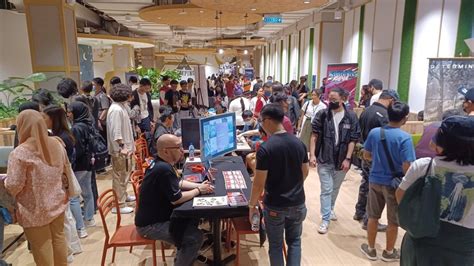
Positive word-of-mouth, impressive gameplay demos, or successful betas are excellent indicators. When a small but vocal community expresses genuine excitement and positive impressions about a game’s potential, it’s often a sign that the developers are on the right track.
Focus on a Core, Refined Experience
Many successful indie games don’t try to be everything to everyone. Instead, they focus on perfecting a core gameplay loop or narrative experience, delivering depth and polish within a well-defined scope. This often results in a more satisfying and memorable game than one that spreads itself too thin.

The Art of Informed Discovery
While no method is foolproof, combining a critical eye for red flags with an appreciation for green lights significantly improves your chances of unearthing indie gold. Pay attention to developer history, community sentiment, demo quality, and the overall polish of a game’s presentation. By doing so, you not only save yourself from potential duds but also champion the innovative spirit that makes the indie gaming scene so special.