



What F2P gacha red flags expose poor value or manipulative monetization?
Free-to-play (F2P) gacha games have become a dominant force in mobile and even PC gaming, offering compelling gameplay loops and ever-evolving content without an initial price tag. However, beneath the surface of free access often lies a complex monetization strategy designed to encourage spending. While many F2P titles offer fair value and enjoyable experiences, others employ manipulative tactics that can quickly drain wallets and diminish player enjoyment. Recognizing these “red flags” is crucial for players to make informed decisions and protect themselves from predatory practices.
Abysmal Gacha Rates and Predatory Pity Systems
One of the most immediate indicators of poor value in a gacha game is extremely low drop rates for desirable items or characters, especially when combined with a stingy “pity” system. A true red flag emerges when the chance of obtaining a top-tier unit is below 1% and the guaranteed pity counter requires an exorbitant number of pulls—sometimes hundreds—making it practically unattainable for casual players without significant investment. Games that offer “soft pity” or a reasonable “spark” system (allowing players to choose a character after a certain number of pulls) generally provide a fairer experience. Without these, you’re often gambling against impossible odds.

Relentless Power Creep and Rapid Obsolescence
Power creep is an inherent part of many live service games, but in manipulative gacha titles, it’s turbo-charged. New characters or items are introduced at an accelerated pace, often making previously top-tier units obsolete within a few months. This constant devaluation forces players to continuously invest in new banners to stay competitive or experience the latest content, turning what should be a fun progression into a treadmill of necessary spending. A healthy gacha game balances new content with the longevity of existing units, perhaps through re-runs or niche utility, rather than simply replacing them.
Aggressive Time-Gated Events and Energy Systems
Many gacha games use time-limited events to drive engagement, but some weaponize them to push spending. Red flags include events that are mathematically impossible to complete without purchasing energy refills or specific limited-time characters, or those that offer exclusive, powerful rewards locked behind extreme grind walls. Similarly, overly restrictive energy or stamina systems that severely limit playtime unless players pay for refills are designed to frustrate players into spending. A game that respects your time and offers ample natural regeneration or free refills is generally more player-friendly.
Fragmented Character Progression and Duplicate Requirements
While many gacha games require multiple copies of a character or item to unlock its full potential (e.g., “constellations,” “ascensions,” “limit breaks”), a red flag appears when these systems are excessively punitive. If a character feels incomplete or significantly underpowered without multiple duplicates—especially if those duplicates are as rare as the initial character—it’s a clear sign of manipulative monetization. This design forces players to pull for the same rare unit multiple times, exponentially increasing the cost to max out a single character.
Deceptive “Value” Bundles and “Limited-Time Offers”
Keep a sharp eye on in-game shop bundles. Manipulative games often present “limited-time offers” or “massive discounts” that are still astronomically expensive or offer very little actual value for their price. The perceived discount might be based on an artificially inflated “original price” of the individual components. True value bundles offer a significant amount of premium currency or highly sought-after items at a genuinely reasonable price point, rather than just repackaging existing, overpriced items.
Stingy Free Premium Currency and Rewards
A generous F2P gacha game provides a steady stream of free premium currency through daily logins, quests, events, and story progression. This allows F2P players to accumulate enough resources to occasionally pull on banners they desire, feeling rewarded for their time. A red flag is a game that offers almost no free premium currency outside of initial story completion, making it nearly impossible to summon without opening your wallet. This scarcity is designed to funnel players towards paid options, stifling organic progression and enjoyment.
Predatory PvP and Leaderboard Pressure
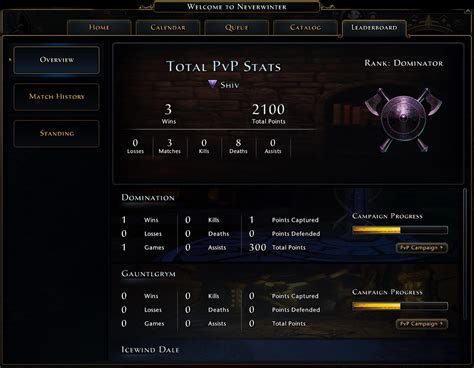
Competitive player-versus-player (PvP) modes or leaderboards can be fun, but in manipulative gacha games, they become a high-pressure environment for spending. If staying competitive in PvP or achieving high ranks on leaderboards consistently requires having the absolute newest, rarest, and maxed-out characters, it’s a clear red flag. This pressure often targets players’ desire to win or be recognized, pushing them into a constant cycle of spending to keep up with the “whales” at the top.
Lack of Communication and Unfair Changes
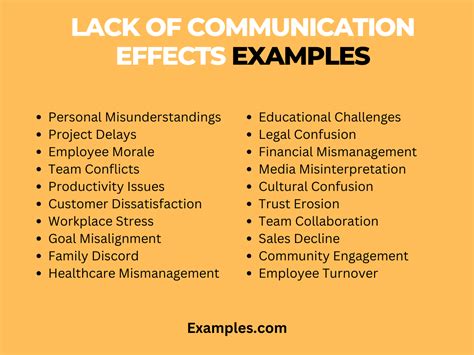
While not directly about monetization, a lack of transparency from developers, sudden nerfs to characters without compensation, or unannounced changes to gacha rates are huge red flags. These indicate a disrespect for the player base and a prioritization of short-term revenue over long-term player trust and game health. Healthy F2P games communicate openly, listen to feedback, and handle changes with care and fairness.
Conclusion: Play Smart, Spend Wisely
Navigating the world of F2P gacha games requires vigilance. By recognizing these common red flags—from abysmal pull rates and relentless power creep to deceptive bundles and predatory PvP—players can better assess a game’s true value proposition. Choose games that respect your time and wallet, offer clear progression paths, and provide a genuinely enjoyable experience without constant pressure to spend. Your gaming experience should be fun, not a financial burden.