


How do we structure beginner guides for diverse game genres to maximize player engagement and learning?

The Imperative of Effective Beginner Guides
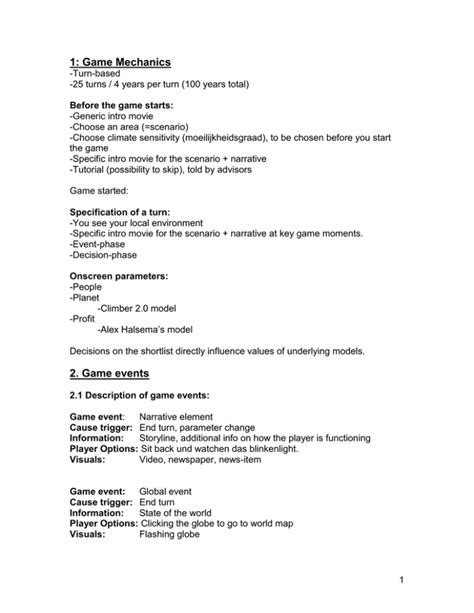
The first few hours with a new game are crucial. For many players, this initial experience determines whether they’ll invest dozens, if not hundreds, of hours, or simply move on. A well-structured beginner guide isn’t just a tutorial; it’s the player’s welcoming committee, their essential toolkit, and their first step into a new world. But how do developers and guide creators tailor these experiences for the vast landscape of game genres, ensuring maximum engagement and genuine learning?

Understanding Your Audience and Genre Fundamentals
Before designing any guide, it’s vital to understand who the player is and what core elements define the genre. Are they completely new to gaming, or just new to this specific genre? A seasoned RPG player might quickly grasp inventory systems, but struggle with the high-octane twitch mechanics of an FPS. Similarly, an RTS veteran understands resource management but might be lost in the intricate lore of an adventure game.
Each genre comes with its own set of expectations and foundational concepts. An RTS demands early understanding of economy and unit counters, while an RPG requires familiarity with character progression and narrative context. Identifying these core mechanics and differentiating them from advanced concepts is the first step towards a targeted, effective guide.
Core Principles for Engaging and Educational Guides
Regardless of the genre, several universal principles underpin successful beginner guides:
- Gradual Revelation: Avoid information overload. Introduce concepts one at a time, building complexity progressively.
- Hands-on Learning: Players learn best by doing. Provide practical scenarios where they can immediately apply newly learned skills.
- Visual Aids & UI Clarity: Use clear indicators, highlighted UI elements, and concise text. Visuals often communicate faster than words.
- Pacing & Chunking: Break down information into bite-sized, digestible chunks. Allow players to progress at their own pace, offering opportunities for practice or repetition.
- Contextual Relevance: Explain why a mechanic is important, not just how to use it. Connect actions to their in-game consequences.
Tailoring Guides to Diverse Game Genres
While core principles apply, adaptation is key. Here’s how genres might necessitate different guide structures:
Role-Playing Games (RPGs)
RPGs often overwhelm new players with character creation, extensive lore, inventory management, and complex skill trees. Guides should:
- Integrate learning into the narrative, making tutorials feel like quests.
- Focus on the most impactful early-game choices, deferring deeper customization.
- Introduce inventory, quest logs, and map systems contextually as they become relevant.
Real-Time Strategy (RTS) Games
RTS games demand quick decision-making, resource management, and unit control. Beginner guides should:
- Teach fundamental build orders and resource gathering in isolated scenarios.
- Introduce unit types and their counters through controlled skirmishes.
- Emphasize hotkeys and camera control for efficient play.
First-Person Shooters (FPS)
FPS titles require precise mechanics and rapid situational awareness. Guides for these games should:
- Prioritize basic movement, aiming, and shooting mechanics.
- Introduce weapon types and their effective ranges through target practice.
- Familiarize players with map layouts and common objective points in a low-pressure environment.
Puzzle/Adventure Games
These genres thrive on discovery and problem-solving. Guides must be subtle:
- Introduce interaction mechanics (e.g., using items on objects) without giving away puzzle solutions.
- Provide gentle nudges or hint systems rather than direct answers.
- Focus on environmental observation and logical deduction as core skills.
Maximizing Engagement and Long-Term Retention
Beyond the initial learning curve, guides can foster long-term engagement:
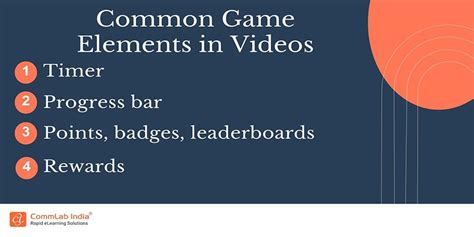
- Gamify Learning: Award achievements or in-game bonuses for completing tutorial sections.
- Optionality: Allow experienced players to skip or fast-forward through familiar mechanics. Provide an in-game encyclopedia or ‘help’ section for revisiting concepts.
- Feedback Loops: Provide clear, immediate feedback on player actions, reinforcing correct behaviors and correcting mistakes.
- Community Integration: Encourage new players to join game communities for continued learning and support, perhaps through in-game links.
Conclusion: The Art of Guiding New Players
Crafting effective beginner guides for diverse game genres is an art form that balances pedagogical principles with genre-specific nuances. By understanding the player, adhering to core learning principles, adapting to genre demands, and focusing on sustained engagement, developers can transform the daunting first hours into an empowering and enjoyable journey. A well-designed guide not only teaches players how to play but ignites their passion for the game, ensuring they return to explore all it has to offer.