




Managing screen time limits for kids without game-related arguments?

Navigating the Digital Playground with Harmony
For many parents, the phrase “screen time” often feels synonymous with “argument starter.” In an age where digital games are incredibly immersive and captivating, setting limits for children can quickly escalate into power struggles and frustrating negotiations. The good news is that it doesn’t have to be this way. By shifting our approach from a confrontational battle to a collaborative strategy, parents can effectively manage screen time, especially game-related usage, while fostering understanding and cooperation.
Understanding the Tug-of-War: Why Kids Resist
Before we can manage screen time, we need to understand why kids resist limits so vehemently. Games offer instant gratification, a sense of achievement, social connection, and an escape. When parents demand they stop, it often feels like an interruption to something deeply engaging and important to them. This isn’t just defiance; it’s a genuine struggle to disengage from a highly stimulating environment.
Collaborative Rule-Setting: Your First Defense
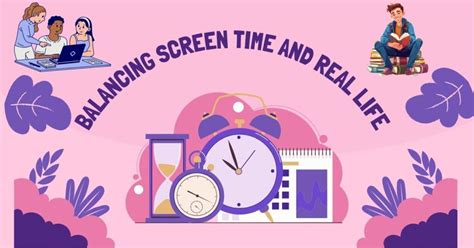
The most powerful tool against arguments is involving your children in the rule-making process. Sit down together during a calm moment, not during a gaming session. Discuss the importance of balance, eye health, physical activity, and sleep. Explain that screen time isn’t a punishment but a resource that needs to be managed for everyone’s well-being. Let them contribute ideas for limits and consequences.
When children have a say in creating the rules, they are far more likely to take ownership of them. This transforms the dynamic from parents dictating to a family working together towards a common goal.
The “Screen Time Budget” Approach
Instead of simply setting a hard stop, consider a “screen time budget.” This could mean a certain number of hours per day or week that your child can allocate as they see fit (within agreed-upon parameters). This teaches time management and self-regulation. For instance, they might choose to use more time on a weekend afternoon for a longer gaming session, knowing it means less time on a weekday.

Power of Alternatives and Positive Reinforcement
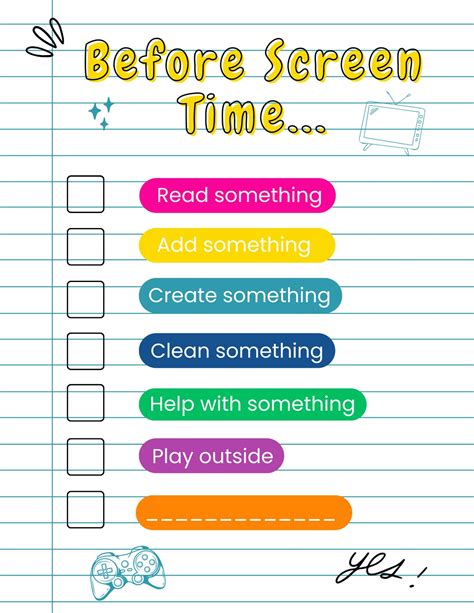
Kids will naturally gravitate towards screens if there are no compelling alternatives. Ensure there are plenty of enticing non-screen activities available: art supplies, building blocks, outdoor play equipment, books, board games, or simply spending time together. Make these activities appealing and accessible. When your child chooses a non-screen activity or transitions smoothly from screen time, offer genuine praise and positive reinforcement.

Smooth Transitions: Ending Play Without a Fight
The Art of the Warning
No one likes to be abruptly cut off. Give your child clear, actionable warnings: “You have 15 minutes left,” then “10 minutes,” and finally “5 minutes.” This gives them time to reach a natural stopping point, save their game, or mentally prepare for the transition.
Respecting Game Flow
Many games have natural stopping points, like completing a level, saving progress, or finishing a quest. Learn to understand these. Instead of saying “Stop now!” say, “Can you find a good place to save your game in the next 5 minutes?” This shows respect for their activity and can significantly reduce friction.

Building a Lasting Digital Culture
Model Mindful Use
Children are keen observers. If parents are constantly glued to their phones or laptops, setting screen time limits for kids can feel hypocritical. Model balanced screen usage yourself. Have device-free dinners, designate tech-free zones, and engage in family activities that don’t involve screens.
Focus on Quality, Not Just Quantity
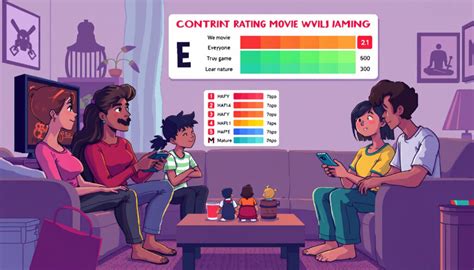
Beyond how much time they spend, consider what they’re doing. Discuss the games they play. Understand their appeal, talk about the stories, challenges, and social aspects. Engaging with their digital world shows you care and can open doors for discussions about appropriate content and healthy gaming habits.
Regular Family Tech Talks
As children grow, their needs and interests change. What worked for a 7-year-old might not work for a 12-year-old. Schedule regular family meetings to revisit screen time rules, discuss challenges, and make adjustments. This ongoing dialogue ensures the rules remain relevant and fair.

Towards a Harmonious Digital Home
Managing screen time limits for kids without game-related arguments is an ongoing process, not a one-time fix. It requires patience, consistency, empathy, and open communication. By involving your children, setting clear expectations, offering alternatives, and respecting their digital experiences, you can transform a common source of conflict into an opportunity to teach valuable life skills in self-regulation, time management, and responsible digital citizenship. The goal is not to eliminate screens but to integrate them healthily and harmoniously into family life.