

What crucial game beginner guide tip prevents new players quitting early?

The journey of a new player into any game is a delicate balance. Developers spend countless hours crafting intricate worlds, compelling narratives, and engaging mechanics, yet many players never get past the first few hours. The question isn’t just how to teach new players, but what specific approach prevents them from hitting the uninstall button prematurely. The most crucial game beginner guide tip isn’t about a specific mechanic or strategy, but rather the holistic management of the early learning curve and the immediate reward system.
The Silent Killers: Why New Players Abandon Games Early
Many factors contribute to player churn, but for beginners, two stand out: information overload and a lack of early, meaningful progression. When a game dumps a massive tutorial on a new player, explaining every nuanced system at once, it becomes a chore rather than an invitation. Players feel overwhelmed, unable to distinguish essential information from optional details, leading to a sense of incompetence and frustration.
Information Overload & Unclear Objectives
Imagine stepping into a complex simulator or an expansive open-world RPG with dozens of UI elements, skill trees, and crafting systems presented all at once. Without clear guidance on what truly matters now, new players often feel lost. They don’t know what their immediate goal should be, what actions are important, or how to even begin making progress. This initial confusion quickly sours the experience.
The Absence of Early Wins
Humans are motivated by progress and reward. If a new player spends an hour in a game struggling, constantly failing, or feeling like they’re just spinning their wheels, their motivation plummets. Games that are too punishing too early, or that make early achievements feel insignificant, fail to hook players. The sense of accomplishment, even from small victories, is vital for building initial engagement.
The Crucial Tip: Masterful Onboarding Through Managed Learning
The single most effective strategy to prevent early player abandonment is to design an onboarding experience that is not merely a tutorial, but a carefully managed journey of gradual discovery and consistent positive reinforcement. This means making the initial hours feel achievable, rewarding, and just challenging enough to be engaging without being frustrating.
Gradual Introduction and Iterative Learning
Instead of a monolithic tutorial, successful games introduce mechanics iteratively. They present one core concept, allow the player to practice and internalize it, and then build upon that foundation with the next concept. This might involve a series of guided quests, mini-challenges, or context-sensitive tooltips that appear only when relevant. The goal is to provide information “just in time,” not “just in case.”
Celebrating Early Successes
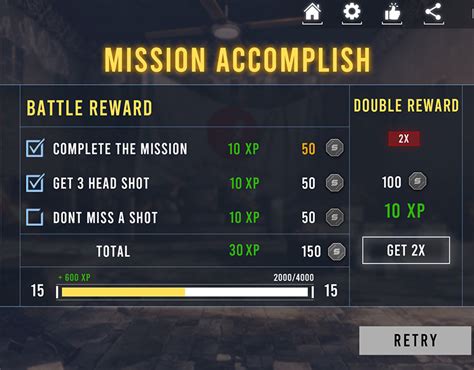
From the very first moments, new players need to feel a sense of progression and accomplishment. This could be as simple as defeating a first enemy, completing a basic quest, unlocking a new area, or earning a small reward. These early wins serve as positive reinforcement, validating the player’s efforts and encouraging them to continue exploring what the game has to offer. Make them feel powerful, even if temporarily, and show them the potential for growth.

Implementing Effective Onboarding Strategies
To put this crucial tip into practice, developers and game designers should focus on several key areas:
- Contextualized Learning: Avoid long text blocks. Instead, use interactive prompts, visual cues, and short, impactful explanations that appear only when a new mechanic is introduced or needed.
- “Show, Don’t Tell” Design: Allow players to do rather than just read or watch. Guide them through actions that teach the core loop by example.
- Early Success Scaffolding: Design the very first levels or missions to be forgiving, offering clear objectives and guaranteed, visible rewards. Consider “training wheels” mechanics that gradually fade away.
- Clear Path to Progression: Even if the game is ultimately open-world, the initial hours should offer a clear, linear path that demonstrates how to advance, what to strive for, and how the various systems interconnect.
- Optional Deep Dives: Offer advanced tips, lore, or complex system explanations in an optional, easily accessible menu or codex, rather than forcing them on new players.
- Social Bridges (if applicable): For multiplayer games, facilitate early, positive social interactions or provide clear paths to join communities, as social connection is a huge retention factor.
The Long-Term Benefits of Thoughtful Onboarding
A well-executed onboarding experience does more than just prevent early quitting; it lays a solid foundation for long-term player engagement. Players who feel competent and supported from the start are more likely to invest time, effort, and even money into a game. They develop a positive perception of the game’s design, are more willing to tackle future challenges, and become advocates for the game within their social circles. By making the initial learning curve feel like an exciting climb rather than an insurmountable wall, games secure not just a new player, but a potentially loyal one.

Conclusion
Ultimately, the most crucial game beginner guide tip isn’t a secret trick or a hidden mechanic, but a fundamental design philosophy: prioritize and meticulously craft the initial player experience. By managing the learning curve, celebrating early successes, and providing clear, contextualized guidance, developers can transform potential frustrations into foundations of fun, ensuring new players stick around long enough to discover the deeper magic their game has to offer.