




How do you simplify complex game mechanics for new players in a beginner guide?
The Art of Onboarding: Making Complex Games Accessible
For many gamers, the thrill of a new title can quickly turn into frustration when faced with an impenetrable wall of complex mechanics. Whether it’s intricate skill trees, convoluted crafting systems, or multi-layered combat strategies, introducing new players to these depths requires a carefully crafted approach. A well-designed beginner guide isn’t just about listing features; it’s about translating complexity into comprehension, ensuring a smooth and enjoyable onboarding experience.
Know Your New Player Persona
Before you even begin to write, step into the shoes of a complete novice. What assumptions are they making? What terminology are they unfamiliar with? Your guide should anticipate these knowledge gaps. Avoid jargon whenever possible, or if it’s essential, define it clearly the first time it appears. Understand that their attention span might be limited, so prioritize the most critical information they need to start playing and having fun.

Incremental Introduction: Don’t Overwhelm
Instead of dumping all information at once, introduce mechanics gradually. Start with the absolute basics required for movement and primary interaction. Once those are established, layering in more advanced concepts becomes much easier. Think of it like building blocks: establish a solid foundation before adding intricate details. For instance, explain basic combat before introducing elemental weaknesses or specific combo timings. Each new piece of information should build upon what has already been learned.
Consider a “need-to-know” hierarchy. What does a player absolutely need to know to survive the first 30 minutes? What can wait until they’ve completed the first quest? Structure your guide to mirror this progression, perhaps with “Essential Basics” and “Diving Deeper” sections.
Clarity Through Language and Visuals
The language used in your guide must be crystal clear and unambiguous. Use short sentences, active voice, and avoid overly academic or technical phrasing. Analogies can be incredibly powerful tools for simplifying abstract concepts, comparing an unfamiliar game mechanic to something more common and relatable (e.g., “think of resource management like balancing your household budget”).
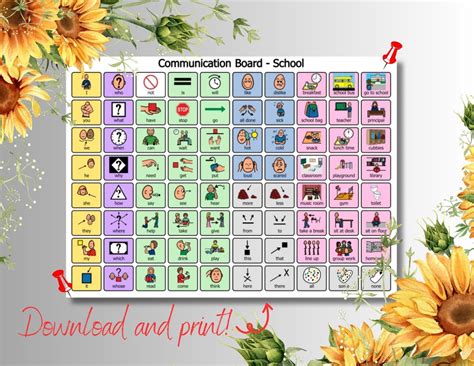
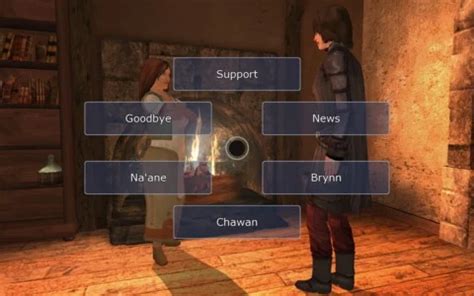
Visual aids are non-negotiable. Screenshots, diagrams, flowcharts, or even short video clips (if the guide format allows) can illustrate complex ideas far better than text alone. Highlight key UI elements, show examples of button presses, or demonstrate specific actions. A picture truly is worth a thousand words when explaining how to navigate an inventory or execute a specific maneuver.
Practical Application and Practice Opportunities
Learning by doing is paramount. Simply explaining a mechanic isn’t enough; players need to see it in action and then practice it themselves. Provide concrete examples: “To craft a simple healing potion, gather 3 X herbs and 1 Y mushroom, then open your crafting menu by pressing ‘C’ and select ‘Basic Potion’.”
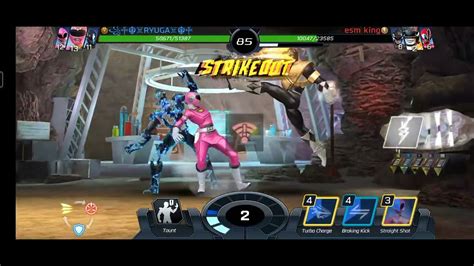
Encourage players to immediately try out new mechanics in a safe environment. If possible, design small challenges or exercises within the guide that reinforce the learned concepts. For an in-game tutorial, this might mean a controlled combat encounter after explaining attack patterns.
Leverage Progressive Unlocking and Tooltips
While a beginner guide is external, its principles can inform in-game design. For the guide itself, consider a similar approach: progressively unlock deeper mechanics. Refer to in-game tooltips and UI elements that explain functions when hovered over. Your guide can serve as a meta-resource, explaining how to use those in-game helpers effectively. Point players to specific sections of the game where they can naturally encounter and learn new systems.

Iterate and Gather Feedback
No beginner guide is perfect on its first draft. Once you’ve created a version, have actual new players (ideally those unfamiliar with the game or genre) test it. Observe where they get stuck, what questions they ask, and which parts remain unclear. Use this feedback to refine your explanations, add more examples, or restructure sections. Simplifying complexity is an ongoing process of refinement.
Conclusion
Creating an effective beginner guide for games with complex mechanics is a thoughtful endeavor that bridges the gap between a developer’s vision and a player’s understanding. By empathetically approaching the learning curve, breaking down information, utilizing clear communication and visuals, and providing practical application, you can transform daunting systems into engaging challenges. The goal is not just to teach, but to empower new players to confidently explore and enjoy the rich worlds you’ve helped them discover.