


What red flags signal predatory F2P gacha monetization to watch for?
Free-to-play (F2P) gacha games have become a dominant force in the mobile gaming landscape, offering engaging experiences with the tantalizing thrill of rare character or item pulls. While not all monetization in these games is inherently bad, some developers employ highly manipulative and predatory tactics designed to exploit player psychology and extract maximum spending. Understanding these red flags is crucial for any player looking to enjoy their games without falling into expensive traps.
The Lure of the Gacha
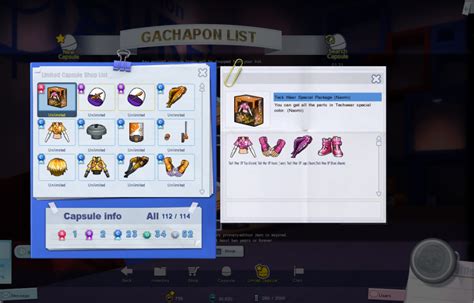
Gacha mechanics, inspired by Japanese capsule toy machines, involve spending in-game currency (often bought with real money) for a chance to receive a randomized item of varying rarity. The excitement of a ‘lucky pull’ and the desire for powerful or aesthetically pleasing content can be a strong draw. However, this system can be easily abused, transforming fun into financial strain. Here are the key red flags to watch for:
Red Flag 1: Obscured Odds and False Pity
Transparency is key in fair gacha systems. Predatory games often obscure their true drop rates or present them in a way that’s difficult for players to understand. Look out for:
- Extremely Low Base Rates: Odds for top-tier items can be laughably low (e.g., 0.1% or less) with no clear path to guarantee them.
- Misleading Rate Ups: Banners advertised as ‘rate-up’ for a specific character might still have abysmally low overall odds for any top-tier item, or spread the rate-up across multiple unwanted items.
- Weak or Non-Existent Pity Systems: A true ‘pity’ system guarantees a rare item after a set number of pulls. Predatory systems might offer ‘soft pity’ that’s still very expensive, or a ‘pity’ that resets frequently or for every different banner, forcing constant spending without real progress.
Red Flag 2: Aggressive FOMO and Scarcity Tactics
Fear Of Missing Out (FOMO) is a potent psychological tool. Predatory gacha games weaponize it through:
- Constant Limited-Time Banners: New, powerful characters or essential items are introduced for very short periods, creating immense pressure to pull immediately or miss out forever.
- Irreplaceable Event Exclusives: Unique characters, skins, or resources tied to specific events that are never re-run or are re-run only after an extremely long time.
- Urgency in Offers: Pop-up ads with countdown timers or ‘one-time only’ deals that cycle endlessly, pressuring impulse buys.
- Artificial Scarcity: Making essential upgrade materials or progression items extremely rare outside of spending, forcing players to choose between endless grinding or opening their wallets for a limited-time bundle.
Red Flag 3: Relentless Power Creep
Power creep occurs when new content (characters, weapons, items) is consistently more powerful than previous content, rendering older, previously desirable acquisitions obsolete. This is a red flag when:
- Rapid Obsolescence: Characters or items you spent heavily on become significantly weaker or less effective within weeks or months, forcing you to pull for the new, stronger alternatives to remain competitive or enjoy content.
- Mandatory New Units: New game modes or challenges are designed to be extremely difficult, practically requiring the latest meta units to clear them, thus pushing spending.
- Endless Chase for the ‘Best’: The game continuously raises the bar, creating an endless treadmill of needing to acquire the newest, most powerful units just to keep up, rather than enjoying what you already have.

Red Flag 4: Overwhelming Grind and Paywalls
Many F2P games involve grinding, but predatory titles push it to extreme, unbearable levels, creating artificial paywalls:
- Exhausting Resource Grinds: Obtaining enough experience, upgrade materials, or in-game currency through normal gameplay becomes incredibly time-consuming, making ‘energy’ refills or direct purchases seem like the only viable option.
- Time-Gated Progress: Daily limits on activities, limited entries to essential dungeons, or long upgrade timers that can only be bypassed by spending premium currency.
- ‘Convenience’ Purchases that are Necessary: Items marketed as ‘convenience’ (like auto-battle tickets or increased inventory space) become practically essential for sustained play, pushing what should be quality-of-life into mandatory spending.
Red Flag 5: Confusing Currencies and Bundles
A common tactic to obscure the real value of purchases is to introduce a multitude of currencies and complex bundle structures:
- Multiple Premium Currencies: Games use several types of premium currency, often acquired at different rates or for different purposes, making it hard to track what you’re actually spending in real money.
- Non-Linear Pricing: Purchasing larger bundles of premium currency doesn’t always offer a better value per unit, or the ‘bonus’ currency doesn’t align with the cost of desired items, leading to leftover currency and encouraging more purchases.
- ‘Whale’ Traps: Extremely expensive, limited-time bundles designed with disproportionately good value compared to standard purchases, tempting high-spending players to dump large sums quickly.
- Gambling-like Loot Boxes: Beyond gacha pulls, additional layers of randomization where you purchase a ‘box’ that contains a random assortment of items, rather than a specific one.
Protecting Yourself
While developers need to monetize their games, a truly enjoyable F2P experience finds a balance. If you notice several of these red flags, it’s a strong indicator of a predatory monetization model. As a player, you can protect yourself by:
- Researching Reviews: Check player reviews and community discussions regarding monetization practices before investing time or money.
- Setting Budgets: Decide on a strict spending limit, or commit to being completely F2P.
- Understanding Odds: Always check the actual drop rates and pity systems.
- Avoiding Impulse Buys: Give yourself time before making a purchase, especially on ‘limited-time’ offers.
By staying informed and recognizing these warning signs, you can enjoy the best aspects of gacha gaming without falling victim to manipulative financial traps.