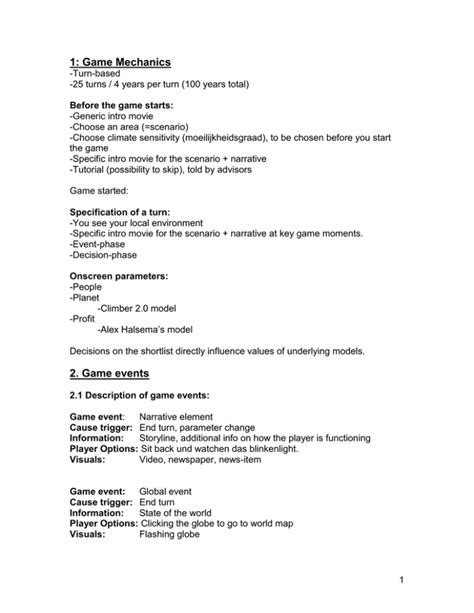





How to simplify complex game mechanics in beginner guides without losing depth?
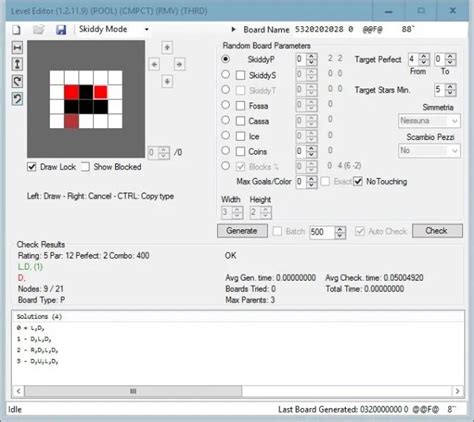
When crafting beginner guides for video games, one of the most formidable challenges is explaining intricate game mechanics without overwhelming new players or, conversely, oversimplifying them to the point of losing their essential depth. A well-designed guide not only introduces concepts but also fosters a true understanding that empowers players to engage fully with the game. This article will explore practical strategies to achieve this delicate balance.
Start with the ‘Why’ and ‘What,’ Then the ‘How’
Before diving into the intricate steps of how a mechanic works, explain its purpose and impact. Why is this mechanic important? What benefit does it provide the player? For instance, instead of immediately detailing button inputs for a special move, first explain why that move is powerful (e.g., ‘This spell deals massive area damage, ideal for clearing groups of enemies’) and what it achieves (e.g., ‘It’s your primary crowd-control ability’). Once the player understands its utility, they’ll be more motivated and receptive to learning the ‘how.’
Layered Explanations: Progressive Disclosure
Complex mechanics are rarely monolithic; they often consist of several interlocking systems. Introduce these layers gradually. Start with the most fundamental concept, ensuring it’s fully grasped before adding the next layer of complexity. This method, often called progressive disclosure, prevents information overload. For example, when explaining a crafting system, begin with basic resource gathering and item creation, then introduce advanced recipes, modifiers, or enchantments in subsequent sections.
Use Analogies and Real-World Comparisons
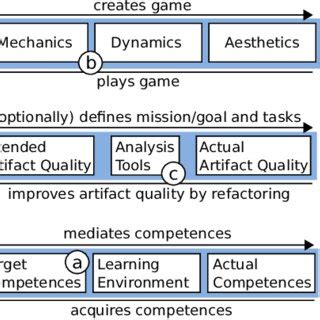
Abstract game concepts can become much more accessible when likened to familiar real-world scenarios. A ‘mana’ bar might be described as ‘your character’s battery’ for spells, or ‘aggro’ in an MMO could be explained as ‘the enemy’s attention, like a bull charging the reddest cape.’ These analogies provide an immediate mental hook, allowing players to build an intuitive understanding before grappling with the game-specific terminology.
Visual Aids and Concrete Examples are Key
Text alone can be insufficient for explaining dynamic or spatial mechanics. Incorporate screenshots, diagrams, and brief, descriptive scenarios. Show, don’t just tell. If explaining a stealth mechanic, provide an image showing a character in cover with enemy vision cones illustrated. For a combat combo, list the inputs and then describe the resulting animation and effect. Concrete examples demonstrating the mechanic in action within the game’s context solidify understanding.
Break Down Complexity into Manageable Chunks
Avoid lengthy paragraphs that attempt to explain every facet of a mechanic at once. Instead, break down information into smaller, digestible sections using headings, subheadings, bullet points, and numbered lists. Each chunk should focus on a single aspect or a closely related set of information. This structural clarity helps players process information incrementally and makes it easier for them to revisit specific points.
Encourage Practice and Reinforcement
Understanding a mechanic intellectually is one thing; executing it effectively in-game is another. Encourage players to pause and practice new mechanics as they learn them. Suggest specific in-game scenarios or even a dedicated ‘training’ section within the guide. Reinforce key takeaways by summarizing the benefits or common uses of a mechanic after its detailed explanation.
Focus on Core Utility, Not Edge Cases (Initially)
For beginners, the most important information is what allows them to play effectively and enjoyably. Focus on the primary function and most common applications of a mechanic. Advanced nuances, obscure interactions, or highly situational edge cases can be reserved for ‘advanced tips’ sections or even separate, more in-depth guides. Overloading new players with every possible scenario can lead to paralysis by analysis.

Conclusion
Simplifying complex game mechanics in beginner guides without sacrificing depth is an art form. It requires empathy for the new player’s perspective, a structured approach to information delivery, and a creative use of communication tools. By focusing on the ‘why,’ layering explanations, utilizing analogies, providing strong visual and practical examples, chunking information, and encouraging practice, guide writers can empower new players to confidently engage with even the most intricate game worlds and mechanics, ensuring a rich and rewarding gaming experience from the very start.