



Identify F2P-friendly gacha: What signs show a game isn’t pay-to-win?

Navigating the Gacha Landscape as a Free-to-Play Player
The allure of gacha games is undeniable: exciting character summons, strategic team building, and a constant stream of new content. However, this appeal often comes with the lurking fear of a “pay-to-win” (P2W) trap, where progression becomes a slow, frustrating crawl unless you open your wallet. For players committed to a free-to-play (F2P) experience, identifying truly F2P-friendly gacha games is paramount. It’s about finding titles where skill, strategy, and consistent effort can genuinely compete with or even surpass those who spend. But what signs should you look for?
Generous Gacha Rates and Robust Pity Systems
One of the first indicators of an F2P-friendly game lies within its summoning mechanics. A truly player-friendly gacha game will feature transparent and reasonably generous gacha rates. Developers should clearly display the odds for pulling rare characters or items. Beyond raw percentages, look for robust “pity” systems. A pity system guarantees a rare pull after a certain number of failed attempts, preventing endless unlucky streaks. Soft pity (increased rates after a certain point) and hard pity (guaranteed pull at a set number) are crucial. Furthermore, check if pity carries over between banners or is unit-specific, as carry-over pity significantly benefits F2P players saving for specific units.
Obtainable Premium Currency Through Gameplay
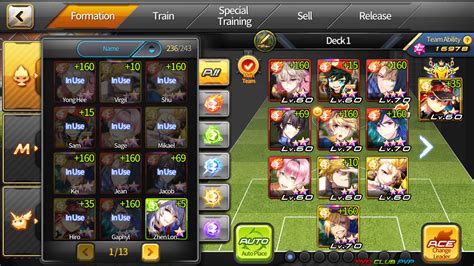
Premium currency—the stuff typically bought with real money—should also be consistently obtainable through gameplay. An F2P-friendly game empowers players to earn a substantial amount of its premium currency by simply playing. This includes rewards from daily and weekly quests, story progression, event participation, achievements, and sometimes even login bonuses or maintenance compensation. If the only reliable way to get enough premium currency for pulls is to buy it, that’s a red flag. The ability to save up for desired characters over time, without spending, is a hallmark of a fair system.

Viable Free-to-Play Units and Strategies
A game’s design philosophy shines through its character roster. In a truly F2P-friendly title, starter characters or easily obtainable lower-rarity units remain viable throughout the game’s progression, often capable of tackling end-game content when properly invested in. This means the game rewards strategic team building, character synergy, and player skill over raw, high-rarity stats. If every new piece of content essentially demands the latest banner character to clear comfortably, it’s leaning P2W. Look for communities that celebrate F2P builds and offer guides for clearing challenging content with accessible units.
Non-Mandatory or Balanced Competitive Modes
Competitive player-vs-player (PvP) modes are often where P2W dynamics become most apparent. An F2P-friendly gacha game will either make PvP entirely optional with cosmetic-only rewards, or design its competitive systems to be skill-based rather than purely gear/unit-gated. If progression, essential resources, or major character upgrades are locked behind high ranks in intense PvP modes, it creates immense pressure to spend. Games that focus predominantly on cooperative or engaging single-player content with accessible progression paths tend to be more F2P-friendly.

Consistent and Rewarding Events for All Players
Regular events are the lifeblood of many gacha games, and how they’re designed speaks volumes. F2P-friendly games offer frequent, substantial events that reward all participating players with valuable resources, unique characters, or useful equipment, regardless of how much they spend. The difficulty curve of these events should be reasonable, allowing F2P players to clear most, if not all, content with dedication. Watch out for events that heavily favor whales with specific new banner units, making it nearly impossible for F2P players to complete or gain significant rewards.
Transparency and Ethical Monetization
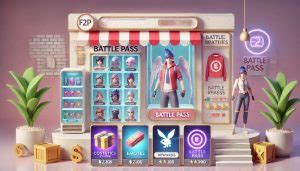
Finally, observe the game’s overall monetization strategy. F2P-friendly games tend to be transparent about their pricing, offer clear value in their bundles, and primarily monetize through cosmetics or quality-of-life improvements rather than direct power. Battle passes can be a good sign if they offer solid value without being mandatory for core progression. Avoid games with aggressive pop-up ads, endless limited-time offers that feel essential, or hidden mechanics designed to extract more money.
Conclusion
Identifying an F2P-friendly gacha game requires careful observation and a critical eye. By scrutinizing gacha rates, premium currency availability, unit viability, competitive modes, event structures, and overall monetization, you can navigate the vast landscape of mobile gaming to find titles that respect your time and commitment, allowing you to enjoy the full experience without feeling pressured to spend. Happy summoning!