



How to structure beginner game guides for clear core mechanics, avoiding new player overwhelm?
The Art of Guiding: Welcoming New Players Without Overwhelm
Creating a game guide for beginners is an art form. The goal isn’t just to list mechanics, but to shepherd a new player through their initial moments in a game world, transforming confusion into curiosity and eventual mastery. The challenge lies in explaining essential core mechanics clearly, without drowning them in a deluge of information that only serves to frustrate and drive them away.
This guide will explore effective strategies for structuring your beginner game guides, ensuring a smooth, engaging, and digestible learning experience.
Understanding Your Audience: The True Beginner Mindset
Before you even begin writing, put yourself in the shoes of someone who has never touched your game—or perhaps even the genre—before. They know nothing. This isn’t an insult; it’s a critical starting point for an effective guide.
Empathy is Key
Assume zero prior knowledge. Every concept, from basic movement controls to the purpose of the health bar, might be new. Acknowledge the potential for confusion and preemptively address common stumbling blocks.
Focus on the “Why” Before the “How”
New players aren’t just looking for button prompts; they want to understand why they need to perform an action. Explain the immediate impact and relevance of a mechanic before detailing its execution.
Phased Learning: The Core Principle of Gradual Introduction
Information should be delivered in carefully managed stages, building knowledge incrementally. Think of it like building a house: you start with the foundation, not the roof ornaments.
Stage 1: The Absolute Basics (Movement, Camera, Basic Interaction)
Start with the very first actions a player will take. How do they move their character? How do they look around? How do they pick up an item or open a door? These foundational interactions are paramount.

Stage 2: Introduce Core Loop Mechanics
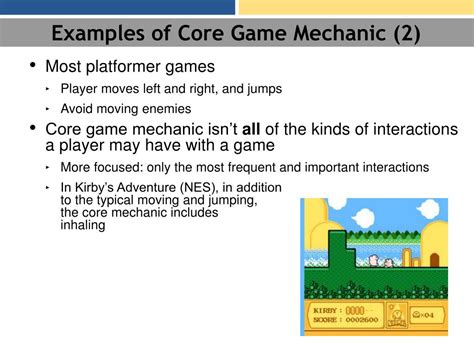
Once basic movement is established, explain the primary gameplay loop. What’s the main objective? Is it fighting, exploring, crafting, or solving puzzles? Introduce the core mechanics required to engage with this loop.
Stage 3: Gradually Unveil Deeper Systems
Only after players grasp the basics and core loop should you introduce more complex systems: inventory management, skill trees, advanced combat maneuvers, faction reputations, or intricate crafting recipes. Present these as optional layers of depth rather than mandatory hurdles.
Structuring Your Guide for Optimal Clarity
The layout and presentation of your guide are just as important as the content itself. A well-structured guide feels intuitive and easy to navigate.
The “What, Why, How” Approach for Each Mechanic
- What is it? Define the mechanic clearly.
- Why does it matter? Explain its purpose and benefit to the player.
- How do you do it? Provide clear, concise instructions (e.g., “Press ‘W’ to move forward”).
Use Visual Aids and Clear Examples
While I can’t provide actual images here, your guides should heavily leverage screenshots, GIFs, or short videos. Show, don’t just tell. If describing a UI element, show exactly where it is. If describing a combat move, show it in action. Use analogies where appropriate.
Short Paragraphs and Bullet Points
Large blocks of text are intimidating. Break down information into digestible chunks. Use bullet points and numbered lists for steps or important takeaways. This improves readability significantly.
Active Voice and Simple Language
Avoid jargon where possible. If technical terms are necessary, define them immediately. Use active voice (“You press X to attack”) rather than passive voice (“X is pressed to attack”). Keep sentences concise and direct.
Avoiding Overwhelm: Strategies for Success
The biggest enemy of a beginner guide is information overload. Implement strategies to keep new players engaged, not intimidated.
Prioritize Information Ruthlessly
Every piece of information should earn its place. If a mechanic isn’t immediately critical to getting started, defer it. You can always have an “Advanced Tips” section or link to more detailed guides.
“Learn By Doing” Sections
Where possible, integrate mini-challenges or suggested activities that allow players to immediately apply what they’ve learned. For instance, “Now try moving to the glowing objective marker and interacting with it.” This reinforces learning.
Optional Advanced Sections and External Links
For players who do want to dive deeper, provide clearly marked “Advanced” sections or links to external resources (e.g., the game’s wiki, community forums, or more detailed guides for specific systems). This satisfies curiosity without forcing complexity on everyone.

Conclusion: Building a Foundation for Fun
A well-structured beginner game guide doesn’t just explain mechanics; it builds confidence and fosters excitement. By understanding the new player’s mindset, progressively introducing information, prioritizing clarity in presentation, and actively combating overwhelm, you can create guides that truly empower players to enjoy their initial journey and stick around for the long haul. Remember, the goal is to make the game accessible and fun from the very first minute.