




How do you filter Steam’s indie flood for genuine hidden gem recommendations?

The Indie Deluge: A Blessing and a Curse
Steam’s open platform has democratized game development, leading to an unprecedented explosion of independent titles. While this “indie flood” offers incredible diversity and innovation, it also presents a significant challenge: how do you sift through thousands of new releases to find those truly special, often overlooked, “hidden gems”? For many, the sheer volume can be overwhelming, burying artistic masterpieces under a pile of less polished or niche experiences. But fear not, discerning gamers, for there are effective strategies to navigate these digital waters.
Leveraging Steam’s Internal Tools for Discovery
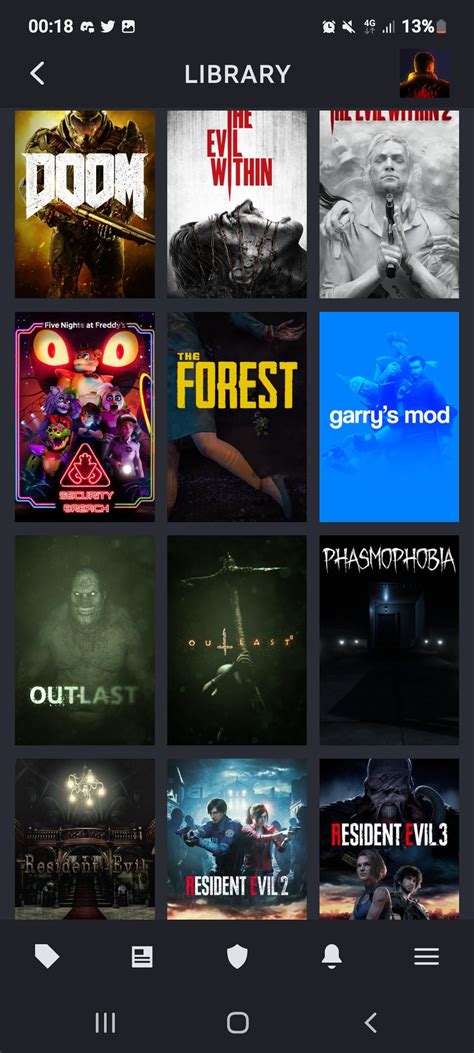
Before looking outwards, optimize your use of Steam’s built-in features. The most crucial tool is the tag system. When browsing, don’t just search for “indie”; refine your searches with specific genres, art styles, or mechanics you enjoy (e.g., “pixel art RPG,” “narrative adventure,” “roguelite deckbuilder”). Actively engage with the “More like this” suggestions on game pages for titles you’ve enjoyed. Furthermore, Steam Curators can be invaluable. Find curators whose tastes align with yours; many specialize in unearthing underrated indies. Look for those with detailed reviews and a focus on specific niches. Lastly, always scrutinize user reviews. While not perfect, a “Very Positive” or “Overwhelmingly Positive” rating from a substantial number of reviews is often a good indicator, especially when combined with a quick scan of positive and negative feedback for common themes.

Beyond Steam: External Resources and Communities
The quest for hidden gems often extends beyond Steam itself. Dedicated indie game websites like Itch.io (which often hosts early or experimental indie titles) and news sites that focus on indie showcases (e.g., Rock Paper Shotgun, Indie Game Website) are excellent sources for upcoming or less mainstream games. YouTube channels and Twitch streamers who specifically cover indie games are also fantastic. Many content creators pride themselves on discovering obscure titles, providing honest first impressions or deep dives. Engaging with communities on platforms like Reddit (r/indiegames, r/patientgamers) can also lead to surprising recommendations. Fellow players are often keen to share their discoveries and experiences, creating a collective wisdom that can guide your search.

Developing Your Personal Filtering Strategy
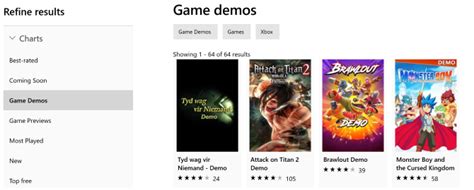
Ultimately, finding hidden gems is a personal journey. Start by identifying your own preferences. What genres do you gravitate towards? What art styles do you find appealing? Are you looking for a deep narrative, challenging gameplay, or a relaxing experience? Utilize Steam’s demo availability; many indie developers offer free demos, allowing you to try before you buy without commitment. Make use of your wishlist; add games that pique your interest, even if they’re not immediately buyable. Steam sales are then a perfect opportunity to revisit these wishlisted titles. Don’t be afraid to take a chance on a game with a unique premise or art style, even if it has fewer reviews. Sometimes, the most rewarding experiences come from stepping outside the mainstream.
The Rewarding Hunt for Unique Experiences
While the sheer volume of indie games on Steam can seem daunting, it’s also a testament to the incredible creativity flourishing in the industry. By intelligently using Steam’s internal tools, tapping into external communities and media, and developing a personal strategy, you can transform the overwhelming flood into a rich ocean of discovery. The satisfaction of unearthing a truly special, underappreciated game—a hidden gem that resonates deeply with you—is one of the most rewarding aspects of modern gaming. So, arm yourself with these tips, and happy hunting!