
Guide to cozy family games: balancing fun for kids, adults, & skill levels?
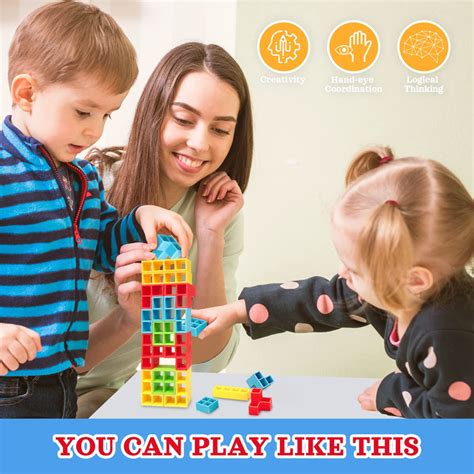
The quest for the perfect family game night often feels like navigating a minefield. How do you find a game that genuinely excites a restless five-year-old, challenges a sharp-witted teenager, and still allows the adults to relax and have fun, all without sparking a sibling rivalry meltdown? The secret lies in understanding what makes a game “cozy” and how to balance varying skill levels and interests.
The Balancing Act: Bridging Age and Skill Gaps
Families are wonderfully diverse, and so are their gaming preferences. Young children thrive on simplicity, bright colors, and quick turns, while adults might crave strategic depth or social interaction. New players can feel overwhelmed by complex rules, while seasoned gamers might find simple games too repetitive. The “cozy” element means fostering an atmosphere of low pressure, shared enjoyment, and warmth, rather than intense competition.
The challenge isn’t just about age; it’s about bridging different mindsets. A successful family game night brings everyone together, creating shared memories and laughter, not just another contest.
Strategies for Inclusive Fun
1. Embrace Cooperative Games
Cooperative games are a game-changer for families, as everyone works together towards a common goal. This eliminates direct competition, fostering teamwork and shared problem-solving, which is perfect for building family bonds and preventing arguments. They teach valuable skills without anyone feeling left out or defeated.

Examples: Forbidden Island (easy to learn, everyone tries to save treasures), Pandemic: Hot Zone (quicker version of the classic co-op), The Crew: Mission Deep Sea (trick-taking game with cooperative twists), or even younger-friendly options like Outfoxed!
2. Look for Games with Scalable Complexity or House Rules
Some games inherently offer layers of strategy, allowing new players to enjoy basic mechanics while experienced players dive deeper. Others are easily adaptable with house rules to simplify or add challenge.
Examples: Ticket to Ride (simple to learn, but offers strategic route planning), Dixit (creative storytelling where everyone contributes), Carcassonne (easy tile-laying, but offers surprising depth). For younger kids, you might simplify scoring or give adults a handicap.
3. Opt for Party Games and Word Games
These games often rely on creativity, quick wit, or general knowledge rather than specific gaming skills, leveling the playing field. They encourage communication and laughter, making them perfect for a lighthearted atmosphere.

Examples: Codenames: Duet (cooperative word association), Wavelength (intuitive guessing based on spectrums), Just One (cooperative clue-giving), Telestrations (a hilarious drawing and guessing game).
4. Discover Dexterity and Physical Games
Dexterity games require physical skill and hand-eye coordination, which often puts adults and children on a more even footing. These games are usually quick, visually engaging, and highly interactive.
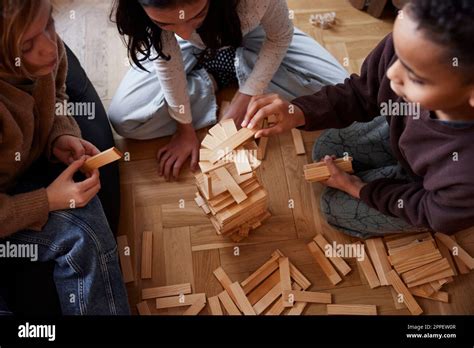
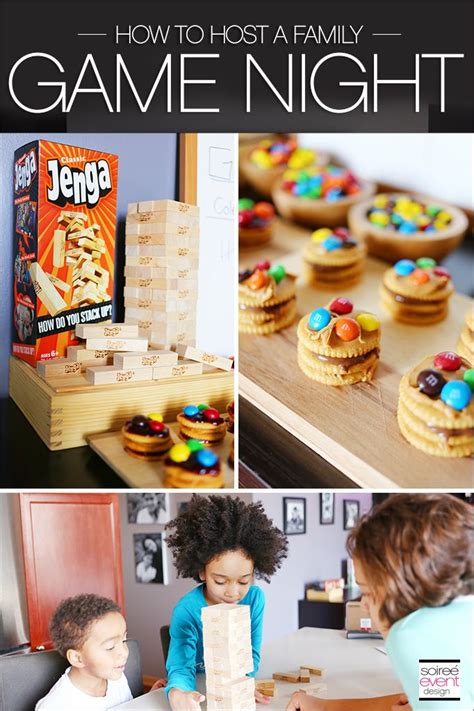
Examples: Jenga (a timeless classic), Rhino Hero (stacking card game), Catapult Kingdoms (fun miniature battle), or even simple games like Flick ’em Up!
5. Explore Storytelling and Role-Playing Light
These games tap into imagination and creativity, with less emphasis on rules and winning. They encourage everyone to contribute to a shared narrative, making the experience itself the primary reward.
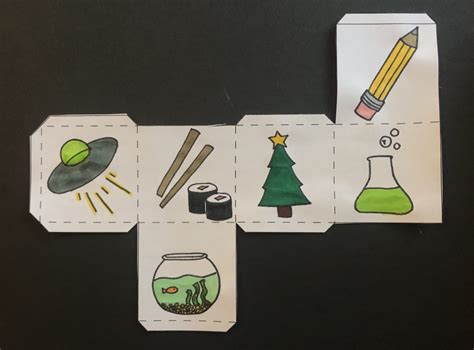
Examples: Rory’s Story Cubes (simple dice for spontaneous storytelling), Once Upon a Time (players tell a fairy tale using cards), or even simply making up stories together based on prompts.
Tips for a Harmonious Cozy Game Night
- Set Expectations: Explain the game clearly and encourage a supportive atmosphere, especially for new players.
- Rotate Choices: Let different family members pick the game on different nights to ensure everyone’s preferences are met over time.
- Focus on Fun, Not Winning: Emphasize the shared experience, laughter, and quality time together over who scores the most points.
- Create the Atmosphere: Dim the lights, put on some background music, and have cozy blankets and snacks ready. A comfortable setting enhances the “cozy” feel.
Conclusion
Finding the perfect cozy family game involves a bit of exploration and understanding your family’s unique dynamics. By opting for cooperative play, scalable complexity, or games that level the playing field through creativity or dexterity, you can transform ordinary evenings into cherished memories. The goal isn’t just to play a game, but to create a joyful, inclusive experience that brings everyone closer, one shared laugh and strategic move at a time.