



What F2P gacha red flags indicate predatory monetization or pay-to-win?
Free-to-Play (F2P) gacha games have exploded in popularity, offering compelling experiences without an upfront cost. However, their revenue model, often reliant on microtransactions and chance-based mechanics (gacha), can sometimes veer into predatory territory. Identifying these red flags is essential for players to protect their wallets and ensure a genuinely enjoyable gaming experience, rather than one driven by manipulative tactics.
Opaque Odds and Complex Gacha Mechanics
One of the clearest warning signs is when a game makes it difficult to understand the true odds of acquiring desirable items or characters. While most jurisdictions require gacha rates to be disclosed, some games present them in an intentionally convoluted manner. This might involve multiple layers of RNG (e.g., you pull a character, but then need to pull duplicates for upgrades, or specific rare gear with its own separate gacha) or ‘pity’ systems that, while helpful, still demand an immense number of pulls (and thus spending) to guarantee a desired outcome.
Be wary of games that don’t clearly state the probability of obtaining top-tier rewards, or those where the ‘guaranteed’ item is still one among a large pool of less desirable options. Such systems are designed to obscure the true cost and rarity, encouraging more spending than a player might intend.
Aggressive, High-Pressure Monetization
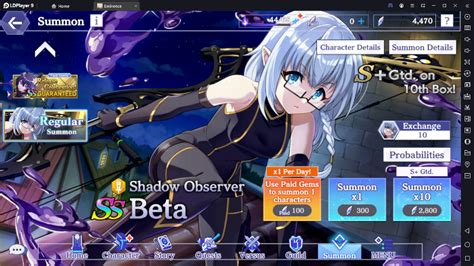
Predatory games often bombard players with constant, high-pressure offers. This can manifest as pop-ups immediately upon logging in, limited-time bundles with countdown timers designed to create a Fear Of Missing Out (FOMO), or ‘special deals’ that appear to be massive discounts but still carry a hefty real-world price tag. These tactics are designed to push players into impulsive purchases, often without giving them time to properly evaluate the value proposition.
Look out for games that incessantly interrupt gameplay with monetization prompts, or those that frequently reintroduce ‘limited-time’ offers that appear to be permanent fixtures. The goal here is to normalize spending and create an environment where resistance to microtransactions feels like missing out on crucial progression.
The Relentless Cycle of Power Creep
Power creep is a common issue in many live-service games, but in gacha, it can be particularly insidious. This occurs when newly released characters, weapons, or items are consistently and significantly more powerful than existing ones, rendering previous investments obsolete. If the game frequently introduces ‘meta-defining’ units that drastically outperform last month’s top-tier options, it creates a treadmill effect.
Players feel compelled to continuously pull for the latest characters just to keep up with competitive content (like PvP or challenging raids) or even to progress through the main story. This endless cycle pressures players to spend not out of enjoyment, but out of necessity to remain relevant.
Artificial Progress Walls and Energy Systems
Many F2P games utilize energy or stamina systems to limit continuous play. While not inherently predatory, these systems become red flags when they are excessively restrictive, forcing players to either wait many hours or spend money to continue playing. If the game’s core progression feels artificially gated behind these time-or-money walls, it’s designed to extract spending rather than offer a complete experience.
Furthermore, systems like VIP levels or Battle Passes that lock crucial progression boosts, resources, or even entire game modes behind a paywall are clear indicators of pay-to-win. While battle passes can be fair, if the free track offers negligible rewards compared to the paid one, or if essential tools for progression are exclusive to paying players, it creates an unfair playing field.

Direct Pay-to-Win (P2W) Elements
The most overt red flag is direct pay-to-win. This refers to scenarios where spending money directly translates to a significant, often insurmountable, competitive advantage. This can include:
- Exclusive characters or items only obtainable through high spending that provide clear statistical superiority.
- The ability to purchase stat boosts, extra turns, or damage multipliers that are unavailable to free players.
- Game modes (especially PvP) where the best players are consistently those who have spent the most, rather than those with superior skill or strategy.
If a free-to-play player finds themselves consistently unable to compete or progress past a certain point without opening their wallet, the game likely has strong pay-to-win elements. A truly fair F2P model should allow skilled and dedicated players to eventually reach top-tier content, even if it takes more time.

Conclusion
While F2P gacha games can be incredibly fun and rewarding, it’s vital for players to be vigilant. Understanding these red flags empowers you to make informed decisions about where to invest your time and money. Prioritize games that respect your engagement, offer transparent systems, and provide a path to progression that doesn’t feel like a constant battle against manipulative monetization. By recognizing predatory practices, you can advocate for healthier gaming environments and choose titles that truly deliver on their promise of free-to-play entertainment.