




Beyond Steam, how to discover quality indie hidden gems effectively?
The Vast Ocean of Indie Gaming Beyond Steam
Steam undeniably dominates the PC gaming landscape, offering an unparalleled library of titles. However, its sheer volume, coupled with algorithms often favoring established hits or games with aggressive marketing, can make discovering truly unique and high-quality indie hidden gems a daunting task. Many exceptional, innovative, and deeply personal games from independent developers often get lost in the shuffle, overlooked by the mainstream.
To truly appreciate the breadth and creativity of the indie scene, gamers must venture beyond the familiar shores of Steam. This guide will equip you with the knowledge and strategies to effectively unearth those diamond-in-the-rough experiences that promise fresh perspectives and unforgettable gameplay.
Why Venture Off the Beaten Path?
Looking beyond Steam isn’t about shunning the platform entirely, but rather expanding your horizons. Many indie developers, especially smaller studios or solo creators, find it challenging to gain visibility on such a massive marketplace. Their unique creations might not fit into popular genres, lack substantial marketing budgets, or simply get buried by the daily deluge of new releases.
By actively seeking out these games elsewhere, you not only support independent creators directly but also gain access to a richer, more diverse gaming library. The satisfaction of discovering a truly unique, underappreciated title is a reward in itself, offering experiences that often stand apart from the more commercialized offerings.
Alternative Platforms and Digital Storefronts
While Steam is a giant, several other platforms offer curated selections, developer-friendly policies, and a more focused environment for indie games.
Itch.io: The Indie Haven
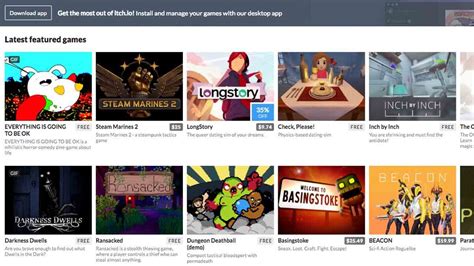
Itch.io is perhaps the most prominent alternative, known for its open platform that allows developers to set their own prices and sales splits. It’s a breeding ground for experimental games, game jam entries, and truly unconventional experiences. Its bundles, often for charity, are an excellent way to discover a multitude of hidden gems at a low cost.
GOG.com: DRM-Free Treasures
GOG (Good Old Games) focuses on DRM-free titles, offering a curated collection that includes many classic PC games alongside a growing selection of modern indies. Their commitment to consumer-friendly practices and careful curation makes it a reliable source for quality.
Humble Store & Bundles: Curated Collections
Humble Bundle offers both a storefront and famous curated bundles that often feature fantastic indie games, with a portion of proceeds going to charity. Their bundles are an excellent, cost-effective way to get introduced to several quality indie titles across various genres.
Harnessing Community and Curation
Beyond storefronts, communities and dedicated curators play a crucial role in bringing hidden gems to light.
Reddit and Dedicated Forums
Subreddits like r/IndieGaming, r/patientgamers, and even genre-specific subreddits are excellent places for recommendations and discussions. Users often highlight lesser-known titles they’ve enjoyed, providing genuine, unbiased opinions.
Discord Servers and Developer Communities
Many indie developers host Discord servers where they share development updates, solicit feedback, and interact directly with fans. Joining these communities can give you early access to demos, development builds, and a deeper understanding of a game’s creation process.
Indie Game Journalists and Influencers
Seek out YouTube channels, podcasts, blogs, and niche journalists who specifically focus on indie games. Unlike larger outlets, these curators often have a passion for uncovering unique experiences and are less swayed by marketing budgets.
Engaging Directly with Developers
Following indie game developers on social media platforms like Twitter can be incredibly rewarding. Many developers share updates, prototypes, and even call for playtesters, offering a direct line to exciting upcoming projects. Platforms like Patreon and Kickstarter also allow you to support games in development, often granting access to early builds and exclusive content.
Strategic Discovery Tactics
Beyond platforms and communities, adopting specific strategies can significantly improve your chances of finding quality indies.
Exploring Game Jams and Demos
Game jams are events where developers create games within a short timeframe, often resulting in incredibly innovative and experimental prototypes. Platforms like itch.io host many game jam entries. Similarly, don’t shy away from playing demos; they’re free, low-commitment ways to sample a game’s core mechanics and determine if it resonates with you.
Genre Exploration Beyond Your Comfort Zone
Sometimes the best hidden gems reside in genres you rarely explore. Try looking for games in niche categories or those that blend genres in unusual ways. You might stumble upon your next favorite game in an unexpected place.
Leveraging “Similar Games” and Recommendation Engines (carefully)
While Steam’s recommendations can be hit or miss, other platforms like itch.io or GOG often have more relevant suggestions based on your interests. Pay attention to “games like this” sections on indie-focused review sites or community wikis.
The Reward of the Hunt
Discovering indie hidden gems requires a bit more effort than simply browsing Steam’s bestsellers list, but the payoff is immense. You’ll unearth games that are often more innovative, heartfelt, and unique, offering experiences that truly stand out in a crowded market. By diversifying your discovery methods and supporting independent creators, you contribute to a vibrant and evolving gaming ecosystem.
So, step out of the familiar, explore new territories, and prepare to be surprised by the incredible talent hidden just beyond the mainstream spotlight. The next indie masterpiece is waiting for you to find it.