




What IAP pricing strategy maximizes F2P retention?

In the highly competitive Free-to-Play (F2P) mobile game market, retaining players is just as critical as acquiring them. While engaging gameplay and regular content updates are fundamental, the often-overlooked secret weapon for sustained player engagement and retention lies in a well-crafted In-App Purchase (IAP) pricing strategy. It’s a delicate balance: monetize effectively without alienating your player base or creating a ‘pay-to-win’ perception that drives players away. The right strategy doesn’t just encourage spending; it enhances the player experience, making them feel valued and invested.
Understanding Your Player Segments
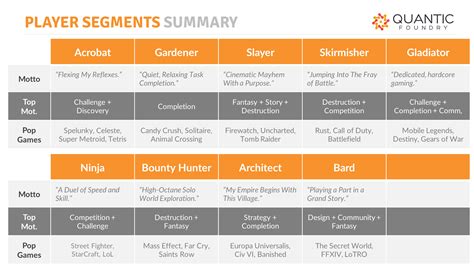
Before diving into specific pricing models, it’s essential to understand who your players are. F2P games typically attract a diverse audience, often categorized into ‘whales’ (high-spenders), ‘dolphins’ (mid-spenders), and ‘minnows’ (low-spenders or non-spenders). Each segment has different motivations, spending capacities, and sensitivities to pricing. A strategy that caters to all these groups, offering compelling value at various price points, is more likely to succeed in retaining a broad player base.
Core IAP Pricing Strategies for Retention
Tiered Pricing & Value Ladders
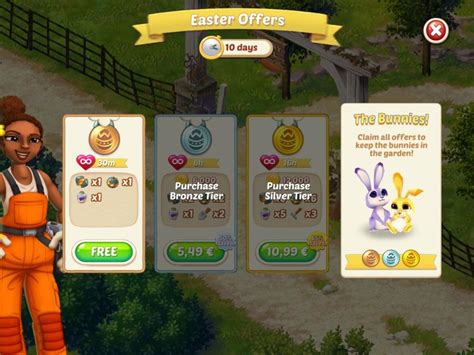
This is perhaps the most common and effective strategy. Offer a range of IAP bundles at different price points, typically from low-cost entry items to high-value premium packs. The key is to ensure increasing value with higher price tiers, making the most expensive options feel like a significant discount compared to buying individual components. For retention, low-cost starter packs can act as ‘sticky’ purchases, converting a non-spender into a spender, increasing their investment and likelihood to stay.
Subscription Models
Increasingly popular, battle passes, monthly subscriptions, or VIP memberships offer a steady stream of content, bonuses, or exclusive access for a recurring fee. This model is excellent for retention because it provides continuous value and encourages daily login to maximize benefits, creating a habit loop that significantly boosts engagement over time. Players are more likely to stay when they’re actively subscribed to a service that enhances their ongoing gameplay.
Bundling & Discounts
Combining multiple items into a single, attractively priced bundle can create a strong perception of value. Limited-time offers, flash sales, or personalized bundles based on player behavior can drive impulse purchases and re-engage dormant players. The discount aspect makes players feel like they’re getting a deal, making the purchase feel more rewarding and less like a necessary expenditure.
Gating & Progression Boosters
While often controversial if poorly implemented, strategically placed IAPs that offer convenience or accelerate progress without being ‘pay-to-win’ can aid retention. For players with limited time, the option to skip a grind or unlock content faster can keep them engaged and prevent frustration. The balance here is crucial: offer a valuable shortcut, not an essential bypass for core gameplay.
The Psychology of Pricing
Effective IAP pricing also leverages psychological principles. Charm pricing (e.g., $4.99 instead of $5.00) makes prices seem lower. Anchor pricing involves presenting a high-value item first to make subsequent items appear more reasonable. Scarcity (limited-time offers) and urgency (countdown timers) can also prompt quicker purchase decisions, potentially leading to more sustained engagement as players invest in the game.
Dynamic Pricing and A/B Testing
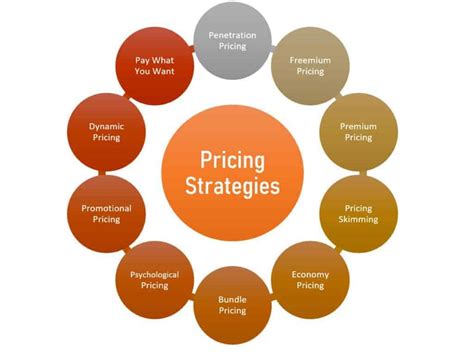
The F2P market is constantly evolving, and a static pricing strategy will quickly become outdated. Implementing dynamic pricing, where offers are personalized based on player behavior, spending history, and engagement level, can significantly boost conversion and retention. Moreover, rigorous A/B testing of different price points, bundle compositions, and offer presentations is paramount. This data-driven approach allows developers to identify what resonates best with their specific audience, optimizing for both revenue and player satisfaction.
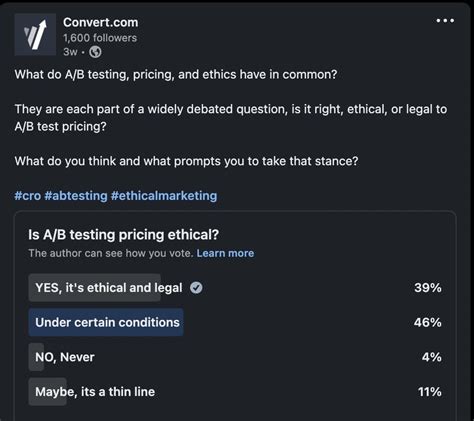
Value Perception and Ethical Considerations
Ultimately, any IAP strategy must prioritize delivering perceived value to the player. If players feel they are getting a fair exchange for their money – whether it’s convenience, customization, or content – they are more likely to remain engaged. Avoiding exploitative practices, such as excessive monetization pressure or ‘pay-to-win’ mechanics that alienate non-spenders, is crucial for long-term retention and maintaining a positive community sentiment. Ethical monetization builds trust and fosters a loyal player base.

Conclusion
Maximizing F2P retention through IAP pricing is not about extracting the most money from every player, but about crafting a nuanced strategy that enhances the overall game experience and provides value across different player segments. By understanding player psychology, offering tiered and diverse IAP options, leveraging subscription models, and continuously testing and refining your approach, mobile game developers can transform their monetization strategy from a revenue-only focus into a powerful engine for sustained player engagement and long-term retention. The most successful IAP strategies are those that make players feel good about their purchases, reinforcing their commitment to the game world.