





What 3 key elements must a game’s beginner guide include to get new players playing fast?
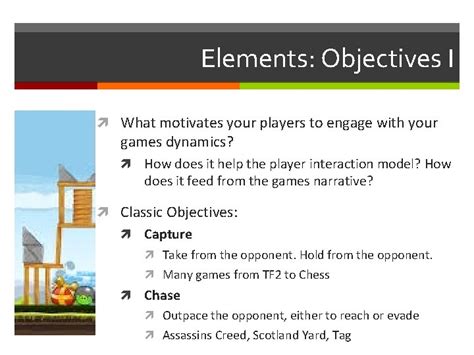
Seamless Player Onboarding: The Foundation of Game Engagement
The first few minutes in a new game are critical. A well-designed beginner guide doesn’t just teach; it transforms confusion into engagement, hooking players and making them want to explore. When new players grasp the basics quickly, they’re more likely to stick around and invest time, with the speed of onboarding directly correlating to long-term player retention. To achieve this swift transition from novice to engaged participant, a guide must prioritize three essential elements.

1. Core Mechanics & Intuitive Controls Explained
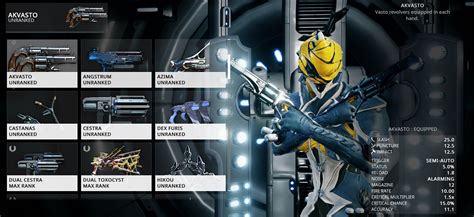
Players need to immediately understand how to move, interact with the world, and perform fundamental actions. This isn’t merely about listing keyboard shortcuts or gamepad buttons; it’s about making controls feel intuitive and demonstrating their function within the game environment. A good guide introduces controls gradually, often through context-sensitive prompts or a brief, mandatory tutorial section. It focuses on essential input methods – basic movement, attacking or defending (if applicable), and navigating primary user interfaces like inventory or maps. The overarching goal is to build quick muscle memory for the most common and vital actions, making the player feel competent from the outset.

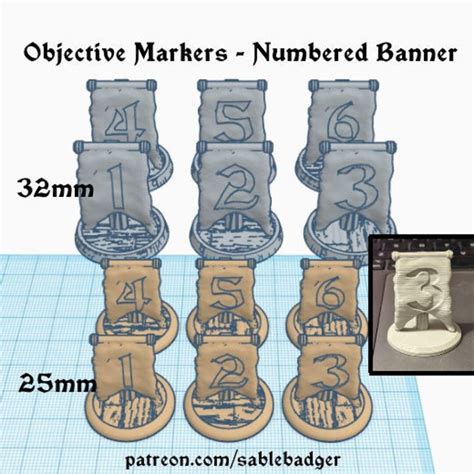
2. Immediate, Achievable Goals with Clear Guidance
Dropping new players into a vast, open world with no direction is a surefire way to overwhelm and disengage them. They require a clear, small objective that can be accomplished almost immediately. This provides a crucial sense of purpose and immediate achievement, reinforcing the idea that they can actively participate and succeed. This could be as simple as “collect this item,” “talk to this NPC,” or “defeat this first enemy.” The guide should employ visual cues, highlighted objectives, and explicit instructions to steer the player through these initial tasks. Successfully completing these early goals reinforces learned mechanics and builds confidence, gently easing them into the game’s inherent flow.
3. Early Context & Motivation for Continued Play
Beyond just teaching “how to play,” a truly effective beginner guide must also answer “why play?” It should offer a compelling glimpse into the game’s world, narrative, or core loop that ignites curiosity and makes players eager to continue their journey. This doesn’t involve spoiling the entire story, but rather providing just enough context to invest the player emotionally or strategically. This might involve introducing a key character, hinting at a larger conflict, demonstrating an early reward loop (e.g., leveling up, earning in-game currency), or showcasing a unique game mechanic that will become central to the experience. The aim is to transition the player seamlessly from a structured tutorial into genuine, self-motivated gameplay engagement.
By rigorously focusing on these three foundational pillars – clear core mechanics, immediate guided objectives, and a compelling reason to continue – game developers can craft beginner guides that don’t merely instruct but genuinely onboard players swiftly and effectively. A fast, confident start is a strong start, laying the essential groundwork for a rich and lasting player experience.