




How to find quality free-to-play mobile games that aren’t pay-to-win?

The mobile gaming landscape is dominated by free-to-play (F2P) titles, offering instant access to entertainment without an upfront cost. While this model democratizes gaming, it also introduces a significant challenge: distinguishing genuinely fair F2P games from those designed to compel players to spend money to progress or win – the dreaded “pay-to-win” (P2W) model. Finding a quality F2P game that respects your time and wallet can feel like searching for a needle in a haystack, but with the right approach, it’s entirely achievable.
Deconstructing “Pay-to-Win”
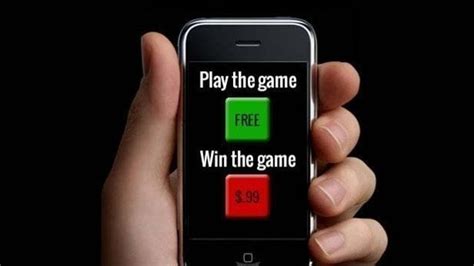
Before you can avoid P2W games, it’s crucial to understand what it truly means. A game is generally considered pay-to-win when spending real money directly grants significant, often insurmountable, advantages over players who don’t. This can manifest in various ways: exclusive powerful gear, characters, abilities, or resources that are either impossible or extremely difficult to obtain through gameplay alone. Conversely, a fair F2P game might offer cosmetic items, convenience features (like ad removal or faster progression, but not exclusive power), or new content (like expansion packs) as monetization options.
Key Indicators of a Quality, Non-P2W Experience
1. Scrutinize Player Reviews and Ratings
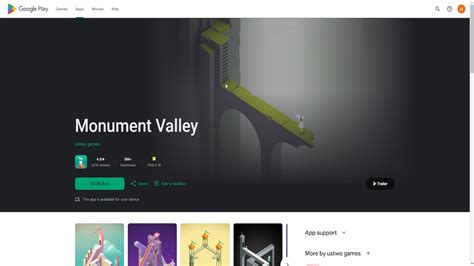
The App Store and Google Play Store are your first lines of defense. Pay attention to both the overall star rating and, more importantly, the content of the reviews. Look for recurring complaints about paywalls, unfair advantages for spenders, or feeling pressured to buy. Conversely, positive reviews often highlight fair progression, engaging gameplay, and respectful monetization. Be wary of games with an abundance of generic five-star reviews, which can sometimes indicate review manipulation.
2. Research Developer Reputation
Some developers have a history of creating fair, player-friendly F2P games, while others are notorious for aggressive monetization. A quick search for the developer’s name along with “P2W” or “monetization” can reveal patterns and insights from the broader gaming community. Reputable developers often prioritize long-term player satisfaction over short-term revenue spikes.

3. Examine the Monetization Model
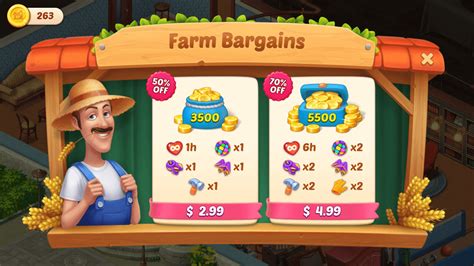
Dive into what the game actually sells. Are they purely cosmetic items (skins, emotes, avatars) that don’t affect gameplay power? Or are they selling stat-boosting equipment, powerful characters, or resources that significantly accelerate progress to an unfair degree? Games that focus on cosmetic monetization or quality-of-life improvements are generally safer bets. Also, look at loot box mechanics; if critical game-changing items are locked behind random, paid loot boxes, that’s a red flag.
4. Consult Community Feedback and Gaming Media
Beyond app store reviews, dedicated gaming websites, YouTube channels, and subreddits (like r/AndroidGaming or r/iosgaming) are invaluable resources. Gaming journalists and passionate players often extensively review and discuss the monetization practices of F2P games. Search for community discussions regarding a game’s balance and whether free players can compete with paying ones. Look for threads where players discuss strategies that don’t involve spending money.
Testing the Waters Yourself
Ultimately, the best way to determine if a game is truly free-to-play and not P2W is to try it yourself. Download the game and play it for several hours, perhaps even a few days. Pay close attention to:
- Early Progression: Does the game feel rewarding and fair in the initial stages, or do you quickly hit a wall where progress grinds to a halt without spending?
- PVP/Competitive Balance: If the game has competitive modes, do you consistently feel outmatched by players who clearly have superior items or stats that were likely purchased?
- Resource Generation: Can you reasonably earn premium currency or vital resources through gameplay, or are they exclusively tied to real-money purchases?
A truly free-to-play, non-P2W game will allow you to enjoy the core experience and progress at a reasonable pace without feeling pressured or disadvantaged for not spending.
Where to Discover Reputable Games
Beyond general app store browsing, consider specific curated lists. Many gaming publications frequently publish “best F2P mobile games” or “non-P2W mobile games” articles. Websites like Pocket Gamer, TouchArcade, and even dedicated subreddits for specific game genres often have community-vetted recommendations. Don’t be afraid to explore indie titles, as smaller developers sometimes prioritize innovative gameplay and fair monetization over aggressive revenue generation.

Conclusion
Navigating the vast sea of free-to-play mobile games to find those that aren’t pay-to-win requires a blend of critical observation, community wisdom, and personal testing. By understanding P2W mechanics, scrutinizing reviews and developer history, analyzing monetization models, and trying games firsthand, you can empower yourself to discover truly engaging and fair mobile gaming experiences. Happy gaming!