




How do beginner game guides most effectively break down complex first steps?
Starting a new game, especially one known for its depth or complexity, can be daunting. Players are often dropped into a world with intricate mechanics, unfamiliar interfaces, and a multitude of choices. For beginner guides, the ultimate challenge lies not just in explaining what to do, but in effectively breaking down these complex first steps so that new players feel empowered, not overwhelmed. Mastering this art is crucial for player retention and enjoyment.
Understanding the Beginner’s Mindset
Before any information can be delivered, a good guide must empathize with the new player. They are likely feeling a mix of excitement and apprehension. Everything is new, from movement controls to resource management, combat systems, and quest logs. The goal isn’t to dump all knowledge at once, but to create a gentle on-ramp that progressively builds confidence and competence. This means identifying the absolute minimum viable knowledge required to perform the first few actions successfully.

Chunking Information: Small, Digestible Bites
One of the most effective strategies is to break down large, intimidating concepts into smaller, more manageable ‘chunks’. Instead of explaining an entire skill tree, a guide might focus on the very first skill point allocation, explaining its immediate impact. Similarly, rather than detailing an entire crafting system, it could guide the player through crafting their first simple tool. Each chunk should have a clear objective and a tangible outcome, providing a sense of accomplishment.
This approach minimizes cognitive load. By presenting information in sequential, bite-sized pieces, players can absorb and apply one concept before moving on to the next. This prevents the feeling of being swamped by too much information at once, fostering a steady learning curve rather than a steep cliff.
Visual Learning and Immediate Feedback
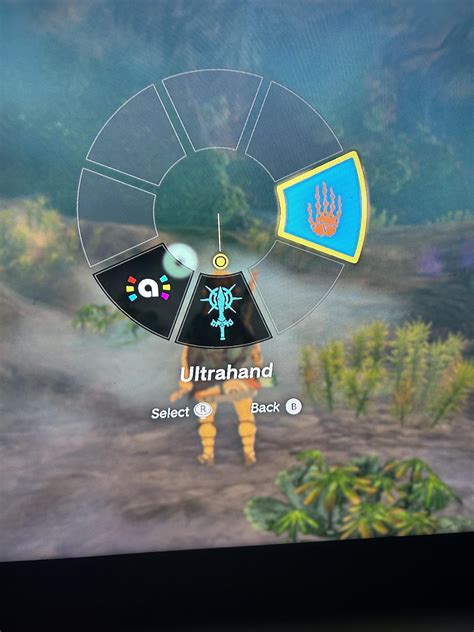
Text alone can often fall short when explaining spatial relationships or dynamic processes. Incorporating visual aids – even just descriptive text that implies visuals – is paramount. Screenshots, diagrams, and short video clips (conceptually, in a guide) can illustrate exactly where to click, what an icon means, or how a sequence of actions unfolds. For a text-based guide, clear descriptions of visual cues in the game interface are essential.
Coupled with visuals, guides should encourage immediate application and provide feedback. After explaining how to open the inventory, the guide might instruct the player to try moving an item. This hands-on experience solidifies learning. The ‘feedback’ comes from successfully performing the action in-game, reinforcing the guide’s instruction.
Prioritization and Progression Paths
Not all initial steps are created equal. A crucial aspect of effective guides is the ability to prioritize what is immediately necessary versus what can be learned later. Overly comprehensive guides can be as paralyzing as no guide at all. Focus on the core mechanics needed to survive the first few minutes or complete the initial quest.
Furthermore, outlining a clear, logical progression path helps immensely. This means structuring the guide so that each step naturally leads to the next, building upon previously learned concepts. “First, do X. Then, use the skill you just learned to do Y. After that, you’ll be ready for Z.” This creates a sense of direction and purpose, guiding players through the initial labyrinth of possibilities.

Reinforcement and Encouragement
Learning new systems can be frustrating. Effective guides don’t just instruct; they also reassure and encourage. Simple phrases like “Don’t worry if it takes a few tries,” or “You’ve successfully completed the hardest part!” can significantly boost a new player’s morale. Reminding them that complexity often yields rich rewards can motivate them to push through initial hurdles.
Reinforcing learned concepts through brief recaps or by naturally integrating them into subsequent steps also helps retention. By the time a player reaches the end of the “first steps” guide, they should feel a sense of accomplishment and readiness to explore the game further, rather than relief that the tutorial is finally over.

Conclusion
Breaking down complex first steps in beginner game guides is a delicate balance of simplifying without patronizing, informing without overwhelming, and guiding without hand-holding excessively. By adopting strategies like chunking information, leveraging visuals, prioritizing crucial tasks, and offering a steady stream of encouragement, guides can transform potentially frustrating initial experiences into engaging and rewarding introductions. Ultimately, an effective guide lays a solid foundation, empowering new players to confidently delve deeper into the rich worlds games have to offer.