




How to simplify complex game mechanics effectively in beginner guides for new players?

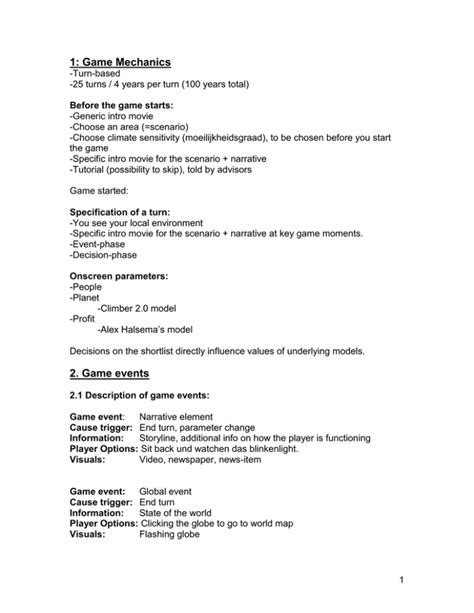
Introducing new players to a game with deep and intricate mechanics can be a daunting task, both for the player and for the guide writer. A well-crafted beginner’s guide doesn’t just list features; it patiently teaches, simplifies, and builds confidence. The goal is not to overwhelm but to empower, ensuring new players grasp fundamental concepts without feeling lost in a sea of jargon and complex systems.
Why Simplification is Crucial for New Players
For many, a game’s initial complexity can be a significant barrier to entry. Overloading new players with too much information too soon can lead to frustration, disengagement, and ultimately, them abandoning the game. Effective simplification fosters a positive learning experience, increases player retention, and allows newcomers to enjoy the game’s core loop faster, paving the way for deeper engagement.
Strategies for Breaking Down Complexity
The first step in simplifying any complex mechanic is to truly understand its core function and then progressively break it down into digestible, manageable chunks. Think of it like teaching someone to ride a bicycle: you don’t start with advanced stunts, but rather balance, pedaling, and steering, one skill at a time.
1. Progressive Disclosure: The Layered Approach
Instead of explaining everything at once, introduce mechanics in layers. Start with the absolute essentials needed to play the first few minutes or complete a basic objective. Once those are understood, introduce the next layer of complexity, building upon previously learned concepts. This prevents cognitive overload and allows players to integrate new information gradually.
2. Use Relatable Analogies and Metaphors
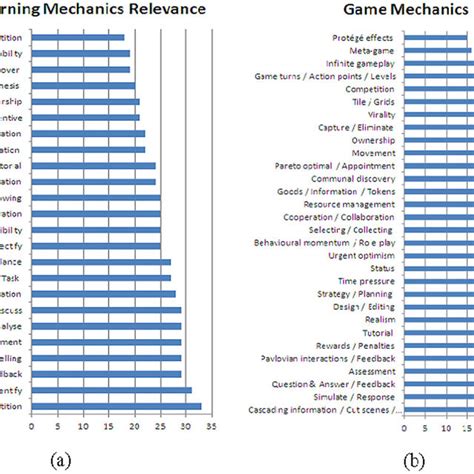
Complex game systems often mirror real-world or common digital concepts. Leveraging these can create instant understanding. For example, explain a game’s “economy” by comparing it to managing household finances, or a “skill tree” as gaining experience points to learn new abilities in school. These mental shortcuts bridge the gap between unknown game logic and familiar experiences.
3. Prioritize “Need-to-Know” Over “Nice-to-Know”
Not every detail is critical for a beginner. Distinguish between information that is absolutely essential for initial gameplay and information that can be discovered later or is only relevant for advanced strategies. Focus on the core loop and primary objectives, shelving deeper lore or meta-game intricacies for later stages or advanced guides.

Effective Presentation and Delivery
How you present information is just as important as what information you present. Clear, concise, and visually supported guides are far more effective than dense text blocks.
1. Clear and Concise Language, Avoid Jargon
Speak plainly. Avoid game-specific jargon unless it’s immediately defined and necessary. If a term must be used, explain it clearly in simple terms. Use short sentences and direct language. Imagine explaining it to someone completely new to gaming, not just new to your specific game.
2. Leverage Visual Aids Extensively
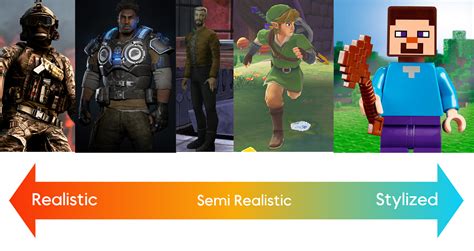
A picture is worth a thousand words, especially in gaming. Use screenshots, annotated diagrams, flowcharts, short GIFs, or even video clips to illustrate concepts. Show, don’t just tell. Visuals help players quickly grasp spatial relationships, UI elements, and action sequences.
3. Incorporate Practical Application and Examples
The best way to learn is by doing. Integrate opportunities for players to apply what they’ve learned. This could be through interactive tutorials, practice modes, mini-challenges within the guide, or clear examples of how a mechanic works in a specific in-game scenario. Theory without practice is easily forgotten.
Structuring Your Beginner Guide
The layout and flow of your guide are critical for a positive learning experience.
1. Build from Simple to Complex
Organize your guide logically, starting with the absolute basics (movement, basic interaction) and gradually introducing more complex systems (combat, crafting, economy). Each section should build naturally on the previous one, creating a smooth learning curve.
2. Include an FAQ or Troubleshooting Section
Anticipate common questions and stumbling blocks. A well-placed FAQ can address recurring issues without forcing players to search elsewhere, reinforcing the guide’s utility and completeness.
Test, Iterate, and Refine
No guide is perfect on the first try. The key to an effective beginner guide is continuous improvement.
1. Playtest with Actual Beginners
The most valuable feedback comes from those who are your target audience. Observe new players interacting with the game and your guide. Where do they get stuck? What questions do they ask? Their struggles are your guide’s weaknesses.
2. Gather Feedback and Iterate
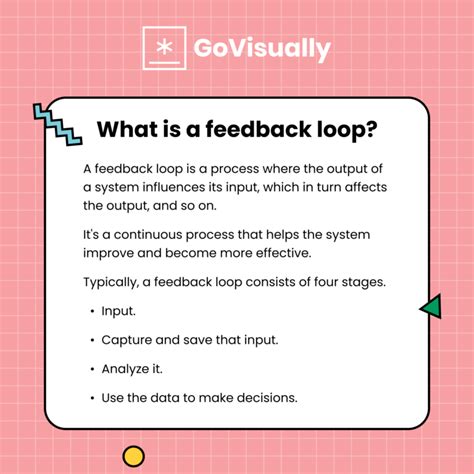
Actively solicit feedback from your community and implement changes based on common pain points. A living document, updated as the game evolves or as new player feedback comes in, is always more effective.
Conclusion
Simplifying complex game mechanics for new players is an art form that blends clear communication with empathetic understanding. By breaking down concepts, using relatable analogies, prioritizing essential information, and leveraging strong visual and practical examples, guide writers can transform potential frustration into genuine enjoyment. Remember, patience and clarity are your greatest tools in welcoming new adventurers to your game world.