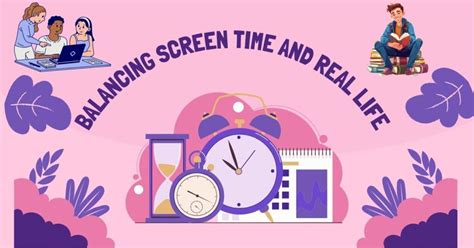





How to set healthy screen time limits for gaming without daily battles?

The allure of video games is powerful, and for many children, it’s a primary source of entertainment, social connection, and even skill development. However, balancing this passion with other important aspects of life – school, chores, physical activity, and family time – often leads to daily friction over screen time. As parents, our goal isn’t to demonize gaming, but to cultivate healthy digital habits without constant arguments.
Understanding the Gaming Landscape
Before setting limits, it’s crucial to understand why gaming is so compelling. For children, games can be a source of mastery, an escape, a social hub, or a way to unwind. Dismissing these motivations can make our limits feel arbitrary and unfair. Engaging in a dialogue, even playing a game with them occasionally, can provide valuable insight and build bridges.

Strategy 1: Collaborate, Don’t Dictate
One of the most effective ways to avoid battles is to involve your children in the limit-setting process. Sit down together during a calm moment, not during or immediately after a gaming session. Discuss the benefits of balance – better sleep, more energy for school, time for other hobbies – and listen to their perspectives.
Ask them what they think is a fair amount of gaming time, and work towards a mutually agreeable schedule. When children feel heard and have a say, they are far more likely to adhere to the rules. This fosters a sense of responsibility and ownership rather than resentment.
Strategy 2: Establish Clear, Consistent, and Visible Rules
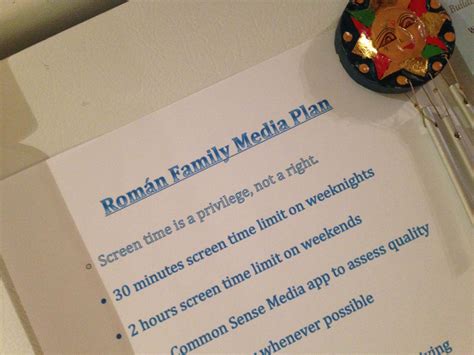
Once limits are agreed upon, write them down. A family media plan, posted prominently, can be incredibly helpful. Specify not just how much time, but also when gaming is allowed (e.g., after homework, before dinner, weekends only) and any conditions (e.g., good grades, chores done). Consistency is key; wavering on rules sends mixed signals and invites further negotiation.
Strategy 3: Focus on Quality Over Just Time
While time limits are important, also consider the quality of the screen time. Are they playing educational games, collaborative games with friends, or engaging in solitary, passive consumption? Encourage games that promote problem-solving, creativity, or teamwork. Discuss game content and ratings to ensure age-appropriateness.
Strategy 4: Offer Appealing Alternatives
Children naturally gravitate towards what’s engaging. If gaming is the only highly stimulating option, it will always win. Provide appealing alternatives: plan family outings, introduce new hobbies (sports, art, music), set up playdates, or even just encourage imaginative play. Make non-screen activities equally, if not more, enticing and accessible.

Strategy 5: Utilize Technology Wisely
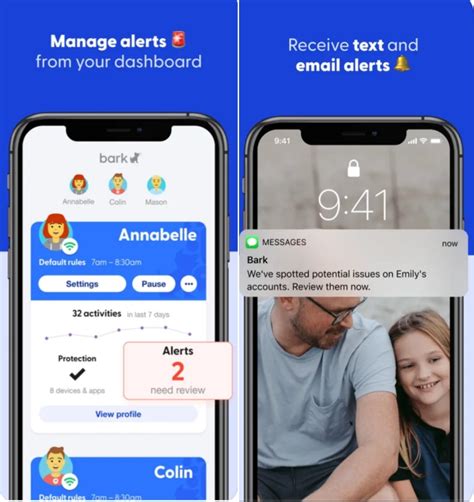
Modern devices offer parental controls that can be incredibly useful tools, not just punitive measures. Screen time apps, router controls, and console settings can automatically enforce limits, removing you from the role of the “bad guy” constantly needing to remind or nag. Present these as tools to help everyone stick to the agreed-upon plan.
- Timers: Use an actual kitchen timer or in-game timers.
- Parental Control Apps: Features like scheduled downtime and content filtering.
- Router Settings: Block internet access for specific devices at certain times.
Strategy 6: Model Healthy Screen Habits
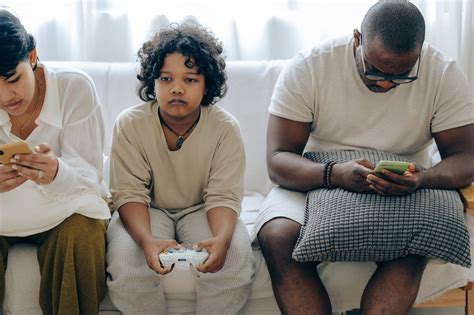
Children are excellent observers. If they see parents constantly glued to their phones or laptops, our words about screen limits will ring hollow. Demonstrate balanced screen use yourself. Put away your devices during family meals, dedicate tech-free times, and show them you value face-to-face interaction and other activities.
Conclusion: Cultivating a Balanced Digital Life
Setting healthy screen time limits for gaming doesn’t have to be a daily war. By collaborating with your children, setting clear expectations, offering compelling alternatives, leveraging technology, and modeling good habits, you can foster a positive relationship with screens. The goal isn’t to eliminate gaming, but to integrate it harmoniously into a well-rounded, balanced life where physical activity, academics, social interaction, and family time also thrive.