




What F2P Gacha red flags indicate predatory monetization?
Free-to-play (F2P) gacha games have become a dominant force in the mobile gaming market, offering accessible entertainment that can be enjoyed for free. However, beneath the surface of engaging gameplay and attractive characters, some titles employ monetization strategies that cross the line from sustainable business models into predatory practices. Recognizing these red flags is crucial for players to protect their wallets and mental well-being.
The Illusion of ‘Free’ and Aggressive Monetization
Many gacha games start by offering a generous initial experience, allowing players to progress significantly without spending. This early generosity builds investment and attachment. The red flag emerges when this ‘free’ experience quickly hits a wall, making further progress frustratingly slow or impossible without opening your wallet. Predatory games are designed to create bottlenecks in progression, energy systems, or essential resource acquisition, pushing players towards in-app purchases (IAPs) to alleviate these manufactured frustrations.
Obscure Drop Rates and Unforgiving Pity Systems
The core of gacha lies in its random draw mechanics. A significant red flag is when desirable characters or items have extremely low drop rates, often less than 1% for top-tier content. While low rates are inherent to gacha, predatory systems exacerbate this by making ‘pity’ mechanics – systems that guarantee a rare item after a certain number of draws – either too high (requiring hundreds of pulls) or easily reset by off-banner draws, effectively ensuring players spend significantly more than anticipated to get what they want.
Aggressive Time-Limited Offers and Fear of Missing Out (FOMO)
Predatory gacha games excel at creating a sense of urgency and scarcity. Time-limited banners for powerful characters, exclusive event rewards, or ‘one-time only’ bundles are commonplace. When these offers are tied to a perceived significant power boost or unique cosmetic, they heavily leverage FOMO, pressuring players to spend immediately rather than rationally considering the purchase. The constant rotation of ‘must-have’ limited items ensures a perpetual cycle of spending pressure.
![[🔫] Punk Tactics [⚡] meme / trend || Gacha Life // Not OG // — fufu ...](/images/aHR0cHM6Ly90czEubW0uYmluZy5uZXQvdGg/aWQ9T0lQLjU4eS1BeVlYeFdWRzhfd1ZmamtMcEFIYUVLJnBpZD0xNS4x.webp)
Power Creep and the Endless Grind
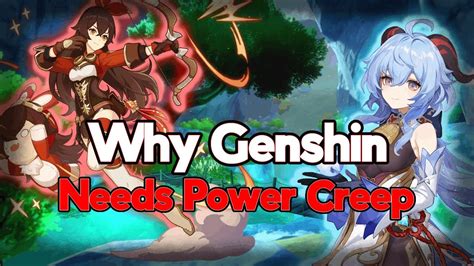
Power creep is a pervasive issue in many F2P games, but it becomes predatory when new characters or equipment are introduced at an accelerating pace, rapidly making previously powerful units obsolete. This forces players to constantly invest in the latest and greatest to remain competitive or even to clear standard content. Coupled with an endless, repetitive grind for resources that become insufficient over time, players are trapped in a cycle of needing to spend just to keep up.
Manipulative UI/UX and Psychological Exploitation
Beyond gameplay, the user interface and experience can be designed to exploit player psychology. This includes:
- Confusing Bundle Pricing: Offering multiple tiers of premium currency or bundles with varying, non-standardized values to make direct comparisons difficult and encourage higher spending.
- Deceptive UI Elements: Making it easier to accidentally spend premium currency, or prominently displaying expensive bundles while burying free options.
- Leaderboards and PvP: Systems that explicitly highlight the gap between free and paying players, using social pressure and competition to push players into spending to climb ranks.

Lack of Meaningful Free-to-Play Progression
While a game can be F2P, a predatory one will make the free path feel punishingly slow and unrewarding. Event rewards might be minimal, free premium currency insufficient for even a single meaningful draw, and the overall progression experience designed to be frustratingly stagnant without spending. This makes it nearly impossible for F2P players to achieve a satisfying level of power or content completion, constantly reminding them of their ‘inferior’ status compared to paying users.
Escalating Spending & ‘Sunk Cost Fallacy’ Exploitation
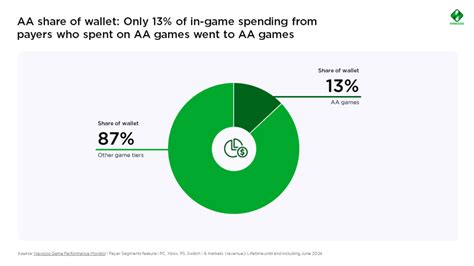
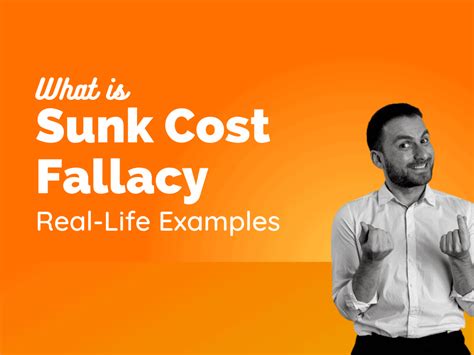
A particularly insidious red flag is when the game design implicitly encourages escalating spending. Once a player has invested a significant amount of money, the game makes it incredibly difficult to stop, preying on the ‘sunk cost fallacy.’ The thought of losing all that investment, or becoming unable to clear new content with their existing roster, can compel players to spend more and more, even when they know it’s not sustainable. This leads to what’s often termed ‘whale hunting,’ where games are designed to extract maximum value from a small percentage of high-spending players.
Conclusion
Identifying these red flags is the first step towards a healthier relationship with F2P gacha games. While monetization is essential for game development, there’s a clear line between fair practices and predatory exploitation. Players should be vigilant, advocate for ethical monetization, and support games that prioritize player enjoyment and sustainable progression over manipulative tactics designed to drain wallets. Understanding these indicators empowers players to make informed decisions and resist the psychological pressures inherent in predatory designs.