


How to create game beginner guides that quickly onboard new players?

The Crucial First Impression: Why Beginner Guides Matter
For any game, the first few minutes are critical. New players are evaluating, learning, and deciding if your game is for them. A poorly designed beginner guide can lead to frustration, confusion, and ultimately, player abandonment. Conversely, a well-crafted onboarding experience can hook players, teach them the ropes effectively, and set them on a path to long-term engagement. This article will walk you through the essential principles for creating game beginner guides that quickly and efficiently onboard new players, making their initial journey seamless and enjoyable.
Understand Your Audience and Their Needs
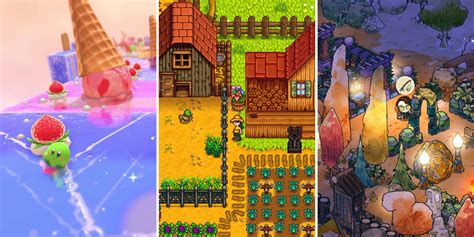
Before you even begin designing your guide, consider who your new players are. Are they completely new to gaming, or just new to your specific genre? Are they looking for a casual experience or a deep, complex one? Tailoring your guide to their prior knowledge and expectations is key. A guide for a competitive fighting game will differ significantly from one for a cozy farming simulator. Identify the core knowledge gaps your target audience will have and focus on filling those efficiently.
Prioritize Core Mechanics: What’s Essential?
It’s tempting to teach everything upfront, but overwhelming players with information is counterproductive. Focus on the absolute minimum mechanics required for a player to interact with the game, understand its primary loop, and feel a sense of agency. This usually includes movement, basic interaction, and the primary objective. Anything beyond that can be introduced later, through progressive disclosure.

Keep it Concise and Visual
Avoid lengthy text boxes or walls of dialogue. Players want to play, not read a manual. Utilize visual cues, icons, short animations, and clear UI elements to convey information. Show, don’t just tell. Break down complex actions into simple, digestible steps. If text is necessary, ensure it’s short, to the point, and uses simple language.
Embrace Active Learning: Learn by Doing
The most effective way for players to learn is by doing. Design your guide as an interactive experience where players immediately practice new mechanics as they’re introduced. Create a safe, controlled environment where mistakes have minimal consequences, allowing players to experiment and build muscle memory. Instead of explaining how to jump, have them jump over a small gap.
Progressive Disclosure and Pacing
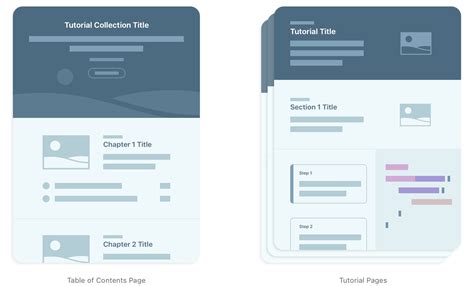
Don’t dump all information at once. Introduce concepts and mechanics gradually, building upon previously learned skills. As players progress through the initial stages of the game, new features, challenges, and systems can be unveiled. This progressive disclosure prevents cognitive overload and keeps players engaged as they discover new layers of complexity at a manageable pace. Think of it as an expanding tutorial that blends seamlessly into the early game experience.
Provide Clear and Immediate Feedback
When a player performs an action, provide clear and immediate feedback. Did they succeed? Did they fail? Why? Visual and auditory cues can confirm correct actions (e.g., a green checkmark, a positive sound effect) or highlight mistakes (e.g., a red X, a ‘wrong way’ indicator). This feedback loop is crucial for reinforcing correct behavior and helping players understand the consequences of their actions within the game world.
Make it Fun and Contextualized
A beginner guide doesn’t have to be a dry checklist of instructions. Integrate your tutorial elements into the game’s narrative, world, or character interactions. Use humor, intrigue, or a sense of discovery to make the learning process part of the fun. A guide that feels like a natural part of the game’s opening story will be much more engaging than a generic overlay.
Test, Iterate, and Refine
Your beginner guide is never truly finished until it’s been tested by actual new players. Conduct playtests with individuals who have never played your game (or even similar genres). Observe their struggles, listen to their feedback, and identify points of confusion or frustration. Be prepared to iterate on your guide, simplifying explanations, reordering steps, or even redesigning entire sections based on real-world player experiences.
Conclusion
Creating an effective beginner guide is an art form that blends instructional design with engaging gameplay. By understanding your audience, prioritizing core mechanics, utilizing visual and active learning, employing progressive disclosure, and rigorously testing your guide, you can ensure that new players not only grasp the basics quickly but also fall in love with your game from the very first moment. A great first impression isn’t just about teaching; it’s about inspiring and retaining your player base for the long haul.