



What are the best tips for choosing engaging, low-stress family games for mixed ages?

Creating Harmony: The Quest for Perfect Family Game Night
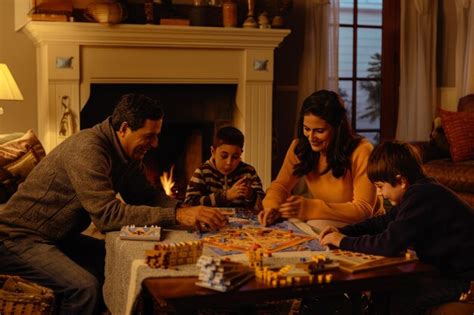
Family game night is a cherished tradition, a chance to connect, laugh, and make memories. However, the dream can quickly turn into a nightmare if the chosen game doesn’t suit everyone. Balancing the interests and abilities of toddlers, pre-teens, teenagers, and adults requires a thoughtful approach. The goal isn’t just to play, but to foster engagement and ensure low stress, preventing meltdowns from either end of the age spectrum. Here’s how to navigate the vast world of games to find those perfect fits for your mixed-age family.

Embrace Simplicity and Accessibility
The golden rule for mixed-age gaming is simplicity. Look for games with straightforward rules that can be grasped quickly by younger players and don’t bore the older ones. Games that rely less on complex strategy and more on observation, quick decisions, or a bit of luck often work best. Think about games where the core mechanic is easy, but depth can emerge through player interaction or slight variations. Picture games that are easy to explain in five minutes or less.
The Power of Cooperative Play
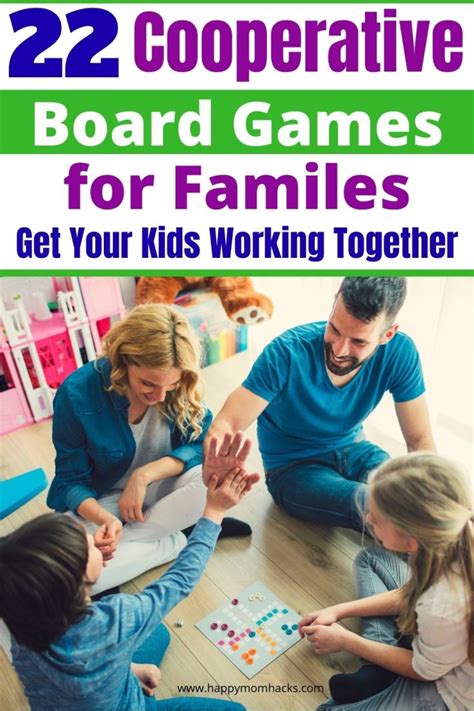
Competition can be a fun motivator, but it can also be a source of stress, especially when age and skill gaps are significant. Cooperative games, where everyone works together towards a common goal against the game itself, are game-changers for mixed-age groups. They eliminate direct rivalry, foster teamwork, communication, and mutual support, turning potential conflict into shared success or failure. This environment is perfect for younger children to feel valued and for older ones to guide without dominating.

Look for Variable Difficulty and Roles
Some games ingeniously incorporate elements that allow different players to engage at different levels. This might mean having advanced rules for older players and simpler ones for younger kids, or roles that naturally suit various skill sets. For example, a game might have a designated ‘reader’ for younger players, or tasks that require different kinds of thinking (e.g., matching colors vs. strategic planning). These games ensure everyone feels challenged appropriately without anyone feeling left out or overwhelmed.
Prioritize Short Playtimes and Engagement Windows
Attention spans vary wildly across age groups. A game that takes hours to complete is likely to lose the younger crowd and potentially frustrate everyone involved. Opt for games with shorter playtimes (ideally 15-45 minutes) or those that can be easily paused and resumed. Games with quick turns keep everyone engaged and minimize downtime, which is crucial for maintaining interest. If a game has multiple rounds, it’s easy to stop after a few, giving flexibility.
![🔥 [60+] Time Zone Clock Wallpapers | WallpaperSafari](/images/aHR0cHM6Ly90czQubW0uYmluZy5uZXQvdGg/aWQ9T0lQLmQtUXE0dzlTMDg5WllnQThlckZFREFIYUZxJnBpZD0xNS4x.webp)
The Allure of Theme and Story
A compelling theme or an engaging story can captivate players of all ages, even if the mechanics are relatively simple. Games that spark imagination, tell a simple narrative, or involve charming components can transcend age barriers. Look for themes that resonate with your family’s interests, whether it’s exploring a magical forest, building a whimsical city, or solving a fun mystery. The immersive experience can often outweigh the complexity of the rules.
Flexibility and Trial-and-Error
Remember that not every game will be a hit with everyone, and that’s okay. Be prepared to try different types of games and observe what works and what doesn’t. Sometimes, house rules can be adapted to make a game more inclusive or less stressful for your specific family dynamics. The ultimate goal is connection and shared enjoyment, not strict adherence to game rules. Don’t be afraid to experiment, and view each game night as a learning experience.

Conclusion: More Than Just a Game
Choosing the right game for a mixed-age family involves a blend of strategy and empathy. By focusing on simplicity, cooperation, adaptable rules, shorter playtimes, and engaging themes, you can transform potential headaches into harmonious moments of joy. Ultimately, the best family games aren’t just about winning; they’re about fostering communication, building bonds, and creating lasting memories that everyone can cherish.