




How to spot predatory F2P gacha to avoid common spending traps?

Free-to-play (F2P) gacha games have become a dominant force in the mobile gaming market, offering engaging gameplay and compelling characters without an upfront cost. However, beneath the surface of many titles lies a sophisticated system designed not just to entertain, but to extract significant revenue through addictive gambling-like mechanics. Understanding these tactics is crucial for any player looking to enjoy their favorite games without falling into common spending traps.
Understanding the Gacha Model: A Double-Edged Sword
At its core, gacha refers to a monetization strategy where players spend virtual currency (purchased with real money) to receive random virtual items, characters, or resources. This is akin to Japanese capsule toy vending machines. While some gacha elements can be benign, offering optional cosmetic items or minor boosts, the model can quickly turn predatory when game designers exploit psychological vulnerabilities.
The allure is strong: the thrill of a rare pull, the excitement of collecting powerful units, and the social status of having the ‘best’ characters. This creates a powerful loop of anticipation and reward, making it incredibly difficult for many players to stop.

Red Flags: How Predatory Gacha Games Entice Spending
Spotting a predatory gacha game involves recognizing specific design choices aimed at maximizing player spending, often at the expense of player well-being.
1. Aggressive FOMO (Fear Of Missing Out) Tactics
Predatory games thrive on scarcity. Limited-time banners for powerful or aesthetically pleasing characters, exclusive event rewards, and daily login bonuses that expire create immense pressure to play and pay. If you miss a character, they might never return, or only after a very long time, fueling anxiety and impulsive spending.
2. Opaque Odds and Misleading UI
While many regions now mandate transparency in gacha odds, how these odds are presented can still be misleading. Very low drop rates for top-tier items (often less than 1%), confusing ‘pity’ systems that reset upon getting *any* high-rarity item (not necessarily the one you want), and bundles that obscure the actual value of individual items are common.
3. Psychological Manipulation and Gambling Loops
The random nature of gacha pulls triggers the same reward pathways in the brain as slot machines. Variable ratio reinforcement (unpredictable rewards) is highly addictive. Features like ‘near misses’ (getting close to a rare item) and the sunk cost fallacy (feeling compelled to spend more because you’ve already spent so much) are expertly utilized to keep players pulling.
4. Power Creep and Constant Pressure to Upgrade
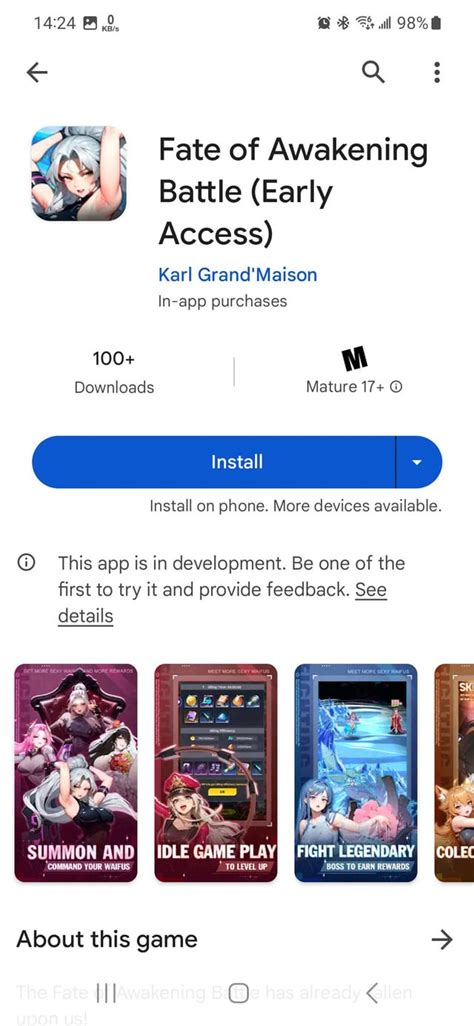
A tell-tale sign of a predatory game is relentless power creep, where new characters or items are consistently stronger than existing ones. This forces players to continuously pull for the latest units just to keep up, rendering previous investments obsolete and maintaining a high spending ceiling.
5. Exploitative Energy Systems and Time Gates
Many F2P games use energy systems to limit playtime, but predatory versions make it nearly impossible to progress without purchasing more energy. Similarly, excessively long upgrade timers or resource generation times coerce players into buying shortcuts, frustrating those who wish to play at their own pace.
6. Targeting “Whales” with High Ceilings
Predatory gacha designs often have no real spending cap. While casual players might spend a little, the game’s economy is often designed to cater to ‘whales’ – a small percentage of players who spend thousands. This is evident in systems that allow for endless duplication of characters for marginal stat increases, or leaderboards that reward the highest spenders.
Strategies to Avoid the Spending Traps
Armed with the knowledge of predatory tactics, you can develop strategies to enjoy gacha games responsibly.
1. Research Before You Invest
Before committing significant time or money, research the game’s monetization model. Read community reviews, watch gameplay streams, and check forums for discussions on ethical practices, power creep, and overall player sentiment. A game with a consistently negative reputation for monetization is a huge red flag.
2. Set Strict Spending Limits (and Stick to Them)
Decide on a monthly budget for *all* entertainment, including gacha games, and never exceed it. Consider using gift cards rather than linking direct payment methods to make spending more deliberate. If you find yourself consistently going over, it’s time to take a break or uninstall.

3. Recognize and Counter Psychological Triggers
Be aware of FOMO, the sunk cost fallacy, and the dopamine rush of pulling. When you feel the urge to pull or spend, pause and ask yourself if it’s truly for enjoyment or if you’re succumbing to a manipulative design. Remind yourself that missing out on one character isn’t the end of the world.
4. Focus on Fun, Not Completion or Status
Shift your mindset from ‘collecting everything’ or ‘being the best’ to simply enjoying the gameplay, story, or art. Many gacha games can be enjoyed perfectly well with free-to-play units or by making minimal, strategic purchases for guaranteed value.
5. Don’t Chase the Meta – Play What You Enjoy
Unless you’re a high-level competitive player, don’t feel pressured to pull every new meta-defining character. Often, existing characters can clear most content with strategic play. Play with the characters you like, not just the ones deemed ‘optimal’.

6. Take Regular Breaks and Disconnect
If you find yourself spending too much time or money, step away. Uninstall the game for a week, a month, or indefinitely. Breaking the daily login routine and the constant exposure to in-game offers can help reset your perspective and spending habits.
Conclusion: Play Smart, Spend Wisely
While gacha games can offer hours of entertainment, they are also expertly crafted psychological machines designed to encourage continuous spending. By understanding the predatory tactics employed – from aggressive FOMO and opaque odds to power creep and targeted monetization – players can empower themselves to make informed decisions. Play smart, set boundaries, and prioritize your financial well-being over the fleeting thrill of a rare pull. Your wallet, and your peace of mind, will thank you.