

How to best structure game beginner guides for new player quick learning?

For any new player diving into an unfamiliar game, the initial experience can be a make-or-break moment. A well-structured beginner guide doesn’t just inform; it empowers, reducing frustration and fostering lasting engagement. The goal isn’t just to dump information, but to facilitate quick, enjoyable learning that builds confidence and lays a solid foundation for future exploration.
Understanding the New Player Mindset
New players are often a mix of excitement and trepidation. They want to jump in and play, but also fear making irreversible mistakes or being overwhelmed by complex systems. Their attention span is limited, and they prioritize immediate gratification and understanding core interactions over deep dives into lore or advanced strategy. Effective guides must cater to this desire for swift progress and clear, actionable direction, keeping the learning curve gentle yet engaging.

Core Principles for Effective Guide Structure
1. Prioritize & Isolate Core Concepts
Don’t throw everything at them at once. Identify the absolute minimum a player needs to know to take their first meaningful action, such as basic movement, interaction, and primary objective. Introduce concepts one at a time, allowing for mastery before moving on. This method prevents cognitive overload and ensures foundational understanding.
2. Progressive Disclosure of Information
Start with the absolute basics and gradually introduce complexity. Think of it like a well-designed tutorial level in a game: teach movement, then attack, then special abilities, always building on previously learned skills. Avoid using jargon initially; explain terms clearly and concisely as they become relevant to the current learning objective.
3. Action-Oriented and Experiential Learning
Rather than just telling, prompt the player to do. A guide that says “Now, try moving your character to the marked spot” is far more effective than “Movement is controlled by WASD.” Integrate small, achievable tasks and immediate feedback loops into the guide itself, allowing players to apply what they learn instantly.

4. Visual Reinforcement and Clear Navigation
Even in text-based guides, use headings, subheadings, bullet points, and bold text to break up information and make it easily scannable. A clear table of contents or well-defined section headers helps players quickly find what they need. While not actual images here, consider how visual aids (like flowcharts or diagrams) would reinforce understanding in a real guide.
Practical Elements of a Top-Tier Beginner Guide
The “Quick Start” Section
This should be a super-condensed version of the guide, perhaps 1-2 paragraphs or a short bulleted list. It’s for players who absolutely refuse to read extensively and just want the bare essentials to get going: “Move, Interact, Achieve First Objective.” This allows immediate engagement.
Essential Controls & UI Overview
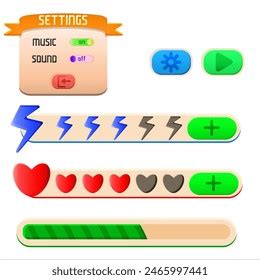
A clear diagram or concise list of controls is crucial. Explain only the most important UI elements – like the health bar, minimap, or inventory slot – that are relevant to the initial gameplay loop. Avoid detailed explanations of every single menu item or advanced UI until later stages, to prevent overwhelming the player.
First Goals and Milestones
Guide players towards their first sense of accomplishment. Whether it’s completing a simple quest, crafting their first item, or reaching a specific level, define clear, achievable short-term goals. This builds confidence, provides direction, and offers a tangible sense of progress that encourages continued play.
Common Pitfalls & Troubleshooting
Anticipate where new players might get stuck. Address common early-game mistakes, such as not understanding a crucial mechanic, or being unable to find a specific item. Offer simple, direct solutions or troubleshooting tips to help them overcome initial hurdles without frustration.
Where to Go Next & Resources
Once the absolute basics are covered, smoothly point players towards deeper game systems, community resources (forums, wikis), or more advanced guides. This transition from beginner to intermediate content is vital for continued engagement. It shows them there’s more to explore without overwhelming them upfront, fostering self-reliance and community connection.
Conclusion
Crafting an effective beginner guide is an art form that blends pedagogy with empathy. By understanding the new player’s need for quick comprehension, providing information in digestible, progressive chunks, and focusing on actionable, experiential learning, you can transform potential frustration into lasting enjoyment. A thoughtfully structured guide isn’t just a resource; it’s a welcoming hand, guiding new adventurers into a world they’ll love to explore and master.