



What are practical ways to manage kids’ gaming screen time?
In today’s digital age, video games are an undeniable part of many children’s lives. While gaming can offer benefits like problem-solving skills and social interaction, excessive screen time can lead to concerns about academic performance, physical health, and social development. Finding a healthy balance is key, and parents often seek practical strategies to manage their kids’ gaming habits without constant conflict. Here’s a guide to establishing sustainable screen time routines.
Set Clear Boundaries and Expectations
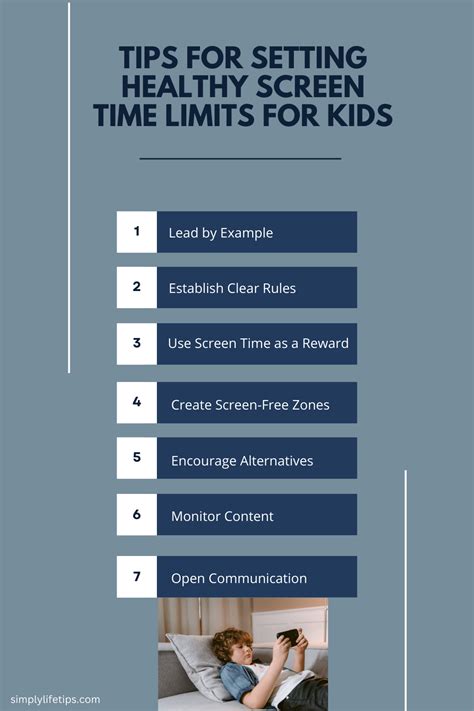
One of the most effective first steps is to establish explicit rules and boundaries around gaming. This includes defining daily or weekly time limits, specifying acceptable times for gaming (e.g., after homework, before dinner), and designating tech-free zones or times within the home. Involve your children in this discussion to foster a sense of ownership and understanding. Consistency is crucial; once rules are set, stick to them to build predictable routines.
Utilize Technology and Parental Controls
Many gaming consoles, mobile devices, and operating systems come equipped with built-in parental control features. These tools allow parents to set time limits, block certain content, restrict purchases, and monitor activity. Explore these settings on your family’s devices. Additionally, third-party apps and routers can offer more comprehensive controls across multiple platforms. Leveraging these technological aids can help enforce rules automatically and reduce daily negotiations.

Promote Alternative Activities
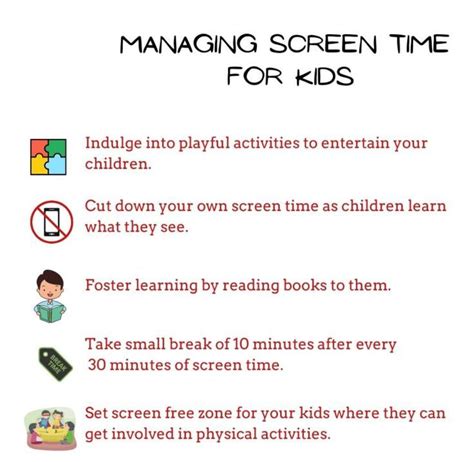
A child’s world shouldn’t revolve solely around screens. Actively encourage and facilitate a variety of offline activities. This could include outdoor play, sports, reading books, creative hobbies like drawing or building, family board games, or helping with household chores. The goal is not just to limit gaming but to fill the void with engaging and enriching experiences that contribute to their holistic development. Consider scheduling these activities into their daily routine.
Lead by Example and Engage
Children often mirror their parents’ behavior. Reflect on your own screen habits; are you modeling a healthy balance? Beyond that, take an interest in your child’s gaming world. Ask them about their games, who they play with, and what they enjoy. Sometimes, even playing a game together can provide insight, build connection, and create opportunities for discussions about appropriate gaming behavior and online safety. Understanding their interests can make rule-setting feel less arbitrary.

Foster Open Communication
Instead of simply dictating rules, engage in open and honest conversations with your children about gaming screen time. Explain the ‘why’ behind the limits – concerns about eye strain, the importance of physical activity, or time for schoolwork. Listen to their perspectives and feelings without judgment. When children feel heard, they are more likely to cooperate. Regularly review and adjust rules as they grow and their needs change, making it a collaborative process.

Create Tech-Free Zones and Times
Designate specific times or areas in your home where screens are not allowed. Common examples include no devices at the dinner table, during family outings, or in bedrooms after a certain hour. This promotes face-to-face interaction, improves sleep hygiene, and encourages engagement with the real world. These zones and times become sacred spaces for connection and relaxation, free from the distractions of digital entertainment.

Monitor Content and Age-Appropriateness
Beyond just managing time, it’s crucial to be aware of the content your children are consuming. Check game ratings (e.g., ESRB, PEGI) to ensure they are age-appropriate. Discuss potentially violent, mature, or otherwise inappropriate content with your kids, helping them develop critical thinking skills about media. Staying informed allows you to guide their choices and ensure their gaming experiences are positive and safe.

Managing kids’ gaming screen time is an ongoing process that requires patience, consistency, and adaptability. By implementing clear boundaries, utilizing available tools, promoting a balanced lifestyle, and maintaining open communication, parents can guide their children towards healthy and responsible digital habits that benefit their overall well-being.