



How to use game ratings to pick safe, age-appropriate games?
Empowering Parents Through Game Ratings
In today’s digital landscape, video games are a ubiquitous form of entertainment for children of all ages. While gaming offers numerous benefits, from cognitive development to social interaction, parents often face the challenge of selecting games that are both safe and suitable for their child’s age and maturity level. This is where game ratings become an invaluable tool, providing clear guidelines to help you make informed decisions.
Understanding Global Game Rating Systems
Different regions of the world employ various game rating systems, each designed to help consumers understand a game’s content. The two most prominent systems are the Entertainment Software Rating Board (ESRB) in North America and the Pan European Game Information (PEGI) system used across Europe.
The ESRB System (North America)
- E (Everyone): Content is generally suitable for all ages. May contain minimal cartoon, fantasy or mild violence and/or infrequent use of mild language.
- E10+ (Everyone 10+): May contain more cartoon, fantasy or mild violence, mild language, and/or minimal suggestive themes.
- T (Teen): Generally suitable for ages 13 and up. May contain violence, suggestive themes, crude humor, minimal blood, simulated gambling and/or infrequent use of strong language.
- M (Mature 17+): Generally suitable for ages 17 and up. May contain intense violence, blood and gore, sexual content, and/or strong language.
- AO (Adults Only 18+): Content suitable only for adults. May include prolonged scenes of intense violence, graphic sexual content, and/or gambling with real currency.
The PEGI System (Europe)
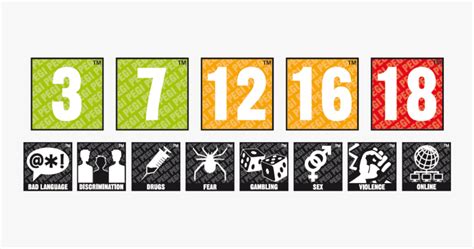
- PEGI 3: Games suitable for all age groups.
- PEGI 7: Games with scenes or sounds that can be frightening to younger children.
- PEGI 12: Games with non-realistic violence towards fantasy characters or realistic violence towards human-like characters; nudity in a non-sexual context; bad language; simulated gambling.
- PEGI 16: Games with realistic depictions of violence, sexual activity, or promotion of illegal drug use.
- PEGI 18: Games with explicit violence, sexual content, or glorification of illicit drug use.
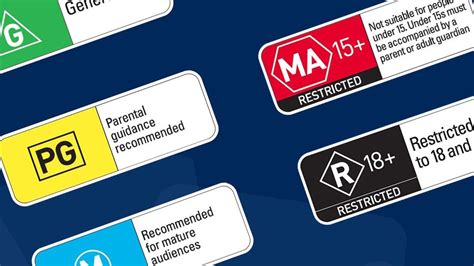
Other systems like Australia’s ACB, Japan’s CERO, and Germany’s USK serve similar functions in their respective regions.
Decoding Content Descriptors and Indicators
Beyond the age category, most rating systems also include content descriptors or indicators. These provide specific information about what elements within the game triggered a particular rating.
ESRB Content Descriptors Examples:
- Fantasy Violence: Violent actions directed at non-human characters and creatures.
- Mild Language: Infrequent use of mild profanity.
- Drug Reference: Mentions or depictions of illegal drugs.
- Sexual Themes: Mildly suggestive content.
- Blood and Gore: Depictions of blood, dismemberment, or internal organs.
PEGI Content Indicators Examples:
- Violence: The game contains depictions of violence.
- Bad Language: The game contains bad language.
- Fear: The game contains content that may frighten young children.
- Sex: The game contains sexual references or nudity.
- Drugs: The game depicts or refers to the use of illegal drugs.
- Gambling: The game contains elements that encourage or teach gambling.
These descriptors are crucial because an ‘E10+’ game with ‘Fantasy Violence’ is very different from a ‘T’ game with ‘Blood’ and ‘Suggestive Themes.’ Always look at both the age rating and the content descriptors to get a full picture of what your child will encounter.
Practical Steps for Parents to Pick Games
Utilizing game ratings effectively requires a proactive approach. Here’s how you can integrate them into your game selection process:
- Start with the Age Rating: Use the primary age rating (e.g., E, PEGI 7) as your initial filter. If a game is rated M or PEGI 16, it’s generally unsuitable for younger children.
- Examine Content Descriptors: Once you find a game with an appropriate age rating, dig deeper into the content descriptors. These will tell you the why behind the rating. For example, a PEGI 7 game with a ‘Fear’ indicator might be fine for one 8-year-old but too intense for another.
- Read Reviews and Watch Gameplay: Don’t rely solely on the ratings. Look up unbiased reviews from reputable gaming sites or parent communities. Even better, watch gameplay videos on platforms like YouTube to see the actual content in action.
- Consider Your Child’s Maturity: Ratings are guidelines, not absolute rules. You know your child best. A particularly sensitive 12-year-old might not be ready for some ‘T’ rated games, while a mature 9-year-old might handle an ‘E10+’ game with ease.
- Play Together: When possible, play games with your children, especially new ones. This allows you to directly assess the content and discuss any potentially concerning themes as they arise.

Leveraging Parental Controls on Devices
Modern gaming consoles, PCs, and mobile devices come equipped with robust parental control features that work in conjunction with game ratings. These controls allow you to:
- Set Age Restrictions: Automatically block games above a certain rating.
- Manage Screen Time: Limit how long your child can play each day.
- Restrict Online Interactions: Control who your child can communicate with and what content they can access online.
- Disable In-App Purchases: Prevent unauthorized spending within games.
Familiarize yourself with the parental control settings on your family’s gaming devices (e.g., PlayStation Family Management, Xbox Family Settings, Nintendo Switch Parental Controls, iOS Screen Time, Android Digital Wellbeing). Activating these features adds an extra layer of protection and reinforces the choices you make based on game ratings.
Beyond the Ratings: Open Communication
While game ratings and parental controls are powerful tools, they are most effective when coupled with open communication. Talk to your children about why certain games are off-limits and explain the reasoning behind age ratings. Encourage them to ask questions and express their feelings about game content.
Establishing an environment of trust ensures that your children feel comfortable coming to you if they encounter something unsettling in a game, even one you deemed appropriate. As children grow, their interests and maturity levels will evolve, requiring ongoing dialogue and adjustments to your gaming rules.

Conclusion
Using game ratings is a fundamental step for any parent navigating the world of video games. By understanding the different systems, delving into content descriptors, taking practical steps to research games, and leveraging parental controls, you can confidently select safe, enriching, and age-appropriate experiences for your children. Remember that ratings are a starting point, and your active involvement and ongoing communication are key to fostering a healthy and enjoyable gaming environment for your family.