


Tips for finding quality, truly hidden indie gems without wasting time?

The indie game landscape is a vibrant, ever-expanding universe, brimming with creativity and innovation. However, with thousands of new titles releasing annually, finding those truly exceptional, hidden gems without sifting through countless mediocre offerings can feel like searching for a needle in a digital haystack. This guide will provide actionable tips to streamline your discovery process, ensuring you spend less time searching and more time playing.
Leverage Curated Platforms and Trustworthy Reviewers
One of the most efficient ways to cut through the noise is to rely on sources that have already done some of the heavy lifting. Look beyond the mainstream gaming news outlets that often focus on well-marketed titles. Instead, seek out:
- Specialized Indie Game Websites: Sites like Itch.io (with its curated bundles and developer spotlights), Indie DB, or smaller blogs dedicated solely to indie games often highlight unique titles before they gain widespread attention.
- Steam Curators: Follow specific Steam Curator groups known for their excellent taste in obscure or high-quality indie games. Many focus on niche genres or specific design philosophies.
- Niche YouTube Channels and Podcasts: Independent creators who passionately cover lesser-known titles, provide in-depth analysis, or focus on specific aesthetics can be invaluable resources. Their recommendations are often more personal and discerning.

Dive into Community Hubs and Forums
The collective wisdom of dedicated gaming communities is a powerful tool for discovery. These spaces are where players discuss, recommend, and dissect games, often unearthing gems that might never hit the radar of larger publications.
- Reddit Subreddits: Explore communities like r/indiegames, r/patientgamers, r/gamingsuggestions, or even genre-specific subreddits. Users frequently post about hidden gems they’ve enjoyed, complete with personal reviews and discussions.
- Discord Servers: Join Discord servers dedicated to indie gaming, specific genres, or even those run by your favorite indie developers or content creators. These often have dedicated channels for recommendations and new releases.
- Developer Communities: Engaging directly with smaller indie developers on their own forums or social media can give you early insights into their upcoming projects or collaborations with other promising studios.

Follow Developers and Small Publishers, Not Just Games
Sometimes, the best way to find a quality indie game is to identify the creators behind consistently good ones. Many talented indie developers or small, quality-focused publishers tend to maintain a high standard across their portfolio.
- Track Developer Portfolios: If you loved an indie game, check out the developer’s other works. Often, their style, design philosophy, and quality will carry over.
- Identify Indie Publishers: Companies like Devolver Digital, Annapurna Interactive, Raw Fury, or tinyBuild are known for publishing a curated selection of high-quality indie titles. Following their release schedules can lead you to future favorites.
- Look for Game Jam Winners: Many indie classics started as game jam entries. Following popular game jam sites or communities can highlight innovative concepts that later evolve into full games.

Utilize Demos and Wishlists Effectively
Time is precious, so don’t commit to a full purchase unless you have a good feeling about a game. Demos and the strategic use of wishlists can be your best friends.
- Always Try the Demo: Many indie games offer free demos. Treat these as your primary filter. A short demo can quickly tell you if the gameplay loop, art style, and overall feel resonate with you, saving you from a potentially wasted purchase.
- Strategic Wishlisting: Don’t just wishlist popular titles. Use your wishlist to track promising upcoming indies that catch your eye from various discovery sources. This keeps them on your radar and notifies you of releases or sales without active searching.
- Read Early Access Reviews (Cautiously): While Early Access can be risky, reading reviews for games in this stage can sometimes uncover diamonds in the rough that are actively being improved by a dedicated developer. Always cross-reference with multiple sources.
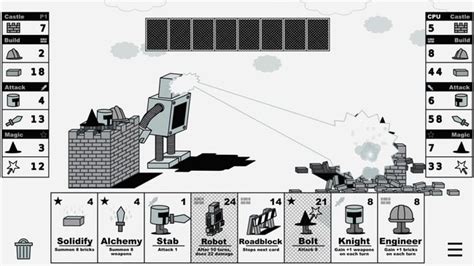
Look Beyond the Hype and Embrace Niche
The true hidden gems are often those that don’t fit into mainstream molds or aren’t marketed with massive budgets. Be open to exploring less popular genres or unique experimental titles.
- Explore Niche Genres: Don’t stick to what’s popular. Dive into walking simulators, interactive fiction, experimental puzzle games, or obscure simulation genres. Innovation often thrives on the fringes.
- Filter by Tags: On platforms like Steam or Itch.io, use detailed tags to filter for very specific types of games. Combining multiple tags can lead you to highly specialized titles that might be exactly what you’re looking for.
- Be Patient: Sometimes, the best games aren’t discovered on launch day. Many indie gems gain recognition months or even years after release through word-of-mouth. Keep an open mind and periodically revisit older recommendations.
Finding quality, truly hidden indie gems is an art, not a science. By combining the power of curated sources, engaged communities, developer insights, careful evaluation through demos, and an open mind to niche experiences, you can significantly increase your chances of discovering your next favorite game without drowning in a sea of mediocrity. Happy hunting!