


How to craft a game’s beginner guide for rapid player onboarding?
The first few minutes a player spends in your game are critical. A well-crafted beginner guide doesn’t just teach mechanics; it hooks players, fosters a sense of accomplishment, and encourages long-term engagement. Conversely, a confusing or overwhelming onboarding experience can lead to immediate player dropout. This article will explore strategies for designing effective beginner guides that rapidly integrate new players into your game world.
Understand Your Audience and Game Complexity
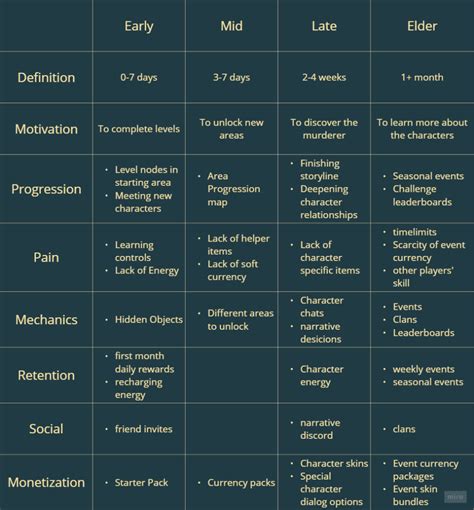
Before you even begin designing your guide, consider who your target players are and how complex your game truly is. Is it a casual mobile puzzle game, or a sprawling hardcore RPG? Casual players often prefer minimal text and intuitive visual cues, while hardcore players might appreciate a deeper dive into systems, or even the option to skip basic tutorials. Tailoring your approach to player expectations is paramount.
Break down your game’s core mechanics into bite-sized, digestible pieces. What’s the absolute minimum a player needs to know to take their first meaningful action and feel progress? Focus on these essentials first, rather than front-loading every single feature.
Embrace the “Show, Don’t Just Tell” Philosophy
Players learn best by doing. Instead of long text boxes explaining a mechanic, create an interactive scenario where players actively perform the action. If your game involves combat, guide them through their first enemy encounter. If it’s a building game, have them construct a simple structure. Immediate interaction reinforces learning far more effectively than passive reading.
- Interactive Elements: Use clear visual prompts, contextual highlights, and limited player choices to guide actions.
- Progressive Unlocking: Introduce mechanics one at a time, building complexity gradually. Don’t overwhelm with too many options simultaneously.
- Immediate Feedback: Provide clear, positive reinforcement when a player performs an action correctly, and gentle correction if they struggle.
Streamline the User Interface (UI) and Objectives
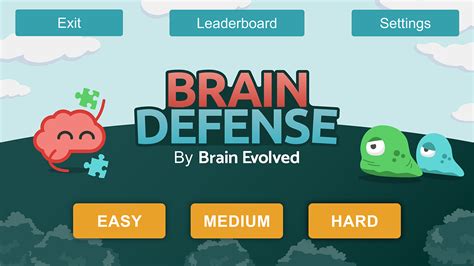
A cluttered or confusing UI is a common pitfall for new players. Your beginner guide should elegantly introduce the most crucial UI elements in context. Use highlights, tooltips, and temporary overlays to draw attention to relevant information without overwhelming the screen. Clearly define the player’s immediate objective and how to achieve it.
Prioritize Core Gameplay Loops
The initial guide should quickly get players into your game’s fundamental gameplay loop. Whether it’s “explore, gather, craft” or “fight, loot, upgrade,” ensure the tutorial leads them through this cycle at least once. This gives players a taste of the core fun and establishes a foundation for continued play.
Offer Opt-Outs and Accessibility Features
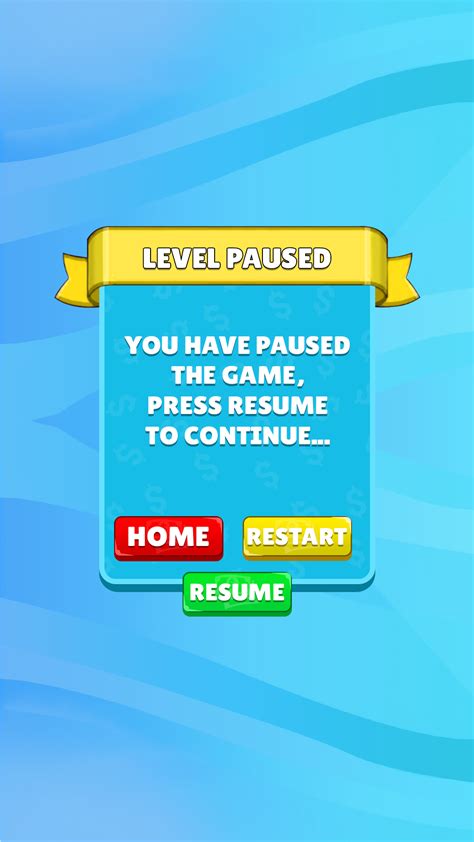
Not every player needs or wants a full tutorial. Experienced gamers or those replaying your game might prefer to jump straight into the action. Provide an option to skip or speed through tutorial segments. Furthermore, consider accessibility. Clear fonts, customizable control schemes, and options for visual/audio cues can make your guide approachable for a wider audience.
Think about how the guide integrates into the game’s narrative. Can the tutorial naturally unfold as part of the game’s opening sequence, rather than feeling like a separate, forced module? A seamless integration can significantly enhance immersion.
Test, Iterate, and Gather Feedback
No beginner guide is perfect on the first try. Rigorous testing is essential. Observe new players as they experience your guide for the first time. Where do they get stuck? What questions do they ask? Where do they seem bored or overwhelmed? Use this feedback to refine your guide, making it clearer, more engaging, and more efficient.
Consider A/B testing different approaches if your platform allows, or conduct focused playtests with a diverse group of new players. The goal is to continuously improve the initial onboarding experience until it’s as smooth and engaging as possible.
Conclusion
A strong beginner guide is an investment in your game’s longevity and player community. By focusing on clarity, interactivity, progressive learning, and continuous refinement, you can craft an onboarding experience that not only teaches players the ropes but also excites them about the journey ahead. Remember, the goal isn’t just to explain your game, but to make players eager to master it.