


How do I spot predatory F2P Gacha mechanics and find truly fair games?

Free-to-Play (F2P) Gacha games have exploded in popularity, offering compelling experiences without an upfront cost. However, beneath their shiny exterior, many hide sophisticated monetization strategies designed to encourage spending, often exploiting psychological triggers. Understanding these mechanics is crucial to enjoying these games responsibly and distinguishing between exploitative and genuinely fair titles.
Understanding the Gacha Phenomenon
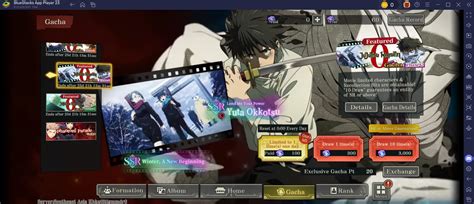
At its core, a ‘gacha’ mechanic is inspired by Japanese vending machine capsule toys. In games, it involves spending in-game currency (often purchased with real money) for a random item, character, or resource from a randomized pool. While this element of chance can be exciting, it’s also where the potential for predatory design begins.
Red Flags: Spotting Predatory Gacha Mechanics
Not all gacha is inherently bad, but certain implementations cross the line from monetization into exploitation. Here are key indicators of predatory practices:
Low Drop Rates & Misleading Probabilities
- Absurdly Low Odds: Extremely rare character or item drop rates (e.g., <1%) for essential gameplay elements.
- Lack of Transparency: Developers not clearly publishing drop rates for all items, or burying them in obscure menus.
- ‘Weighted’ Gacha: While rates are published, certain items appear to drop far less often in practice due to hidden mechanics.
Fear of Missing Out (FOMO) Tactics
- Limited-Time Banners/Events: Constantly introducing powerful new characters or items available for only a short period, pressuring players to pull now or miss out.
- Exclusive Content: Locking highly desirable content behind time-limited gacha, creating artificial scarcity.
Aggressive Power Creep
- Rapid Obsolescence: Regularly releasing new characters or items that significantly outclass existing ones, making older investments feel worthless and forcing players to chase the new meta.
- Required New Units: Designing new content (e.g., difficult stages) that strongly favors or practically requires the latest gacha units.
Confusing Premium Currencies & Obscured Costs
- Multiple Premium Currencies: Introducing several types of paid currency with varying exchange rates, making it difficult to calculate actual costs.
- Bundles Designed to Confuse: Offering ‘deals’ that seem generous but make it hard to assess the real value or how much you’re spending.
- Odd Pricing Tiers: Pricing currency packs in ways that leave you just short of a desired purchase, encouraging overspending.
Gacha for Core Progression, Not Just Cosmetics
- Pay-to-Win Locked Behind Gacha: Essential character upgrades, powerful equipment, or fundamental gameplay elements are primarily acquired through gacha, giving paying players a significant advantage.
- Lack of F2P Alternatives: No viable free-to-play path to acquire competitive characters or gear, forcing reliance on gacha.
Energy Systems & Artificial Time Gates
- Limited Playtime: An ‘energy’ or ‘stamina’ system that restricts how much you can play without waiting for a recharge or paying to instantly refill.
- Long Timers: Excessive waiting periods for crafting, building, or other actions that can be skipped by paying premium currency.
Excessive Grind & “Pay-to-Skip”
- Mind-Numbing Repetition: Designing content that requires an unreasonable amount of repetitive grinding to progress, with paid options to bypass it.
- Artificial Difficulty Spikes: Sudden, unexplained increases in game difficulty designed to frustrate players into buying power-ups or better gacha units.
How to Find Truly Fair F2P Gacha Games
While the predatory practices are rampant, many developers strive for fairer models. Here’s what to look for:
Transparency is Key
- Published Drop Rates: Reputable games clearly display the probability of obtaining every item from their gacha banners.
- Clear System Explanations: The game explains its gacha mechanics, pity systems, and currency conversions in an easy-to-understand manner.
Generous Free-to-Play Progression
- Earnable Premium Currency: Players can consistently earn significant amounts of premium currency through gameplay, events, and daily/weekly rewards.
- Viable F2P Characters/Gear: The game provides robust free-to-play character options and equipment that can clear most or all content without gacha pulls.
Meaningful Pity Systems
- Guaranteed Pulls: A ‘pity’ system that guarantees a rare item or character after a certain number of failed pulls.
- Transferable Pity: Ideally, pity carries over between similar banners, so your investment isn’t lost if you don’t get your desired item.

Cosmetics-Only or Optional Gacha
- Aesthetic Focus: Gacha is primarily for cosmetic items (skins, emotes) that don’t impact gameplay power.
- Convenience, Not Necessity: Paid options offer convenience or accelerate progress but don’t gate essential content or power.
Developer Reputation & Community Engagement
- Responsive Developers: The developers actively communicate with their player base, address concerns, and show a commitment to fair play.
- Positive Player Feedback: A healthy community that generally feels respected by the game’s monetization model.
Tips for Navigating the Gacha Landscape
Even in fair games, responsible play is essential:
- Set a Budget and Stick to It: Decide how much, if anything, you’re willing to spend and never exceed it.
- Research Before You Invest Time (or Money): Read reviews, watch gameplay videos, and check community forums for opinions on a game’s monetization before diving deep.
- Prioritize Fun Over “Meta”: Don’t feel pressured to pull for every new, powerful character. Play with characters you enjoy.
- Know When to Walk Away: If a game consistently frustrates you, makes you feel obligated to spend, or stops being fun, it’s okay to quit.

Conclusion
The world of F2P Gacha games can be a minefield, but with awareness and a critical eye, you can identify and avoid the most predatory titles. By recognizing red flags and seeking out games that prioritize player experience and fair monetization, you can enjoy engaging gameplay without feeling exploited. Empower yourself with knowledge, set your boundaries, and choose games that respect your time and wallet, leading to a much more satisfying gaming experience.