





Actionable tips for parents to manage kids’ daily gaming screen time?

Navigating the Digital Playground: Managing Kids’ Gaming Screen Time
In today’s digital age, video games are an undeniable part of many children’s lives. While gaming offers entertainment, social interaction, and even cognitive benefits, managing daily screen time can be a significant challenge for parents. Striking the right balance between allowing children to enjoy their games and ensuring they engage in other essential activities—like homework, outdoor play, and family time—is crucial for their development and well-being. This guide offers actionable strategies to help parents effectively manage their kids’ gaming screen time without constant battles.

1. Establish Clear, Consistent Rules Together
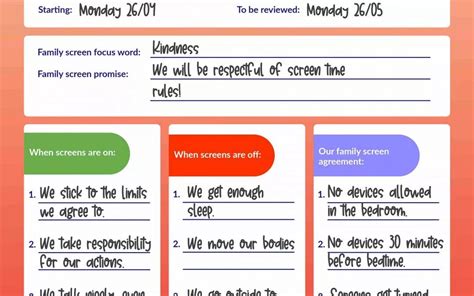
The first step to effective screen time management is to set clear boundaries. Involve your children in the process of creating these rules. When kids have a say, they are more likely to understand and adhere to the guidelines. Discuss how much gaming time is appropriate per day or week, what times are off-limits (e.g., during meals, before bedtime, before homework), and what tasks need to be completed before gaming is allowed.
- Daily Limits: Decide on a reasonable daily allowance (e.g., 1-2 hours for younger kids, slightly more for older teens).
- Time Blocks: Instead of a continuous block, consider breaking up gaming time into shorter segments.
- No-Go Zones: Designate screen-free times and areas, such as the dinner table or bedrooms after a certain hour.

2. Utilize Technology and Tools
Parental control features and apps can be incredibly helpful in enforcing screen time limits. Most gaming consoles, PCs, and mobile devices offer built-in parental controls that allow you to set time limits, filter content, and even schedule playtimes. Explore third-party apps designed specifically for screen time management, which can provide more detailed reporting and control.
- Console/Device Settings: Learn and activate the parental controls on your child’s gaming devices.
- Screen Time Apps: Consider apps like Google Family Link, Apple Screen Time, or specialized parental control software that work across multiple devices.
- Router Controls: Some home routers allow you to pause internet access for specific devices at scheduled times.

3. Encourage Alternative Activities
Kids are less likely to resist limits on gaming if they have exciting alternatives. Proactively suggest and facilitate other activities that foster physical, creative, and social development. This not only reduces screen time but also broadens their horizons.
- Outdoor Play: Plan trips to parks, encourage sports, or simply send them out to play in the yard.
- Creative Hobbies: Introduce them to drawing, painting, music, reading, or building with LEGOs.
- Family Time: Schedule board game nights, family walks, cooking together, or movie nights that don’t involve individual screen use.
- Social Engagement: Encourage meet-ups with friends that don’t revolve around screens.

4. Lead by Example and Stay Involved
Children are keen observers. Your own screen habits significantly influence theirs. Be mindful of your phone, TV, and gaming usage, especially when interacting with your kids. Furthermore, showing interest in their gaming world can strengthen your bond and provide opportunities for discussion.
- Model Good Habits: Put your own phone away during family meals or conversations.
- Play Together: Occasionally join them in their games to understand their appeal and share a positive experience.
- Discuss Content: Talk about the games they play, the stories, and the strategies. This helps you monitor content and engage in their interests.
- Review and Adjust: Regularly revisit your screen time rules as your children grow and their needs change. Be flexible but firm.
Conclusion
Managing kids’ daily gaming screen time is an ongoing process that requires patience, consistency, and open communication. By setting clear boundaries, leveraging available tools, promoting diverse activities, and modeling responsible tech use, parents can guide their children toward a healthy and balanced relationship with technology. The goal isn’t to eliminate gaming but to integrate it mindfully into a rich and varied childhood.