




Best structure for a game’s beginner guide to avoid overwhelming new players?

Creating a beginner’s guide for a video game can be a double-edged sword. While essential for onboarding new players, a poorly structured guide can quickly become an overwhelming wall of text, leading to frustration and early abandonment. The key lies in strategic information delivery, presenting concepts in digestible chunks when they are most relevant.
Why Traditional Guides Overwhelm New Players
Many guides fall into the trap of trying to explain everything upfront. They dump an entire game’s mechanics, lore, and advanced strategies on someone who hasn’t even learned to move their character yet. This “information overload” can shut down a player’s engagement, making the game feel like a chore before they’ve had a chance to enjoy it.
New players need a clear path, not a labyrinth. They require immediate gratification and a sense of accomplishment, built upon a foundation of understanding the absolute essentials.

The Phased Approach: Guiding, Not Dumping
The most effective beginner guides adopt a phased, progressive structure. Think of it as teaching a new language: you start with basic greetings and simple sentences, not complex grammar and literary analysis.
Phase 1: The Absolute Essentials (Immediate Playability)
This phase focuses on getting the player into the game and performing their first basic actions. It should be minimal, interactive, and directly tied to what they see on screen.
- Installation & Setup: Quick checks, settings recommendations (performance vs. visuals).
- Basic Controls: Movement, camera, primary interaction (e.g., click to attack, open inventory). Keep it to 3-5 crucial actions.
- Understanding the HUD (Heads-Up Display): Explain only the most critical elements: health, stamina, current objective, map (if basic).
- Your First Objective: Give them a simple, achievable goal immediately. A “tutorial quest” is perfect.
- The Core Loop (Simplified): Introduce the very basic ‘do X to get Y’ loop without getting into advanced variations.

Phase 2: Expanding Horizons (Early Game Mechanics)
Once the player understands how to move, look around, and complete a very basic task, they’re ready for the next layer of complexity. This phase introduces mechanics that become relevant within the first hour or two of gameplay.
- Basic Inventory & Equipment: How to open, equip, and use simple items.
- Core Combat/Interaction: Expanding on the primary interaction. How to target, use a basic ability, or interact with an object.
- Basic Navigation & Map Usage: More detailed map functions, quest markers, fast travel (if early).
- Simple Progression Systems: What XP means, basic leveling up, or initial skill point allocation.
- Resource Gathering (if applicable): How to collect very common resources.

Phase 3: Deep Dive & Advanced Concepts (Mid to Late Game)
Only after players have a solid grasp of the fundamentals should advanced topics be introduced. This phase can often be linked to in-game progression systems or become external resources.
- Complex Mechanics: Crafting systems, talent trees, advanced combat strategies, economy systems.
- Social & Multiplayer Features: How to invite friends, join guilds, communicate.
- Lore & World Building: Deeper dives into the game’s narrative and history.
- Endgame Content: Raids, competitive play, long-term goals.
- External Resources: Direct players to official wikis, community forums, or YouTube channels for comprehensive, community-driven content.

Best Practices for Guide Presentation
Beyond the structure, how you present the information is equally crucial for avoiding overwhelm.
- Concise Language: Use clear, simple terms. Avoid jargon where possible, or explain it immediately.
- Short Paragraphs & Bullet Points: Break up text. Walls of text are intimidating.
- Visual Aids: Screenshots, mini-maps, highlighted UI elements, and simple diagrams are invaluable. They show, rather than tell.
- Interactive Elements: If the guide is digital, consider animated GIFs or short video clips for complex actions.
- FAQs & Troubleshooting: A small section addressing common early-game questions can preempt frustration.
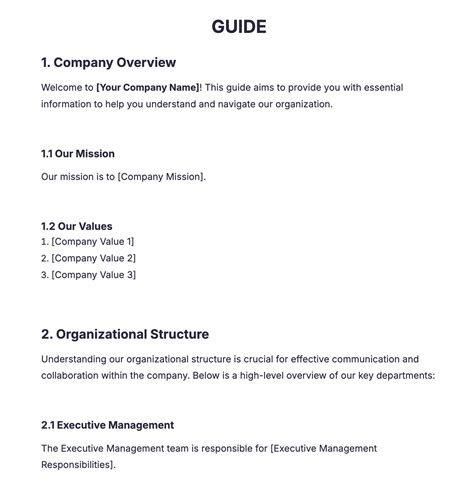
- Accessibility: Ensure the guide is easy to navigate, with a table of contents or clear section headings.
Conclusion
A well-structured beginner’s guide isn’t just about providing information; it’s about curating an experience. By introducing mechanics gradually, prioritizing immediate needs, and presenting content clearly, you empower new players to learn at their own pace. This thoughtful approach transforms potential frustration into early success, fostering a positive initial impression and significantly improving player retention.