




How to simplify complex game mechanics in beginner guides effectively?

For newcomers to a game, dense or intricate mechanics can be an intimidating barrier, often leading to frustration and early abandonment. Crafting effective beginner guides means more than just listing features; it requires a thoughtful approach to breaking down complexity into digestible, understandable segments. This article explores proven strategies for simplifying complex game mechanics, ensuring your guides empower new players rather than overwhelming them.
The Challenge: Overcoming the Learning Curve
Many popular games boast layers of interconnected systems, from intricate combat mechanics and resource management to vast skill trees and progression paths. While these complexities provide depth for experienced players, they can create a steep learning curve for those just starting out. The goal of a beginner guide is to flatten this curve, making the initial experience enjoyable and encouraging continued engagement.

Core Strategies for Effective Simplification
1. Break Down into Bite-Sized Chunks
Instead of presenting an entire system at once, segment it into smaller, manageable parts. Introduce one core concept, explain it fully, and then move to the next. For instance, if explaining a crafting system, first cover how to gather raw materials, then basic crafting, then advanced recipes, rather than detailing everything simultaneously.
2. Start with Foundational Concepts
Identify the absolute prerequisites for understanding any given mechanic. What must a player know before they can grasp the next layer of complexity? Build knowledge progressively, ensuring that each new piece of information has a solid foundation to rest upon. This often means focusing on the ‘why’ before the ‘how’.
3. Employ Analogies and Real-World Examples
Relate unfamiliar game mechanics to concepts players already understand from real life or other games. A complex status effect system might be comparable to different types of diseases, or an inventory management system to organizing a backpack. Analogies bridge the gap between the known and the unknown, making abstract ideas tangible.
4. Utilize Visuals and Step-by-Step Demos
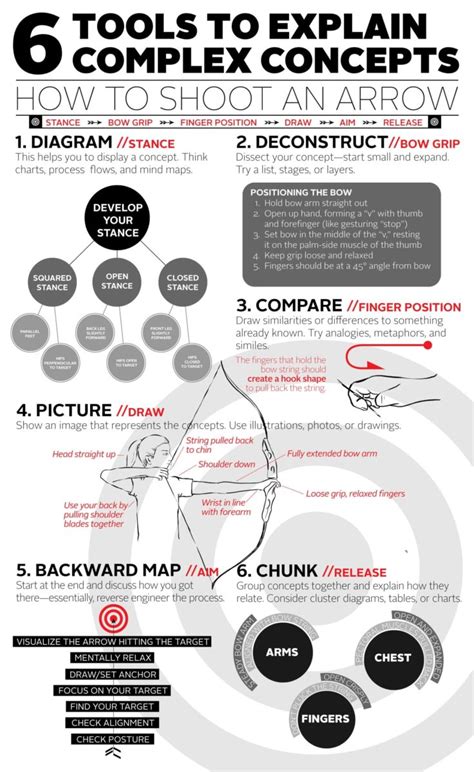
“Show, don’t just tell.” Screenshots, flowcharts, diagrams, and short video clips can dramatically simplify explanations. A visual representation of a skill tree, a combat rotation, or a resource loop is often far more effective than paragraphs of text. Even in text-based guides, describing a sequence of actions step-by-step helps players follow along.
5. Gradual Introduction and Iterative Learning
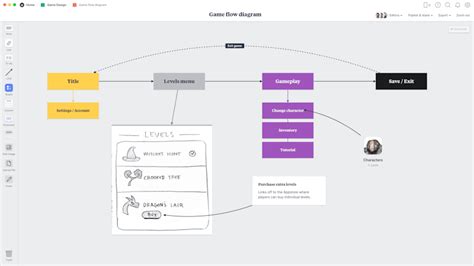
Acknowledge that players won’t master everything immediately. Design guides that introduce mechanics as they become relevant in the game, perhaps by following a natural progression of gameplay. Encourage experimentation and reinforce learning by revisiting core concepts with increasing depth as the player progresses.
Practical Writing Tips for Clarity
1. Use Clear, Concise, and Jargon-Free Language
Avoid game-specific jargon until it has been explicitly defined. When technical terms are necessary, explain them immediately and simply. Use straightforward sentences and active voice to maintain clarity and readability.
2. Structure and Format for Readability
Employ headings, subheadings, bullet points, and numbered lists to break up large blocks of text. Bold key terms and actions. Use consistent formatting to create a predictable and easy-to-navigate guide. A well-structured guide feels less daunting and helps players quickly find the information they need.

3. Test and Iterate with Beginners
The ultimate test of a beginner guide is whether actual beginners can understand and apply its teachings. Have new players read your guide and provide feedback. Observe where they get confused or stuck, and then refine your explanations accordingly. This iterative process is crucial for truly effective simplification.
Conclusion
Simplifying complex game mechanics in beginner guides is an art that blends pedagogy with empathy for the new player experience. By breaking down information, using relatable examples, leveraging visuals, and maintaining clear, structured communication, you can transform intimidating systems into approachable learning opportunities. A well-crafted guide not only teaches but also instills confidence, ensuring more players stick with your game and enjoy its full depth.