


What cozy family games avoid sibling arguments and boost cooperation?

Transforming Game Night: From Rivalry to Rapport
Family game nights are often envisioned as moments of laughter and connection, yet for many households, they can quickly devolve into squabbles over rules, unfair advantages, or perceived slights. Sibling arguments are a common culprit, turning what should be a joyful gathering into a tense battleground. But what if there was a way to steer game night away from competition and towards collaboration? The answer lies in cooperative games.

The Power of Shared Goals
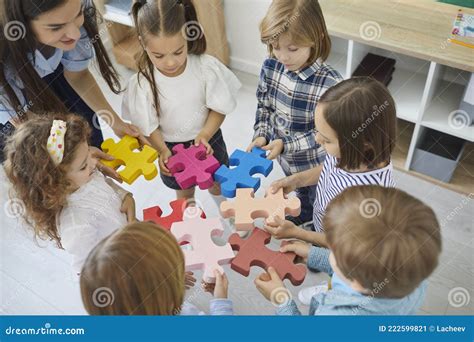
Cooperative games fundamentally shift the dynamic of play. Instead of competing against each other, players work together towards a common objective, battling the game itself rather than their siblings. This shared purpose naturally fosters communication, problem-solving, and mutual support. Children learn to strategize as a team, celebrate collective successes, and overcome challenges together, strengthening their bonds rather than straining them.
This approach isn’t just about avoiding arguments; it’s about actively building crucial social-emotional skills. Kids learn empathy by understanding their teammates’ needs, develop negotiation skills to agree on a plan, and experience the satisfaction of achieving something as a unit. It’s a powerful tool for family cohesion.
Top Cooperative Games for a Harmonious Household
Here are some fantastic cooperative games that promise fun without the sibling rivalry:
- Forbidden Island / Forbidden Desert: (Ages 8+) Players work together to collect treasures and escape an ancient, sinking island or retrieve artifacts from a barren desert before it’s too late. High stakes, strategic thinking, and essential teamwork make these classics.
- Outfoxed!: (Ages 5+) A charming deduction game where players work together to figure out which fox stole the pie before it escapes. It’s excellent for developing critical thinking and collaborative problem-solving in younger children.
- Hoot Owl Hoot!: (Ages 4+) A simple yet engaging game where players help a team of owls fly back to their nest before sunrise. It’s perfect for preschoolers and early elementary kids, teaching color matching and turn-taking in a non-competitive setting.
- Race to the Treasure!: (Ages 5+) Players draw path tiles and work together to create a continuous path to the treasure before the Ogre gets there. It’s a wonderful introductory cooperative game for younger families.
- Pandemic: (Ages 8+) A critically acclaimed game where players are disease-fighting specialists working to cure outbreaks around the globe. While more challenging, it’s a pinnacle of cooperative strategy for older families.

Beyond Board Games: Creative & Team-Based Fun
Cooperation isn’t limited to tabletop games. Many other activities can foster teamwork and creativity:
- Collaborative Storytelling: One person starts a story with a sentence, and each family member adds another sentence, building a narrative together.
- Team Pictionary or Charades: Divide into two teams, but focus more on the fun of guessing and expressing than strictly keeping score. Emphasize helping your team succeed.
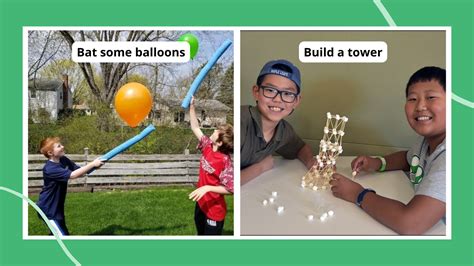
- Shared Building Projects: Challenge the family to build the tallest tower, most elaborate fort, or a specific structure using blocks, LEGOs, or blankets, all working towards a single shared vision.

Tips for a Seamlessly Cooperative Game Night
To maximize the positive impact of cooperative play:
- Set the Tone: Explain before starting that the goal is to work together and have fun, not to win individually.
- Encourage Input from Everyone: Ensure even the quieter family members have a chance to share their ideas and contribute to the strategy.
- Celebrate Collective Efforts: Regardless of whether you ‘win’ or ‘lose’ against the game, acknowledge the team’s effort and good communication.
- Rotate Leadership: For games where a ‘leader’ might naturally emerge, encourage different family members to take the lead in strategy discussion each round or game.
By intentionally choosing games and activities that promote teamwork and shared achievement, families can transform game night into a powerful tool for connection, skill-building, and lasting positive memories, free from the shadow of sibling rivalry.