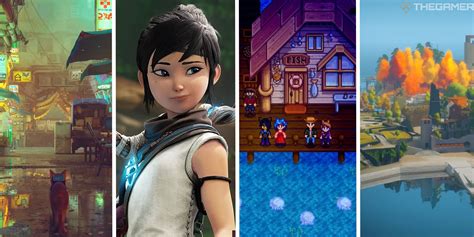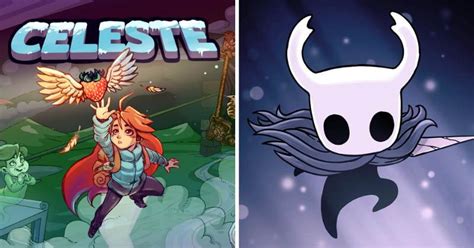





Beyond Steam, where are the best platforms and methods to find truly hidden indie game gems?

While Steam boasts an unparalleled library, its sheer volume can make genuinely obscure and innovative indie titles hard to unearth. For those seeking experiences that haven’t yet graced the front pages or Steam’s popular lists, a world of alternative platforms and proactive discovery methods awaits.

Dedicated Indie Platforms & Storefronts
Moving away from the behemoth that is Steam opens up curated and community-focused environments where smaller developers often thrive.
Itch.io: The Indie Playground
Often considered the purest hub for indie games, Itch.io operates on a ‘pay what you want’ model, offering developers unparalleled control over their page and revenue split. It’s a goldmine for experimental titles, game jam entries, and unique experiences that might not fit traditional molds. Browsing its curated collections, exploring game jam results, or simply filtering by genre can lead to astounding discoveries, many of which are free or extremely affordable.

GOG (Good Old Games): Curated & DRM-Free
While known for classic PC games, GOG has a robust and growing indie section. Their commitment to DRM-free titles and a carefully curated catalog means that the indie games you find here often represent quality and artistic integrity. While not always ‘hidden’ in the same sense as Itch.io’s experimental offerings, GOG is excellent for discovering well-crafted indie titles that might have slipped under your radar on other platforms.
IndieDB: Early Access & Community-Driven
IndieDB serves as a comprehensive database for in-development and released indie games, mods, and news. It’s an excellent place to track games from their early alpha stages, connect directly with developers, and engage with a passionate community. Many projects here are still years away from release, offering a glimpse into future gems before they hit mainstream attention.
Community & Curatorial Discovery Methods
Beyond specific platforms, the community itself is a powerful tool for unearthing hidden gems.
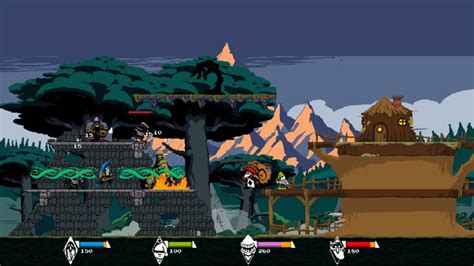
Specialized Blogs, Publications & Newsletters
Many online publications dedicate significant coverage to indie games. Websites like Rock Paper Shotgun, Indie Game Website, and even sections of larger outlets like PC Gamer or Eurogamer often highlight smaller, unique titles. Subscribing to their newsletters or regularly checking their indie sections can provide a steady stream of recommendations.
YouTube & Twitch Niche Channels
Search for YouTubers or Twitch streamers who specifically focus on reviewing, showcasing, or playing obscure, experimental, or ‘zero-viewer’ indie games. These content creators often have a deep passion for the indie scene and actively seek out games that others overlook. Their recommendations can be invaluable.
Reddit & Discord Communities
Subreddits like r/indiegames, r/patientgamers, r/gamingsuggestions, or r/gamedev (for seeing projects in their infancy) are fantastic resources. Discord servers dedicated to specific genres, indie game development, or even specific indie developers are also rich veins for discovery. Engage with these communities, ask for recommendations, and share your own findings.
Direct Developer Engagement & Early Discovery
Game Jams & Development Forums
Participating in or following game jams (often hosted on Itch.io, Ludum Dare, etc.) exposes you to a plethora of unique prototypes and short-form games, many of which can evolve into full projects. Similarly, lurking in game development forums allows you to see projects from their earliest stages.
Crowdfunding Platforms
Platforms like Kickstarter and Fig are excellent for identifying promising indie games long before they are released. By backing a project, you not only support its development but also gain early access, participate in its journey, and often receive exclusive perks. Filtering by ‘games’ and looking for smaller, unique projects can lead to truly groundbreaking discoveries.

Developer Social Media & Websites
Follow indie developers directly on platforms like Twitter, Mastodon, or their personal websites. Many developers share progress updates, concept art, and announce their games long before they hit any major storefront. This direct line of communication can offer an intimate view into the creative process and early access opportunities.
Leveraging Digital Events & Demos
Beyond Steam’s Next Fest, many other digital events and showcases highlight independent games. Keep an eye out for dedicated indie game festivals, online conventions, and publisher showcases that often feature demo events or special sales on upcoming or recently released indie titles. Itch.io also hosts its own frequent game festivals with playable demos.
Finding truly hidden indie game gems is less about passive browsing and more about active exploration. By diversifying your discovery channels and engaging with the vibrant indie game community, you’ll uncover a treasure trove of unique, innovative, and deeply personal experiences that might otherwise remain unseen. The journey itself becomes part of the reward.