




Choosing age-appropriate games: How to use ratings effectively?

Navigating the Digital Playground: Why Age-Appropriate Games Matter
In today’s digital age, video games are an integral part of many children’s lives. While offering entertainment, problem-solving skills, and social interaction, it’s crucial for parents to ensure their children are engaging with content that is suitable for their age and maturity level. Just as you wouldn’t let a toddler watch an R-rated movie, the same principle applies to interactive media. Age-appropriate gaming fosters a healthier developmental environment, protects children from potentially disturbing content, and aligns with family values.
Understanding and utilizing game rating systems effectively is your primary tool in making informed decisions for your household’s gaming habits.

Deciphering the Labels: Major Game Rating Systems Explained
Globally, several prominent organizations are responsible for assigning age and content ratings to video games. The two most widespread are the Entertainment Software Rating Board (ESRB) in North America and the Pan European Game Information (PEGI) system used across Europe. Other systems include CERO in Japan, USK in Germany, and ACB in Australia.
These systems generally operate on a two-pronged approach:
- Age Categories: These are the most visible ratings, indicating the minimum age for which the game is deemed appropriate (e.g., ESRB’s E for Everyone, T for Teen, M for Mature; PEGI’s 3, 7, 12, 16, 18).
- Content Descriptors: These provide specific details about the type of content found within the game that influenced its age rating (e.g., Violence, Language, Sexual Themes, Drug Reference, Online Interactions, In-Game Purchases).
![[HD Video] JYJ – NII Fall Collection 2013 Making Film – [W]Shippers](/images/aHR0cHM6Ly90czIubW0uYmluZy5uZXQvdGg/aWQ9T0lQLktQTVh1WXZ3R0VwLTR0c3JwR1NpR2dBQUFBJnBpZD0xNS4x.webp)
Beyond the Number: What Do Content Descriptors Really Tell You?
While the age rating offers a quick glance, the content descriptors are where the real insight lies. A game rated ‘T for Teen’ by ESRB might have different reasons for that rating than another ‘T’ game. One might contain fantasy violence and mild language, while another might feature suggestive themes and simulated gambling.
Always take a moment to read the full description, often available on the game’s packaging or online store page. This information is crucial for understanding the nuances of the game’s content and deciding if it aligns with your family’s particular sensitivities and rules.

Effective Strategies for Parental Guidance
Simply checking the rating isn’t enough; effective use requires engagement and discussion. Here’s how to integrate ratings into your family’s gaming strategy:
- Educate Yourself: Understand what each rating and descriptor means in detail. Websites like esrb.org and pegi.info offer comprehensive guides.
- Talk to Your Children: Explain why certain games are restricted. Foster an open dialogue about game content, online safety, and responsible gaming habits.
- Play Together: When possible, play games with your children. This gives you firsthand experience with the content and allows for shared entertainment and discussion.
- Consider Individual Maturity: Ratings are guidelines. You know your child best. A particularly sensitive 10-year-old might not be ready for a ‘T for Teen’ game, while a mature 14-year-old might handle an ‘M for Mature’ game with appropriate parental oversight.
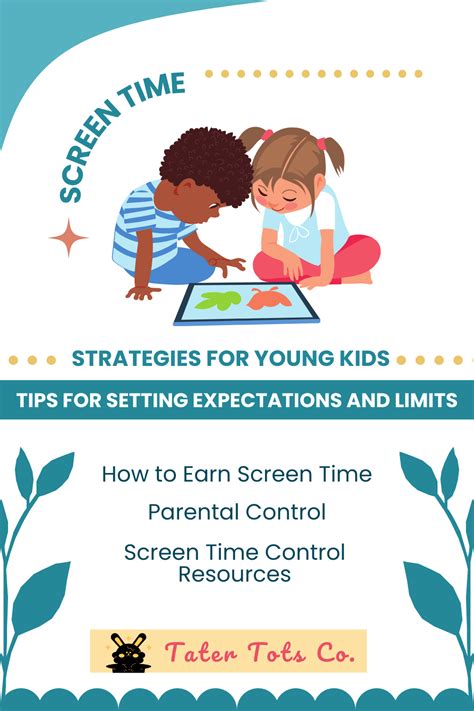
- Utilize Parental Controls: Most gaming consoles, PCs, and mobile devices offer built-in parental controls that allow you to restrict games by rating, manage screen time, and control online interactions and purchases.

Conclusion: Empowering Informed Choices
Game rating systems are powerful tools designed to help parents make informed decisions about their children’s entertainment. By understanding what these ratings signify, looking beyond the age number to the content descriptors, and engaging in open communication with your children, you can create a safe, enriching, and age-appropriate gaming environment for your family. Your proactive involvement is key to harnessing the positive aspects of gaming while mitigating potential risks.