



How can beginner game guides best simplify complex game mechanics for new players?

Entering a new game world can be exhilarating, but it often comes with a steep learning curve. Complex mechanics, intricate systems, and a deluge of information can quickly overwhelm new players, leading to frustration and, potentially, abandonment. The role of a well-crafted beginner’s guide is not just to inform, but to empower, transforming confusion into comprehension. But how can these guides truly excel at simplifying the seemingly impenetrable?

The Challenge of Complexity for New Players
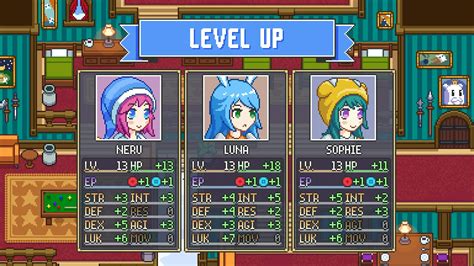
Modern games, especially those in genres like RPGs, strategy games, and MOBAs, often feature layers upon layers of interweaving systems. From combat calculations and crafting trees to economic models and character progression, the sheer volume of data can be daunting. New players lack the context and experience to filter what’s immediately important from what can be learned later. This is where a guide’s ability to simplify becomes paramount.
Strategies for Effective Simplification
1. Use Metaphors and Analogies
One of the most powerful tools for simplification is relating unfamiliar game concepts to real-world ideas or mechanics from other popular games. For example, explaining a game’s ‘aggro’ system by comparing it to a character drawing attention from enemies like a ‘tank’ in an MMO, or describing a crafting system as a ‘recipe book’ where you combine ingredients. These comparisons provide an immediate anchor of understanding.
2. Employ Progressive Revelation
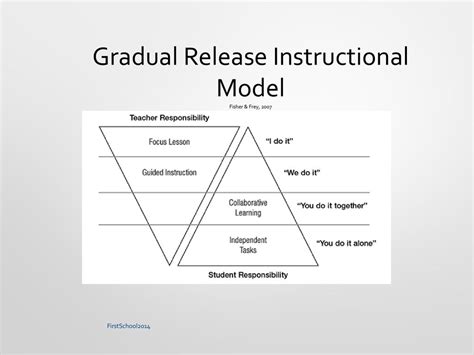
Don’t dump all information at once. Introduce mechanics gradually, much like a good game tutorial. Start with the absolute essentials needed for initial play, then slowly layer on more advanced concepts as the player progresses. Guides should be structured to allow players to return for more in-depth explanations as they encounter new challenges. This prevents cognitive overload.
3. Leverage Visual Aids and Examples
A picture is worth a thousand words, especially when dealing with visual systems like user interfaces, skill trees, or map layouts. Screenshots with clear annotations, flowcharts, diagrams, or even short animated GIFs can convey information far more effectively than dense text blocks. Concrete examples of how a mechanic works in a specific in-game scenario also help solidify understanding.
4. Break Down Information Step-by-Step
For complex processes, a sequential, step-by-step breakdown is crucial. Instead of saying ‘build a base,’ outline each click, each menu navigation, and each resource required. This hand-holding approach for initial tasks builds confidence and familiarizes players with the necessary inputs and sequences before they’re expected to perform them independently.
![350+ Step Pictures [HD] | Download Free Images on Unsplash](/images/aHR0cHM6Ly90czMubW0uYmluZy5uZXQvdGg/aWQ9T0lQLmxWcDVRZ1FMZkdYRnZ3SWp1cjJna3dIYUU4JnBpZD0xNS4x.webp)
5. Encourage Interactive Learning
While a guide is static, it can still encourage interaction. Prompt players to pause and try a mechanic themselves after reading about it. For online guides, links to in-game locations or specific tutorial missions can bridge the gap between reading and doing. The goal is to facilitate learning by experience, not just by rote memorization.
6. Prioritize Core Concepts First
Not all mechanics are equally important at the start. Guides should clearly differentiate between ‘need-to-know’ information (e.g., how to move, attack, heal) and ‘nice-to-know’ information (e.g., advanced theorycrafting, obscure item stats). Focusing on core loop mechanics first ensures players can engage with the game without getting bogged down by minutiae.

7. Address Common Pitfalls Proactively
Anticipate where new players are likely to struggle or make common mistakes. Include dedicated sections on ‘things to avoid,’ ‘frequently asked questions,’ or ‘troubleshooting.’ By addressing these issues before they arise, guides can prevent frustration and keep players engaged.
Best Practices for Guide Writers
Beyond the specific strategies, guide writers should always strive for:
- Clarity and Conciseness: Use simple language, avoid jargon where possible, and get straight to the point.
- Logical Structure: Use headings, subheadings, bullet points, and numbered lists to make the guide easy to scan and navigate.
- Empathy: Remember what it felt like to be a new player. Address their potential frustrations and curiosity.
- Regular Updates: Games evolve. A good guide should be updated to reflect patches, expansions, and meta changes.
Conclusion
Simplifying complex game mechanics for new players is an art form. It requires more than just explaining what a mechanic does; it demands foresight into a new player’s mindset, the strategic use of teaching tools, and a commitment to clarity. By embracing metaphors, progressive learning, visual aids, and interactive prompts, beginner game guides can transform intimidating complexity into accessible fun, ultimately enriching the initial experience and fostering a lasting connection with the game.