



How can I tell if a free-to-play game’s monetization is fair, not predatory?
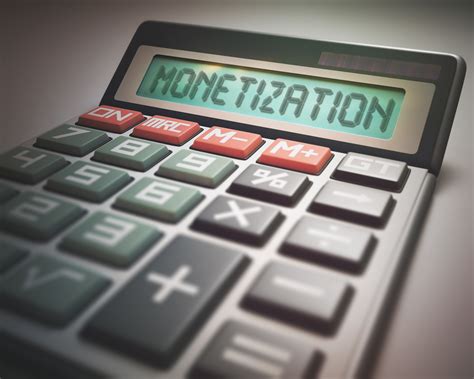
Free-to-play (F2P) games have revolutionized the gaming landscape, offering immediate access to entertainment without an upfront cost. However, their reliance on in-game purchases to generate revenue often raises concerns about fairness. Distinguishing between a fair monetization model and a predatory one is crucial for players looking to enjoy games responsibly and for developers aiming for sustainable, ethical practices.
Understanding Fair Monetization in F2P Games
A fair monetization model enhances the player experience without creating significant disadvantages for non-paying players. It typically focuses on optional purchases that offer convenience, cosmetic customization, or additional content, rather than power. Key characteristics include:
- Optionality: Purchases are never mandatory to enjoy the core game or progress.
- Value for Money: Items or services purchased feel genuinely worth their cost.
- Transparency: Drop rates for random items (like loot boxes) are clearly disclosed, and pricing is straightforward.
- Cosmetic Focus: Monetization primarily revolves around skins, emotes, and other aesthetic enhancements that don’t impact gameplay balance.
- Time-Saving Convenience: Purchases might accelerate progression but never gate it entirely for free players.
Red Flags: Identifying Predatory Monetization
Predatory monetization tactics are designed to exploit psychological vulnerabilities, encourage impulsive spending, and often create an unfair advantage for those who pay. Be wary of games exhibiting these signs:
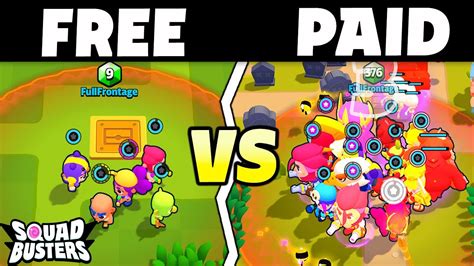
- Pay-to-Win (P2W): Exclusive or significantly more powerful items, characters, or upgrades are locked behind paywalls, giving paying players a distinct gameplay advantage.
- Gambling-like Mechanics (Loot Boxes/Gacha): These systems rely on chance to obtain desired items, often using randomized “pulls” that can be highly addictive and exploit uncertainty.
- Artificial Scarcity & Timers: Creating artificial bottlenecks (e.g., extremely long build times, limited resources) that can only be bypassed by spending money, pressuring players into purchases.
- Aggressive FOMO (Fear Of Missing Out): Constantly bombarding players with limited-time offers, exclusive bundles, or events designed to make them feel like they’ll miss out if they don’t buy immediately.
- Exploitative Pricing: Overpriced items, confusing currency systems designed to obscure real costs, or constant “sales” that aren’t genuine discounts.
- Gating Content: Essential story elements, character classes, or core gameplay features are locked behind payment rather than being accessible through skill or time.
- Energy Systems: Restricting gameplay sessions unless players spend money to refill “energy” or “stamina.”
Practical Steps to Evaluate a Game’s Monetization
As a player, you have the power to identify and avoid predatory practices. Here’s how you can make an informed judgment:
- Research Community Feedback: Check game forums, Reddit, social media, and review sites. Players are usually vocal about unfair monetization.
- Observe In-Game Progression: Play the game for a significant period without spending. Can you reasonably progress and enjoy the core loop? Does it feel like a grind designed to push you towards spending?
- Analyze the Store: What types of items are sold? Are they mostly cosmetics and conveniences, or do they offer significant power advantages? Is the pricing clear?
- Look for Transparency: Are drop rates for random rewards clearly stated? Is the game upfront about what you’re buying?
- Review Developer History: Do the developers have a track record of fair or predatory monetization in their previous titles?
- Consider the “Whale” Factor: Does the game seem designed to extract large sums from a small percentage of players (whales) rather than offer value to a broad player base?
The Psychological Hooks
Predatory monetization often leverages sophisticated psychological principles to encourage spending. This can include loss aversion (the pain of losing something is stronger than the pleasure of gaining it), sunk cost fallacy (continuing to invest because of prior investment), variable ratio reinforcement (like slot machines, where unpredictable rewards keep players engaged), and social pressure (seeing others with premium items). Understanding these tactics can help players resist the urge to spend unnecessarily.
Conclusion
Navigating the world of free-to-play games requires a discerning eye. While F2P models can offer incredible entertainment value, it’s essential to understand the difference between ethical monetization that supports ongoing development and predatory practices that exploit players. By being aware of the red flags and actively evaluating a game’s economic model, you can make informed choices, support developers who prioritize fair play, and ultimately enjoy a healthier gaming experience. Your choices as a consumer directly influence the future of free-to-play gaming.