


Finding fun, fair mobile games: How to spot quality beyond app store hype?

The mobile gaming landscape is vast and ever-growing, offering an incredible variety of experiences from casual puzzles to hardcore RPGs. However, this abundance also presents a challenge: how do you discern truly fun and fair games from the sea of clones, pay-to-win traps, and thinly veiled advertising platforms? App store ratings and glowing reviews often tell only part of the story. To consistently find quality, you need to develop a critical eye that looks beyond the initial hype.
Spotting Deception: Why App Store Ratings Aren’t Enough
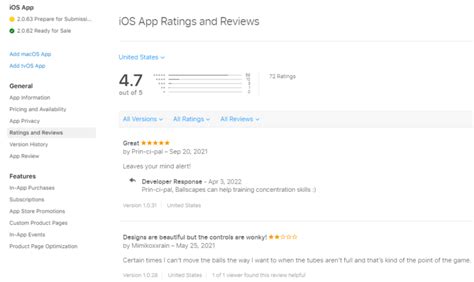
While star ratings and review counts offer a quick glance, they can be misleading. High ratings can sometimes be inflated by early adopters, bots, or even incentivized reviews that don’t reflect the long-term player experience. Similarly, a game with millions of downloads isn’t automatically good; many rely on aggressive advertising to gain initial traction.
Instead of just the average star rating, delve into the actual reviews. Look for detailed comments discussing specific gameplay mechanics, monetization practices, and common issues. Pay attention to recent reviews, as a game’s quality can change significantly over time with updates or developer neglect. Consistency in complaints, even among high ratings, can be a red flag.
Delving Deeper: Developer Reputation and Game History
A strong indicator of a game’s potential quality is the developer behind it. Reputable studios often have a track record of creating well-received games, providing good customer support, and maintaining fair practices. Before downloading, take a moment to research the developer.
Check their other titles. Do they consistently deliver polished experiences? Are their games known for ethical monetization? A developer with a history of releasing high-quality, player-friendly games is far more likely to do so again. Conversely, a studio known for quickly churning out clones or aggressive monetization should make you cautious.
Unmasking Monetization: Free-to-Play vs. Pay-to-Win
The monetization model is perhaps the most critical factor in determining a game’s fairness. Many mobile games are ‘free-to-play’ (F2P), but this can range from entirely cosmetic purchases to aggressive pay-to-win (P2W) schemes that essentially lock progress behind a paywall. Understand the difference.
Fair F2P games offer optional purchases that enhance the experience (e.g., cosmetics, convenience items, battle passes that reward play) without making progress impossible or frustrating for non-paying players. They prioritize skill and time over wallet size.
P2W games, on the other hand, gate essential progression or significant competitive advantages behind spending real money. This creates an uneven playing field and can quickly drain the fun. Look for clues in reviews about forced ads, excessive timers, or the inability to compete without spending.

The Core Experience: Gameplay, Depth, and Fairness
Beyond the surface, the actual gameplay mechanics are paramount. A truly fun and fair game offers engaging core loops, clear objectives, and a sense of progression that feels earned. Look for games that prioritize skillful play, strategic thinking, or genuine creativity over mindless grinding or repetitive tasks.
Consider the depth. Does the game offer enough variety to keep you interested long-term, or does it feel shallow after a few hours? Fair games also respect your time, offering reasonable rewards for effort and not constantly pushing you towards microtransactions to alleviate tedium. If the initial tutorials feel like a chore or the game constantly interrupts you with ads, it’s a sign of a potentially poor experience.

Beyond Launch: Community Engagement and Updates
A good mobile game doesn’t just launch and fade; it evolves. Developers who are committed to their game will typically maintain an active presence, listen to community feedback, and regularly release updates that include bug fixes, new content, and quality-of-life improvements. An active community can also be a valuable resource for gauging the game’s health and developer responsiveness.
Check if the game has official forums, a Discord server, or active social media channels. Are developers communicating with players? Are they addressing concerns? A well-supported game that receives consistent updates is far more likely to remain fun and fair in the long run than one that feels abandoned.

Finding quality mobile games in a crowded market requires patience and a discerning eye. By looking beyond superficial ratings, scrutinizing developer reputation and monetization models, evaluating core gameplay, and considering ongoing support, you can significantly improve your chances of discovering truly fun, fair, and rewarding mobile experiences that are worth your time.