



For new players, what’s the most effective guide element to overcome initial game overwhelm?
The Challenge of Initial Game Overwhelm
Stepping into a new game, especially one with complex mechanics, expansive worlds, or intricate systems, can be an exhilarating yet daunting experience. New players often face a phenomenon known as “initial game overwhelm” – a feeling of being swamped by information, unsure of where to go or what to do, leading to frustration and, often, early abandonment. Overcoming this hurdle is critical for player retention and long-term engagement.
Common Guide Elements and Their Limitations
Game developers employ various guide elements to assist new players. These include static text tutorials, pop-up tooltips, comprehensive in-game encyclopedias, and detailed UI explanations. While each has its place, they often fall short when used in isolation. Static guides can be ignored or quickly forgotten, tooltips can become distracting ‘tooltip hell,’ and overwhelming players with a massive in-game wiki before they’ve even grasped basic movement can be counterproductive. The key is not just providing information, but providing it effectively.

The Power of Interactive, Progressive Onboarding
The most effective guide element to combat initial game overwhelm is a well-designed, interactive, and progressively disclosed tutorial or guided first questline. This approach integrates learning directly into gameplay, allowing players to grasp concepts through hands-on experience rather than passive consumption of information. Instead of a single, lengthy tutorial, it breaks down complex systems into manageable, sequential steps.
Key Components of Effective Progressive Onboarding
- Contextual Learning: Information is presented exactly when and where it’s relevant. For example, a combat mechanic is introduced during the first combat encounter, not in a pre-game menu.
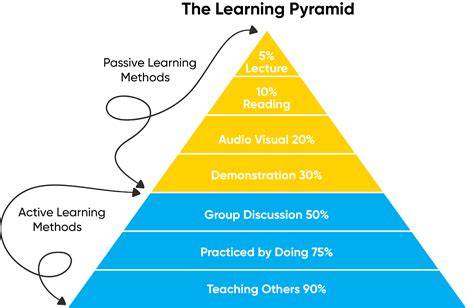
- Learning by Doing: Players are prompted to perform actions themselves. This builds muscle memory and a deeper understanding far more effectively than simply reading instructions.
- Gradual Introduction: Core mechanics are introduced one at a time, building upon previously learned concepts. New systems are unlocked or explained only as the player progresses and is ready for them, avoiding information overload.
- Immediate Feedback: The game provides clear feedback on whether the player successfully performed the required action, reinforcing correct behavior.
- Small, Achievable Goals: Breaking down the onboarding into a series of mini-objectives provides a sense of accomplishment and direction, preventing the player from feeling lost.

Why This Approach Works Best
This interactive, progressive method works because it directly addresses the root causes of overwhelm: cognitive load and a lack of clear direction. By introducing information incrementally and requiring active participation, it keeps players engaged, builds confidence, and fosters a sense of competence from the outset. Players feel empowered rather than intimidated, as they are actively building their skillset within the game world. It transforms the learning process into an integral part of the early game experience itself.
Beyond the First Steps
While the initial guided experience is paramount, its effectiveness is amplified when it smoothly transitions into more independent gameplay. The best onboarding experiences don’t just teach mechanics; they teach players how to learn within the game. This means gradually reducing hand-holding, introducing more complex choices, and making accessible tools (like a searchable codex or contextual help prompts) available for when players seek further information on their own terms.

Conclusion
For new players, the most effective guide element to overcome initial game overwhelm isn’t just a guide, but an immersive, interactive journey. A well-crafted, progressively disclosed tutorial or guided questline that emphasizes learning by doing, provides contextual information, and offers clear, immediate feedback will not only teach players the game’s mechanics but also foster confidence, reduce frustration, and significantly boost player retention. It’s about designing an introduction that feels less like homework and more like the start of a grand adventure.