
How to find F2P games with fair monetization and sustained fun, not predatory gacha?

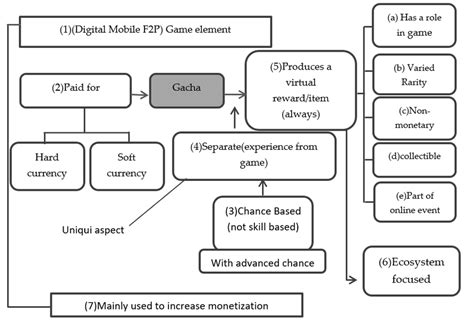
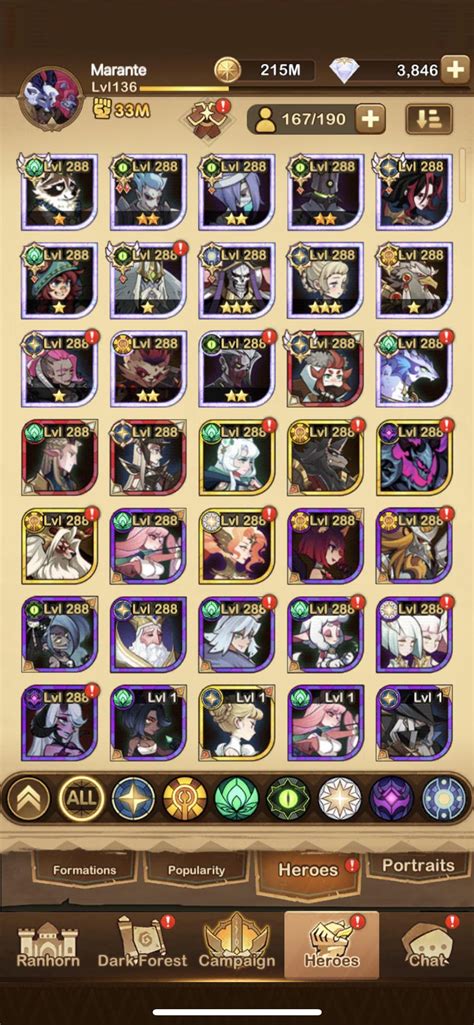
The free-to-play (F2P) model has revolutionized gaming, making titles accessible to millions. However, alongside this accessibility often comes the shadow of predatory monetization, with gacha mechanics being a prime example. These systems, designed to encourage repeated spending through randomized rewards, can quickly turn fun into frustration, and often, an expensive habit. But not all F2P games are created equal. It is entirely possible to find enriching, long-lasting F2P experiences that respect your time and wallet.

Understanding the F2P Landscape: Good vs. Bad
Before diving into how to find the good ones, it’s crucial to distinguish between healthy and unhealthy monetization practices. Predatory gacha often involves:
- High randomness with low pity timers: Making it extremely difficult to get desired items without spending significant amounts.
- Pay-to-win advantages: Offering distinct gameplay benefits that non-spending players cannot easily match.
- Time-gating without clear progression: Forcing players to either wait excessively or pay to advance.
- Constant pressure to spend: Pop-ups, limited-time offers, and psychological triggers designed to compel purchases.
Fair monetization, on the other hand, typically focuses on cosmetics, convenience, or battle passes that reward consistent play rather than pure luck or power.
Red Flags to Watch Out For
When evaluating a new F2P game, keep an eye out for these immediate warning signs:
- Aggressive monetization tutorials: If the game immediately tries to sell you bundles or gacha pulls within the first hour, be wary.
- Energy systems that deplete quickly: While not inherently bad, if you hit an energy wall very early and often, it suggests a pay-to-play structure.
- No clear path to earn premium currency for free: If the premium currency is solely tied to real money purchases, important content might be locked behind a paywall.
- Community outcry: Check forums, Reddit, and reviews for discussions about predatory practices.

Green Lights: Signs of a Good F2P Game
Conversely, here’s what to look for in a fair and fun F2P experience:
- Cosmetic-only monetization: Skins, emotes, and other visual customizations that don’t impact gameplay.
- Battle Pass with clear value: A season pass that offers predictable, worthwhile rewards for playing consistently, often allowing you to earn enough premium currency for the next pass.
- Time-saving purchases (convenience): Options to speed up progress or expand inventory, but never essential for enjoying the core game.
- Generous free rewards: Daily logins, events, and in-game achievements that provide meaningful progress without spending.
- Player-friendly developers: Studios known for listening to feedback and adjusting monetization based on community input.
Where to Find Them: Research and Resources
Finding these gems requires a bit of detective work. Don’t just download and hope; do some preliminary research:
- Read reviews carefully: Look beyond star ratings. Read detailed reviews on app stores, Steam, or gaming websites that discuss monetization.
- Watch gameplay videos: See how the game plays in the mid-to-late game, not just the early tutorial. Look for discussions on item acquisition.
- Consult dedicated F2P communities: Subreddits like r/FreeToPlay or specific game forums often discuss a game’s monetization model extensively.
- Check developer reputation: Some studios have a history of fair F2P games (e.g., Warframe’s Digital Extremes), while others are notorious for aggressive tactics.
- Seek out specific recommendations: Websites and content creators dedicated to ethical F2P gaming often compile lists of recommended titles.

Genres That Often Favor Fair Monetization
While exceptions exist, certain genres tend to lend themselves better to fair F2P models:
- MMORPGs: Many offer a full experience for free, monetizing through expansions, cosmetics, or optional subscriptions. Examples include Guild Wars 2 or Path of Exile.
- MOBAs (Multiplayer Online Battle Arenas): Typically sell champions/heroes or cosmetics. Core gameplay is free and balanced. Think League of Legends or Dota 2.
- Card Games: While some have random packs, many allow you to grind for cards or purchase specific ones, reducing gacha dependency. Hearthstone, Legends of Runeterra, and Magic: The Gathering Arena are good examples.
- Survival/Crafting: Games like Minecraft or Fortnite (which has a Battle Royale mode that is F2P) often monetize through cosmetics or season passes.

Conclusion: Play Smart, Not Pay Hard
Finding F2P games with fair monetization and sustained fun requires vigilance and informed decision-making. By understanding the difference between predatory practices and ethical models, recognizing red flags, and leveraging community knowledge, you can navigate the vast F2P landscape successfully. Don’t settle for games that demand your wallet; seek out those that respect your time, skill, and desire for genuine, uncompromised fun.