



For game how-tos, how to simplify complex mechanics without overwhelming new players?

Mastering the Art of Simplifying Game Mechanics
Introducing new players to a game can be a delicate balance. While the depth of complex mechanics often contributes to a game’s longevity and appeal, throwing all that information at a beginner can be an immediate turn-off. For effective how-to guides, the challenge lies in distilling intricate systems into comprehensible chunks without sacrificing accuracy or overwhelming the reader. This guide will explore proven strategies to achieve just that, ensuring a smoother onboarding experience for every new player.
Foundational Principles for Clarity
The core of simplification begins with a structured approach to information delivery. Resist the urge to explain everything upfront. Instead, prioritize and segment.
Break It Down: Chunking Information
Complex mechanics are often a sum of several smaller, interconnected parts. Identify these sub-mechanics and explain them individually before showing how they fit together. Each ‘chunk’ should be digestible, focusing on one concept at a time. For instance, rather than explaining an entire crafting system, start with gathering materials, then processing, then combining, and finally, advanced recipes.
Start Simple: The Core Loop First
Focus on the absolute minimum information required for a new player to engage with the game’s core loop. What do they need to know to complete their first basic objective? Introduce advanced or optional mechanics only after the player has grasped the fundamentals and experienced initial success.

Leveraging Effective Communication Tools
Beyond breaking down information, how you present it is equally crucial. Visuals, analogies, and a progressive reveal can significantly enhance understanding.
Visuals and Demonstrations
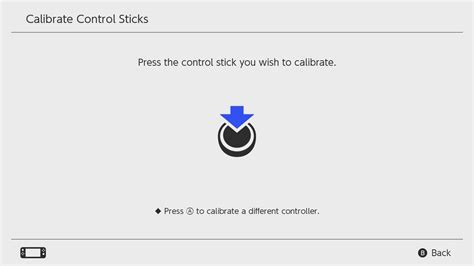
A picture is worth a thousand words, especially in game guides. Use screenshots, diagrams, or short GIF-like descriptions to illustrate mechanics in action. Show the UI elements, the required inputs, and the resulting outputs. Visuals bypass language barriers and make abstract concepts concrete.
Analogies and Metaphors
Relate game mechanics to real-world concepts or mechanics from other popular games. For example, explaining a ‘resource management’ system as similar to balancing a household budget can make it immediately relatable. Ensure the analogies are simple and widely understood to avoid adding another layer of complexity.
Progressive Revelation
Design your how-to guide to mimic a natural learning curve. Introduce mechanics as they become relevant in the player’s journey. Don’t explain endgame mechanics in the very first section. Instead, structure your guide to unlock information as the player progresses through early game content or skill acquisition.

Practical Application and Refinement
Even with good strategies, the practical execution requires attention to detail and a willingness to refine.
Concise Language and Jargon Management
Use clear, direct language. Avoid unnecessary jargon, or if specific game terms are essential, define them clearly and consistently. Short sentences and paragraphs are easier to digest than dense blocks of text.
Interactive Elements (Where Applicable)
While often associated with in-game tutorials, written how-to guides can suggest interactive elements. For example, prompt the reader to try a specific action in the game after explaining it. “Now, open your inventory (I) and try equipping the basic sword.” This encourages active learning.
Testing and Feedback
The best way to know if your guide is effective is to test it. Have actual new players (who know nothing about the game) read your guide and attempt to follow it. Observe where they get confused or stuck. Their feedback is invaluable for identifying areas that still overwhelm or need further simplification.
Avoiding Common Pitfalls
Be mindful of traps that can inadvertently lead to overwhelming new players.
- The Information Dump: Providing too much detail too soon.
- Assuming Prior Knowledge: Expecting players to understand gaming conventions or genre-specific mechanics without explanation.
- Over-explanation of Simple Concepts: While simplification is key, don’t belabor points that are intuitively obvious to most players.
Conclusion: Empowering New Explorers
Simplifying complex game mechanics in how-to guides isn’t about dumbing down the game; it’s about making it accessible. By employing structured chunking, leveraging powerful visuals and analogies, and embracing progressive disclosure, guide creators can empower new players to confidently explore the rich depths of any game. A well-crafted how-to guide doesn’t just explain; it inspires confidence, making the journey from novice to master an enjoyable and rewarding experience.