




How to choose age-appropriate games using ratings and reviews?

Why Age-Appropriate Gaming Matters
In today’s digital age, video games are an integral part of many children’s lives. While they offer numerous benefits, from cognitive development to social interaction, ensuring that games are age-appropriate is crucial for a child’s well-being and development. Exposing children to content that is too mature, violent, or complex can lead to anxiety, confusion, or desensitization. But with thousands of titles released annually, how can parents confidently choose games that are a good fit for their child?
This guide will demystify the process, showing you how to effectively use game rating systems and leverage reviews to make informed choices, fostering a safe and enjoyable gaming environment for your family.
Understanding Game Rating Systems: Your First Line of Defense
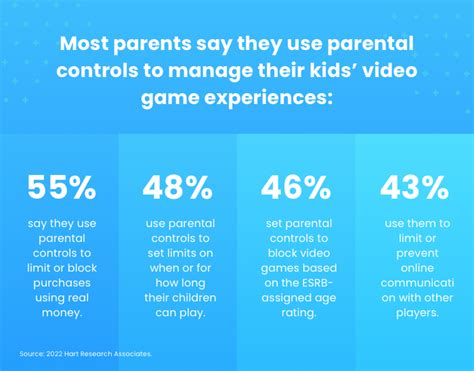
Official game rating systems are designed to provide parents with a quick, standardized way to understand the suitability of a game’s content. The two most prominent systems are ESRB (Entertainment Software Rating Board) in North America and PEGI (Pan European Game Information) in Europe.
ESRB: North American Standard
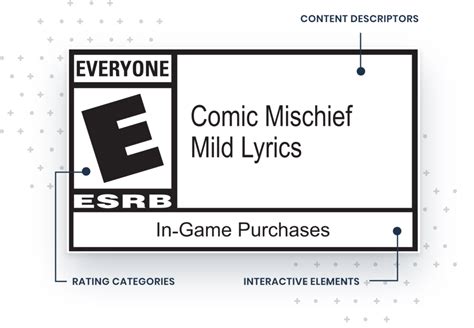
- Rating Categories: ESRB assigns an age rating based on the game’s overall content. Common ratings include:
- E (Everyone): Content is generally suitable for all ages.
- E10+ (Everyone 10+): May contain more cartoon violence, mild language, or suggestive themes.
- T (Teen): Generally suitable for ages 13 and up. May contain violence, suggestive themes, crude humor, minimal blood, simulated gambling, and/or infrequent use of strong language.
- M (Mature): Generally suitable for ages 17 and up. May contain intense violence, blood and gore, sexual content, and/or strong language.
- AO (Adults Only 18+): Exclusively for adults.
- Content Descriptors: Equally important are the content descriptors, which provide specific details about elements that contributed to the rating (e.g., “Fantasy Violence,” “Mild Language,” “Use of Alcohol,” “Simulated Gambling”). Always check these!
PEGI: European Standard
- Age Labels: PEGI uses numerical age labels:
- PEGI 3: Suitable for all age groups.
- PEGI 7: Game content could be disturbing to very young children.
- PEGI 12: May contain non-realistic violence towards fantasy characters, mild sexual innuendo, or bad language.
- PEGI 16: Realistic violence, sexual activity, or promotion of drug use.
- PEGI 18: Adult content, often featuring gross violence, graphic sexual activity, or discrimination.
- Content Descriptors: PEGI also uses specific icons for content (e.g., “Violence,” “Bad Language,” “Fear,” “Sex,” “Drugs,” “Gambling,” “Discrimination,” “Online Purchases”).

How to Use Ratings Effectively
Ratings are powerful tools, but they are a guide, not a substitute for parental judgment. Here’s how to use them effectively:
- Look Beyond the Number: While the age recommendation is a good starting point, the content descriptors are where the real insight lies. A game rated ‘T’ for Teen might be for mild fantasy violence, which could be acceptable for a mature 12-year-old, whereas another ‘T’ game for suggestive themes or strong language might not be.
- Consider Your Child’s Maturity: Every child is different. A 10-year-old might handle certain themes better than another 12-year-old. Trust your instincts and knowledge of your child’s temperament.
- Discuss with Your Child: If your child is asking for a specific game, look up its rating and content descriptors together. This opens a dialogue about responsible gaming and helps them understand why certain games might not be suitable.
Leveraging Reviews for Deeper Insight
While ratings tell you what kind of content is present, reviews tell you how that content is presented and in what context. They offer a qualitative layer to your decision-making.
Professional Reviews
Websites like IGN, GameSpot, Polygon, or Common Sense Media (which specifically focuses on child-appropriateness) provide in-depth analyses. These reviews often cover:
- Gameplay Mechanics: Is it too complex or frustrating for a younger child?
- Narrative Themes: What are the underlying messages? Are there subtle themes that might be missed by rating boards?
- Overall Tone: Is it lighthearted, dark, suspenseful, or educational?
- Parental Concerns: Common Sense Media, in particular, offers detailed breakdowns on violence, language, sexual content, and positive messages.
User Reviews and Gameplay Videos
- Community Feedback: Sites like Metacritic or even the game’s store page often feature user reviews. These can sometimes offer perspectives from other parents or players that resonate with your own concerns.
- YouTube and Twitch: Watching gameplay videos on platforms like YouTube or Twitch is one of the most direct ways to assess a game. You can see the actual graphics, hear the dialogue, and observe the gameplay firsthand, giving you an unfiltered look at the content. Search for “[Game Title] gameplay” or “[Game Title] parent review.”
Beyond Ratings and Reviews: Parental Involvement
Ultimately, the best way to ensure age-appropriate gaming is through active parental involvement.
- Play Together: When possible, play games with your child. This allows you to directly experience the content and engage in shared fun.
- Discuss and Debrief: Talk about the games your child plays. Ask them about the story, characters, and what they like or dislike. This helps you understand their perspective and address any concerns.
- Set Boundaries: Establish clear rules about screen time and what types of games are allowed.
- Trust Your Judgment: Use ratings and reviews as tools, but always make the final decision based on your knowledge of your child and your family values.

Conclusion
Choosing age-appropriate games doesn’t have to be a guessing game. By consistently utilizing official rating systems like ESRB and PEGI, delving into professional and user reviews, and maintaining open communication with your child, you can confidently navigate the gaming landscape. This proactive approach not only protects your child from unsuitable content but also helps them develop critical thinking skills and fosters a healthier relationship with digital entertainment. Empower yourself with information, and make every gaming experience a positive one for your family.