




What specific search strategies or platforms best surface high-quality indie gems?

Navigating the Vast Ocean of Indie Games
The indie game market is a vibrant, ever-expanding universe, brimming with creativity and innovation. However, this abundance also presents a challenge: how does one sift through thousands of titles to find those truly high-quality, memorable hidden gems? While popular games often get the spotlight, many masterpieces remain undiscovered. The secret lies in employing specific search strategies and knowing which platforms best facilitate discovery.
Leveraging Dedicated Digital Storefronts and Their Features
Mainstream digital storefronts are often the first point of contact, but merely browsing their front pages won’t cut it. Each platform offers tools that, when used strategically, can be incredibly powerful for indie discovery.
Steam: Beyond its sheer volume, Steam’s strength lies in its extensive tagging system, user reviews, and curator pages. Dive deep into specific genre tags (e.g., ‘Roguelike Deckbuilder,’ ‘Metroidvania,’ ‘Cozy Sim’) and then filter by ‘User Reviews’ to ‘Very Positive.’ Explore the ‘Upcoming’ and ‘New & Trending’ sections, but pay closer attention to community-driven ‘Curator’ pages that specialize in indie games. Following a few trusted curators can lead to a consistent stream of recommendations.
Itch.io: This platform is a haven for truly experimental and developer-focused indie titles, often featuring games you won’t find anywhere else. It’s more raw, community-driven, and less algorithmically dominated. Look for their bundles, game jams, and browse by ‘Top Sellers’ or ‘New & Popular’ within specific categories. Itch.io often highlights unique, passion-driven projects.
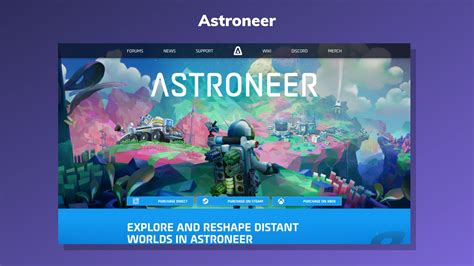
GOG (Good Old Games): While known for classics, GOG also curates a respectable selection of modern indie titles, often with a focus on quality and DRM-free experiences. Their smaller, more hand-picked catalog means a higher signal-to-noise ratio. Similarly, the Epic Games Store, through its regular free game offerings, can sometimes introduce players to lesser-known indie titles and developers.
Community-Driven Discovery Havens
No algorithm can quite match the nuanced recommendations of a passionate human community.
Reddit: Subreddits like r/IndieGaming, r/ShouldIbuythisgame, r/gamingsuggestions, and even genre-specific subs are treasure troves. Users frequently post about hidden gems, ask for recommendations, and engage in discussions that highlight overlooked titles. The upvote system often brings quality content to the forefront.
Discord Servers: Many indie developers run their own Discord servers, offering early insights, beta access, and direct engagement. Beyond that, general gaming Discord communities or those centered around specific game review channels often have dedicated sections for indie game discussion and recommendations.
Gaming Forums & Dedicated Indie Sites: While perhaps less prominent than in their heyday, dedicated gaming forums and websites like Rock Paper Shotgun, Indie Game Website, or even smaller blogs still provide excellent coverage and deep dives into the indie scene.
The Role of Professional and Influencer Curation
Expert opinions, when chosen wisely, can cut through the noise.
Gaming Press & Review Sites: Look beyond the major review outlets that focus heavily on AAA titles. Smaller, independent gaming websites and critics often have a greater affinity for and focus on indie games. Seek out those known for championing innovative or niche titles.
YouTube Channels & Twitch Streamers: A growing number of content creators specialize in indie game discovery. Channels like SplatterCatGaming, ManlyBadassHero (for horror indies), or Angory Tom often feature daily or weekly spotlights on obscure or upcoming indie titles. Twitch streamers, especially those with smaller, more engaged communities, are also great for seeing gameplay of new indies in real-time before committing to a purchase.
Strategic Search and Advanced Filtering Techniques
Don’t just browse; actively search with intent.
Advanced Tag Filtering: On platforms like Steam and Itch.io, combine multiple tags to narrow down your search. For instance, ‘Pixel Art,’ ‘Narrative Rich,’ ‘Exploration,’ and ‘Single Player’ can yield very specific results. Experiment with less common tags to uncover unique experiences.
Following Developers/Publishers: Once you find an indie game you love, research its developer or publisher. Odds are, they have a particular style or philosophy that resonates with you. Follow them on social media, wishlist their upcoming games, or check their back catalog.
Wishlisting and Demos: Keep an eye on upcoming games and add promising ones to your wishlist. Many indie titles offer free demos during Steam Fest or similar events, providing a risk-free way to test the waters.
Embracing the Indie Journey
Ultimately, discovering high-quality indie gems is an iterative process. It involves a multi-pronged approach: actively utilizing the tools offered by storefronts, engaging with passionate communities, trusting informed curators, and employing smart search strategies. The reward—unearthing a unique, unforgettable experience that connects with you on a deeper level—is well worth the effort. Happy hunting!