



What F2P gacha mechanics indicate a fair grind vs. a predatory paywall?
The Fine Line Between Grind and Greed in Gacha
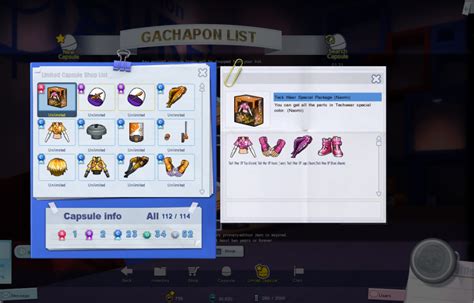
Free-to-Play (F2P) gacha games have become a dominant force in the mobile gaming landscape, offering engaging experiences without an upfront cost. At their core, these games rely on randomized monetization mechanics—the ‘gacha’—where players spend virtual currency (often purchasable with real money) for a chance to acquire desirable in-game items, characters, or upgrades. The success of this model hinges on a delicate balance: providing a satisfying, albeit challenging, ‘grind’ for free players while enticing paying users with valuable shortcuts or exclusive content. However, this balance can easily tip, transforming a fair grind into a predatory paywall that exploits player psychology and financial vulnerability.

Hallmarks of a Fair Grind
A fair gacha system prioritizes long-term player engagement and retention by making progression feel achievable and rewarding, even for those who choose not to spend. Here are key indicators:
- Generous Premium Currency: Players should earn a reasonable amount of premium currency (the gacha pull currency) through regular gameplay, daily quests, events, and story progression, allowing for frequent pulls without spending.
- Clear Progression Paths: There should be alternative, albeit slower, routes to obtain desired characters or items without relying solely on gacha. This might involve crafting, in-game shops with earnable currency, or guaranteed rewards from specific challenges.
- Reasonable Drop Rates with Pity Systems: While gacha is inherently random, transparent and reasonable drop rates are crucial. A ‘pity timer’ or ‘guaranteed pull’ system (e.g., after 100 pulls, you’re guaranteed a rare item) is a gold standard, ensuring players eventually receive a desired reward, mitigating extreme bad luck.
- Accessible Core Content: The main story, events, and core gameplay loops should be fully enjoyable and completable without requiring specific gacha-only units or significant spending. Optimal performance might be gated, but completion shouldn’t be.
- Meaningful F2P Units: The game should provide a roster of free or easily obtainable characters/units that are viable and capable of clearing most content, allowing strategic play to overcome power differences.
- Engaging Events and Updates: Regular, well-designed events that offer substantial rewards, including premium currency or desirable units, keep the player base active and provide clear goals beyond simply pulling gacha.

Red Flags of a Predatory Paywall
Conversely, predatory gacha mechanics are designed to pressure players into spending, often creating frustrating bottlenecks or exploiting psychological triggers. Watch out for these signs:
- Abysmal Drop Rates Without Pity: Extremely low chances of obtaining top-tier items, combined with no pity or a very high, unattainable pity threshold, leave progression almost entirely to chance, forcing endless spending.
- Mandatory Spending for Progress: The game’s core progression, story, or competitive modes become unreasonably difficult or impossible to complete without specific gacha-exclusive units or constant purchases of energy/resources.
- Excessive Time-Gating and Energy Systems: Core gameplay is artificially limited by excessively long timers or restrictive energy systems that can only be bypassed by spending, transforming the game into a waiting simulator for non-spenders.
- Aggressive FOMO (Fear Of Missing Out) Tactics: Constant limited-time banners with overpowered units, exclusive cosmetics, or essential upgrade materials, paired with countdown timers, create immense pressure to spend now or miss out permanently.
- Severe Power Creep: New gacha units consistently and rapidly eclipse older units in power, making previously valuable purchases or hard-earned free units obsolete, pushing players to constantly chase the new meta.
- Fragmented or Multi-Layered Gacha: Instead of pulling for a complete unit, players pull for fragments or components, requiring multiple lucky pulls just to assemble one item, significantly increasing the cost to obtain anything useful.
- Bait-and-Switch Tactics: The initial game experience is generous, luring players in, but generosity dries up significantly in later stages, creating a sudden need to spend to continue enjoying the game.

Player Empowerment and Developer Responsibility
For players, understanding these distinctions is key to making informed choices about their time and money. Researching a game’s monetization model before deep diving, reading reviews, and observing developer communication can provide valuable insight. Recognizing when a game is pushing past a fair grind into predatory territory allows players to disengage and protect themselves from potentially harmful spending habits.
For developers, the responsibility lies in fostering a sustainable and ethical ecosystem. A truly successful F2P gacha game isn’t one that extracts the maximum amount of money from a small segment of ‘whales,’ but one that cultivates a large, engaged player base through fair practices and consistent, quality content. This approach leads to higher player retention, better community sentiment, and ultimately, a more stable and profitable long-term business model.
Conclusion: Sustainable Models for the Future
The F2P gacha genre has immense potential to deliver rich, accessible gaming experiences. The difference between a fair grind and a predatory paywall boils down to respect for the player’s time and money. Games that provide ample opportunities for free progression, offer transparent mechanics, and prioritize engaging gameplay over aggressive monetization are those that build lasting communities and achieve true success. As the industry evolves, both players and developers must continue to advocate for and implement monetization strategies that ensure games remain enjoyable and ethical for everyone.