


F2P Gacha: How to identify true value and avoid predatory spending traps?

Free-to-Play (F2P) gacha games have become a dominant force in the mobile and even PC gaming landscape. They offer engaging experiences at no upfront cost, drawing millions into vast virtual worlds. However, beneath the surface of free access lies a complex monetization model – the gacha system – designed to encourage spending. For many players, especially those new to the genre, navigating this landscape can feel like walking a tightrope between enjoyment and exploitation. Understanding how to identify true value and recognize predatory spending traps is crucial for a healthy gaming experience.
The Allure and The Trap of Gacha Games
Gacha games, named after Japanese toy vending machines, operate on a lottery-like mechanic where players spend virtual currency to receive random in-game items, characters, or resources. The appeal is undeniable: the thrill of the pull, the potential to acquire powerful or rare collectibles, and the constant stream of new content. Developers skillfully leverage these desires, creating systems that keep players engaged and always yearning for ‘just one more pull’.
However, this system is inherently designed to be addictive. Low drop rates for desirable items, combined with the psychological pull of variable-ratio reinforcement (like a slot machine), can lead to impulsive spending. Players might feel compelled to spend money to ‘keep up’ with content, compete effectively, or simply to complete their collection.

Defining “True Value” in a Gacha Ecosystem
In a system designed to extract money, defining “true value” is paramount. It’s not just about what you acquire; it’s about the sustainable enjoyment you derive from the game without financial regret. True value in F2P gacha can be measured by:
- Sustainable Fun: Can you genuinely enjoy the core gameplay loop and progress meaningfully without feeling pressured to spend?
- Long-Term Engagement: Does the game offer enough free content and progression avenues to keep you interested over months or years?
- Community & Social Aspects: Does the game foster a healthy community that enhances your experience, rather than pushing competitive spending?
- Personal Entertainment Per Dollar: If you do spend, are you getting a significant return in terms of enjoyment, rather than just momentary satisfaction? This often means prioritizing permanent content or quality-of-life improvements over temporary power spikes.
Spotting Predatory Spending Traps
Predatory practices are designed to exploit psychological vulnerabilities, leading to overspending. Recognizing these tactics is the first step in avoiding them:
Fear of Missing Out (FOMO): Limited-time banners, seasonal events, or exclusive characters that are only available for a short period create urgency and anxiety, pushing players to spend now or miss out forever.
Sunk Cost Fallacy: The more time and money you invest, the harder it is to walk away. Developers leverage this by constantly introducing new content that makes past investments feel incomplete without further spending.

Disguised Progression Walls: Games might start F2P-friendly but then introduce steep difficulty spikes or grind requirements that are conveniently bypassable with purchases, framed as “convenience” rather than necessity.
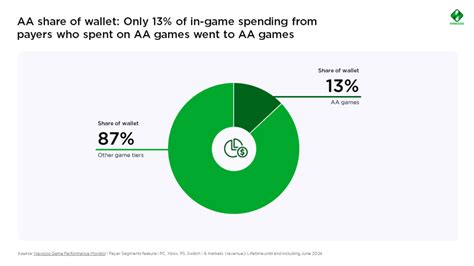
Whale Hunting Tactics: These involve targeting a small percentage of high-spending players (whales) through personalized offers, VIP programs, and exclusive content, often creating an illusion of status or power that encourages further spending.
Obscured Odds & Complex Currency Systems: Gacha rates can be deliberately unclear or hidden behind multiple layers of probability. Furthermore, games often use multiple premium currencies, making it difficult to directly calculate the real-world cost of an item.
Strategies to Navigate and Conquer Gacha Spending
Empower yourself with strategies to ensure gacha games remain a source of entertainment, not financial stress:
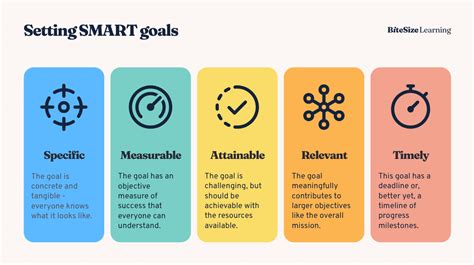
Set a Budget and Stick to It (or Go Strictly F2P): Decide how much, if anything, you are willing to spend each month. Treat it as entertainment money, like a movie ticket. For many, a strict F2P approach is the safest and most rewarding path.

Research Before You Roll: Join community forums, watch content creator reviews, and check future banner schedules. Informed decisions about where to spend your in-game currency (and real money) can drastically improve your efficiency.
Understand Probability, Not Just Hype: A 1% chance is often very low. Don’t be swayed by short bursts of luck or influencer pulls. Focus on the long-term averages and guaranteed pity systems.
Focus on F2P Progression Guides: Many games have dedicated F2P strategies that allow players to clear content and acquire strong teams without spending. Embrace these guides and celebrate incremental progress.

Delay Your Purchases: If you see an attractive offer, wait 24-48 hours before buying. Often, the urge passes, and you realize you don’t truly need it. This helps combat impulsive spending fueled by FOMO.
Recognize Psychological Triggers: Be aware when the game is using tactics like countdown timers, limited stock, or peer pressure from leaderboards. Step back and evaluate if your desire to spend is genuine or manipulated.
Embracing Responsible Gacha Gaming
Ultimately, the goal is to enjoy your games responsibly. Gacha games, when played mindfully, can offer hundreds of hours of entertainment. By understanding the mechanics, recognizing the traps, and employing smart spending habits, you can shift the power dynamic back into your favor. If you find yourself consistently spending more than intended or feeling guilty about purchases, it might be time to take a break or seek external support.

Conclusion
F2P gacha games are a unique blend of entertainment and aggressive monetization. While they offer compelling experiences, players must arm themselves with knowledge and self-awareness to navigate their complex economies. By diligently identifying true value in their gameplay and vigilantly avoiding predatory spending traps, players can ensure that their time in these digital worlds remains enjoyable, sustainable, and financially responsible. Play smart, not hard, and reclaim your power in the gacha universe.