



Specific cozy family game picks that bridge skill gaps between kids & adults?
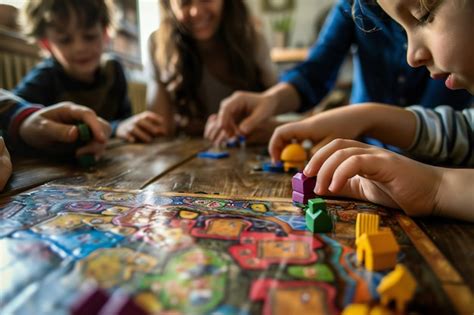
Finding Common Ground: Games for All Ages
One of the enduring challenges of family game night is finding activities that genuinely engage both children and adults. Often, games either bore the grown-ups with their simplicity or overwhelm the kids with complex rules and strategies. The sweet spot lies in “skill gap bridging” games – those cozy, inviting experiences where a child’s creativity or luck can genuinely compete with an adult’s strategic thinking, fostering shared laughter and memorable moments rather than frustration.
These aren’t just games; they’re opportunities for connection, for learning, and for celebrating each other’s unique strengths. The goal is not just to play, but to play together, creating an environment where every player, regardless of age, feels like they have a fair shot at winning and, more importantly, a guaranteed shot at having fun.

Key Mechanics for Bridging the Gap
What makes a game excel at bridging the generational skill gap? Look for titles that incorporate one or more of these elements:
- Cooperative Play: Everyone works together towards a common goal, eliminating direct competition.
- Luck Elements: Dice rolls or card draws can level the playing field, giving kids a chance against more experienced players.
- Simple Rules, Deep Strategy: Easy to learn, difficult to master, allowing different levels of engagement.
- Creativity & Imagination: Games that reward imaginative thinking rather than strict logic.
- Dexterity or Reaction Time: Physical skills can sometimes trump mental prowess.
Our Top Cozy Picks for Skill-Bridging Family Fun
1. Ticket to Ride (or Ticket to Ride: First Journey)
Why it works: Ticket to Ride has beautifully simple rules: collect colored train cards, then claim routes on a map. Adults can strategize for optimal routes, while kids can focus on collecting favorite colors or completing their short destination tickets. The ‘First Journey’ version simplifies it even further for younger players (ages 6+), but the original is still incredibly accessible for families with children aged 8 and up. There’s enough luck in the card draws to keep things exciting, and the joy of seeing your train lines grow across the board is universal.
2. Carcassonne
Why it works: This tile-laying classic invites players to build a medieval landscape, piece by piece. On each turn, you draw a tile and place it, then decide if you want to place a ‘meeple’ (worker) on a city, road, monastery, or field to score points. The rules are straightforward, allowing even younger children (7+) to grasp the core mechanics quickly. Adults might plan complex scoring strategies, but kids often make intuitively good placements or simply enjoy seeing the map grow, often stumbling into surprising points. It’s a game that rewards adaptability and spatial awareness over long-term strategic planning, making it perfect for mixed groups.

3. Dixit
Why it works: Dixit is the ultimate imagination game, where pure creativity reigns supreme. Players take turns being the ‘storyteller,’ choosing one of their beautiful, surreal image cards and coming up with a clue (a word, phrase, song, etc.). Other players then choose a card from their hand that best matches that clue. Everyone votes on which card they think was the storyteller’s. Since there’s no ‘right’ answer, only interpretation, a child’s imaginative clue or card choice is just as valid and often more surprising than an adult’s. It’s a brilliant leveler, focusing on empathy and creativity rather than logic or strategy. Great for ages 8+.
4. Forbidden Island (or Forbidden Desert)
Why it works: These cooperative games put everyone on the same team against the game itself. In Forbidden Island, players work together to collect treasures from a sinking island before it disappears. In Forbidden Desert, it’s about finding parts to an airship in a relentless sandstorm. The rules are relatively simple, and the shared goal means adults can guide younger players without ‘telling them what to do,’ fostering collaboration and problem-solving skills together. Every victory feels like a collective triumph, and every loss is a shared learning experience. Perfect for building teamwork for ages 8+.
5. Sushi Go! (or Sushi Go Party!)
Why it works: Sushi Go! is a fast-paced, adorable card-drafting game perfect for a quick and fun session. Players pass hands of sushi cards around, selecting one to keep each round, trying to collect sets for points. The rules can be explained in minutes, and turns are simultaneous, keeping everyone engaged. While adults might develop subtle strategies for drafting, the game’s light nature and element of luck (what cards are passed to you) means kids often make great tactical decisions and can easily win. It’s an excellent choice for a light, cozy evening. Ages 8+.

Making Game Night a Success
Beyond the game choice, remember that the atmosphere is key. Encourage good sportsmanship, celebrate clever moves from all players, and don’t be afraid to house-rule minor adjustments for younger players if it enhances their enjoyment. The goal isn’t just to play games, but to create cherished family memories, one cozy game night at a time.
Embracing these skill-bridging games allows everyone to participate fully, fostering genuine connections and proving that fun truly has no age limit. So, gather your family, pick a game, and prepare for an evening of shared joy.