



How to find truly free, engaging mobile games? Avoid aggressive ads/P2W.
Navigating the Mobile Gaming Minefield
In the vast ocean of mobile games, finding a truly free and engaging experience without aggressive ads or pay-to-win (P2W) mechanics can feel like an impossible quest. Many games masquerade as ‘free’ only to bombard you with interruptions or demand constant payments to progress. But fear not, discerning gamer; with the right approach, you can unearth those rare gems.
Understanding the ‘Free-to-Play’ Trap
The term ‘free-to-play’ (F2P) often comes with hidden costs. These can manifest as:
- Aggressive Advertisements: Forced video ads, banner ads, and pop-ups that interrupt gameplay and often appear after every action or death.
- Pay-to-Win (P2W): Games designed to make progression incredibly slow, difficult, or impossible without spending real money on in-game items, currency, or power-ups.
- Energy Systems/Timers: Artificial barriers that limit how much you can play unless you pay to refill energy or skip wait times.
Identifying these monetization tactics upfront is key to avoiding frustration.
Deciphering App Store Listings and Reviews
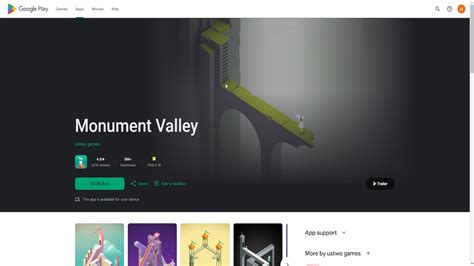
Your first line of defense is a critical examination of the game’s app store page and user reviews.
Scrutinize Descriptions and Screenshots
- Look for keywords like “no ads,” “offline play,” or “complete game.”
- Be wary of descriptions heavily promoting in-game purchases or sales.
- Screenshots can sometimes reveal ad placements, though developers are clever at hiding these.
Read User Reviews Critically
Don’t just look at the star rating. Dive into the actual comments:
- Filter by lowest ratings: These often reveal the most candid complaints about ads, bugs, or P2W.
- Search for keywords: Use terms like “ads,” “pay to win,” “greedy,” “money,” or “offline” within the review section.
- Look for patterns: If multiple users complain about the same issue, it’s a significant red flag.
Key Indicators of Truly Free Games
Some games genuinely offer a complete, enjoyable experience without demanding your wallet or patience.
- One-time Ad Removal Purchase: A game that offers a single, reasonable purchase to remove all ads is often a good sign. It shows the developer values player experience while still seeking a sustainable income.
- Cosmetic-Only Microtransactions: If purchases are purely for aesthetics (skins, emotes, decorations) and don’t impact gameplay, it’s likely a fair system.
- Offline Play Capability: Games that can be played entirely offline often rely less on constant ad delivery and more on core gameplay.
- Indie Developers: Smaller independent studios sometimes prioritize passion and player satisfaction over aggressive monetization.
- Older Premium Games Going Free: Occasionally, a premium title will temporarily or permanently go free. These usually retain their original premium design without modern F2P traps.

Where to Hunt for Mobile Gaming Gems
Beyond the direct app store search, consider these sources:
- Curated Lists & Blogs: Websites and YouTube channels dedicated to mobile gaming often feature lists of truly free or low-monetization games. Search for “best free Android games no ads” or “iOS games no P2W.”
- Reddit Communities: Subreddits like
r/AndroidGaming,r/iosgaming, orr/FreeGamesare excellent places to find recommendations and discussions from fellow players who share your aversion to aggressive monetization. - Specific Genres: Puzzle games, some turn-based RPGs, and classic arcade titles are sometimes less prone to heavy monetization than competitive multiplayer games or resource management titles.

Spotting Red Flags During Gameplay
Even after your initial research, the true nature of a game might only reveal itself after playing for a bit. Watch out for:
- Constant “Special Offers”: Pop-ups pushing limited-time bundles or exclusive deals the moment you open the game.
- Mandatory Video Ads for Basic Actions: Being forced to watch an ad to revive, open a chest, or gain a minor reward.
- Frustrating Difficulty Spikes: Levels that suddenly become incredibly hard, subtly pushing you towards in-app purchases.
- A Second In-Game Currency: Many F2P games have a ‘soft’ currency (earned through play) and a ‘hard’ currency (bought with real money), with the hard currency often being essential for meaningful progression.
If a game constantly makes you feel like you *should* spend money, it’s likely designed to be P2W.

Conclusion
Finding truly free, engaging mobile games requires patience and a critical eye. By understanding common monetization tactics, carefully evaluating app store information and reviews, and knowing where to look for recommendations, you can successfully navigate the crowded mobile landscape. Don’t settle for experiences that demand your wallet or interrupt your fun; there are plenty of genuinely enjoyable games out there waiting to be discovered, completely free of charge and frustration.