



How do we ensure beginner guides for new games don’t overwhelm players?

The Challenge of First Impressions
New games, especially those with complex mechanics, deep lore, or intricate systems, often present a daunting learning curve for newcomers. While comprehensive guides are essential for understanding these complexities, an overly dense or poorly structured guide can quickly overwhelm players, leading to frustration and, ultimately, abandonment. The goal is to onboard players smoothly, making the initial learning experience engaging and manageable rather than a chore.
Strategic Information Delivery
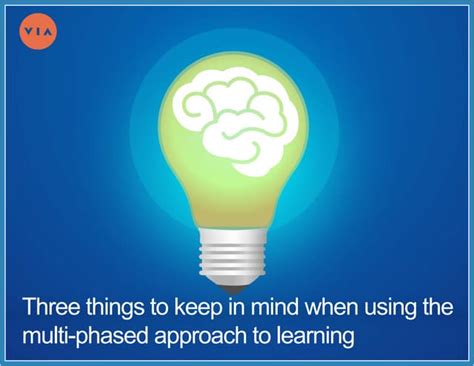
One of the most effective ways to prevent overwhelm is to control the flow of information. Instead of dumping everything on the player at once, guides should adopt a progressive disclosure approach. This means introducing core concepts and essential mechanics first, allowing players to practice and internalize them before moving on to more advanced topics.
Phased Learning and Bite-Sized Chunks
Break down complex systems into smaller, digestible modules. Each module should focus on a single concept or a small group of related ideas. For example, in an RPG, a beginner guide might first cover basic movement and interaction, then combat fundamentals, followed by inventory management, and only later delve into character builds or advanced crafting. This modular approach allows players to learn at their own pace and prevents cognitive overload.
Clarity Through Visuals and Simple Language
Text-heavy guides can be intimidating. Incorporating clear, concise visuals is paramount. Screenshots, diagrams, flowcharts, or even short animated GIFs can illustrate concepts much more effectively than paragraphs of text. Coupled with visual aids, the language used in guides must be straightforward and free of jargon. If technical terms are necessary, they should be introduced gradually and explained thoroughly.
Interactive vs. Passive Learning
While written guides are valuable, integrating interactive tutorials directly into the game can significantly enhance the learning experience. These tutorials allow players to immediately apply what they’re learning in a safe, controlled environment. This hands-on approach reinforces understanding and builds muscle memory, making the learning process more active and less like studying for an exam.

Prioritizing Core Mechanics and Early Successes
Beginner guides should prioritize teaching the core gameplay loop and mechanics that are essential for immediate progression. Players need to feel competent and achieve small successes early on to maintain engagement. Focus on getting them comfortable with the actions they’ll perform most frequently, rather than inundating them with every possible permutation or advanced strategy right away.
Contextual Learning and ‘Just-in-Time’ Information
Providing information contextually can be highly effective. Instead of a single, monolithic guide, consider dynamic hints or pop-ups that appear when a player encounters a new element or mechanic for the first time. This ‘just-in-time’ information ensures relevance and prevents players from having to sift through an entire guide for a specific piece of information when they need it most.

Empowering Player Agency in Learning
Some players prefer to explore and discover on their own, while others want detailed instructions. Offering options for how players engage with learning materials can be beneficial. This could mean providing a comprehensive written guide for those who seek it, alongside an optional interactive tutorial, and even allowing players to skip sections they already understand.
User Testing and Iteration
The true test of a beginner guide’s effectiveness lies in how actual new players interact with it. Conducting user testing with individuals unfamiliar with the game is crucial. Observing where players get stuck, what questions they ask, and what information they struggle to retain can provide invaluable feedback for refining and improving the guide. Iteration based on this feedback ensures the guide evolves to meet player needs effectively.

Conclusion
Creating beginner guides that don’t overwhelm players is an art that balances thoroughness with accessibility. By employing strategies like progressive disclosure, clear visuals, interactive elements, prioritization of core mechanics, contextual information, and continuous iteration based on player feedback, developers and guide writers can transform the often-dreaded learning phase into an enjoyable and empowering introduction to a new gaming experience. A well-crafted beginner guide doesn’t just teach a game; it fosters a welcoming environment for new adventurers.