




Safe gaming: How to choose age-appropriate games for kids?

In today’s digital age, video games are an undeniable part of many children’s lives. While gaming can offer numerous benefits, from problem-solving skills to social interaction, navigating the vast world of available titles can be overwhelming for parents. The key to a healthy gaming experience lies in choosing games that are not just fun, but also age-appropriate, ensuring your child is exposed to content that aligns with their developmental stage and values.
Why Age-Appropriateness Matters
Selecting games suitable for your child’s age goes beyond avoiding mature content. It impacts their cognitive and emotional development. Games designed for older audiences might present themes, mechanics, or emotional complexities that younger children are not equipped to process. Conversely, overly simplistic games can bore older kids. Age-appropriate games provide the right level of challenge, promote positive messages, and avoid unnecessary exposure to violence, mature language, or frightening scenarios.

Understanding Game Rating Systems: Your First Line of Defense
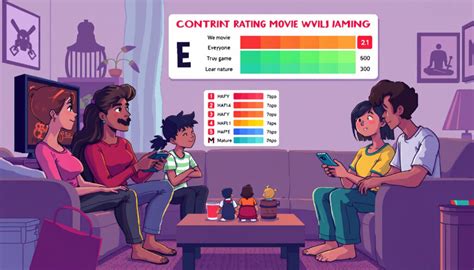
The most straightforward tool for parents is the game rating system. Different regions use different systems, but they all serve a similar purpose: to provide clear guidelines on content suitability.
ESRB (Entertainment Software Rating Board) – North America
- E (Everyone): Content is generally suitable for all ages. May contain minimal cartoon, fantasy or mild violence and/or infrequent use of mild language.
- E10+ (Everyone 10+): Content is generally suitable for ages 10 and up. May contain more cartoon, fantasy or mild violence, mild language, and/or minimal suggestive themes.
- T (Teen): Content is generally suitable for ages 13 and up. May contain violence, suggestive themes, crude humor, minimal blood, simulated gambling and/or infrequent use of strong language.
- M (Mature): Content is generally suitable for ages 17 and up. May contain intense violence, blood and gore, sexual content and/or strong language.
ESRB ratings also include ‘Content Descriptors’ which specify why a game received a particular rating (e.g., ‘Fantasy Violence’, ‘Mild Language’, ‘Use of Alcohol’). Always check these descriptors on the game box or digital storefront.
PEGI (Pan European Game Information) – Europe and Beyond
PEGI uses age categories (3, 7, 12, 16, 18) and content descriptors (Violence, Bad Language, Fear, Sex, Drugs, Discrimination, Gambling, In-Game Purchases). The PEGI 3 rating, for example, means the game is suitable for all age groups and contains no sounds or images that are likely to frighten young children.

Beyond Ratings: Digging Deeper
While rating systems are essential, they are just a starting point. A ‘T’ rated game, for instance, can encompass a wide range of content. Here’s how to go further:
- Read Reviews: Look for reviews from reputable gaming websites and parent communities. These often delve into gameplay mechanics, story themes, and overall suitability in more detail than a rating ever could.
- Watch Gameplay Videos: YouTube and Twitch offer countless gameplay videos. Watching a few minutes of actual gameplay can quickly give you a feel for the game’s pace, visual style, and content.
- Play it Yourself: If possible, play the game for a short period yourself. This is the best way to directly assess if it aligns with your family’s values and your child’s specific sensitivities.
- Talk to Other Parents: Word-of-mouth recommendations from parents you trust can be invaluable.

Considering Your Child’s Unique Personality and Maturity
Every child is different. A 10-year-old might be perfectly capable of handling a game rated E10+ with mild fantasy violence, while another 10-year-old might be sensitive to even cartoon violence. Consider:
- Their Emotional Maturity: How well do they process complex themes or stressful situations?
- Their Interests: What genres do they enjoy? Are there particular themes they are drawn to or actively avoid?
- Past Experiences: How have they reacted to other games or media?

Involving Your Child in the Choice
Empowering your child by involving them in the decision-making process can foster responsibility and open communication. Discuss why certain games might be off-limits and suggest alternatives that offer similar fun in an age-appropriate package. This also teaches them critical thinking about media consumption.
Setting Healthy Boundaries and Monitoring Gameplay
Choosing the right game is just one step. It’s equally important to set clear rules around screen time, monitor their gameplay (especially if they’re playing online with others), and maintain an open dialogue about their gaming experiences. Regularly check in with them about what they’re playing, who they’re playing with, and how they feel about the content.
Conclusion
Navigating the world of children’s video games doesn’t have to be a minefield. By utilizing rating systems, conducting thorough research, considering your child’s individual needs, and fostering open communication, you can ensure their gaming journey is safe, enriching, and ultimately a positive part of their childhood. Remember, the goal is not to eliminate gaming, but to guide it towards healthy and beneficial experiences.